

 Preview
 Send
Send Share
Share
 Details

 Download
 Similars
 X-Ray
X-Ray Diaporama
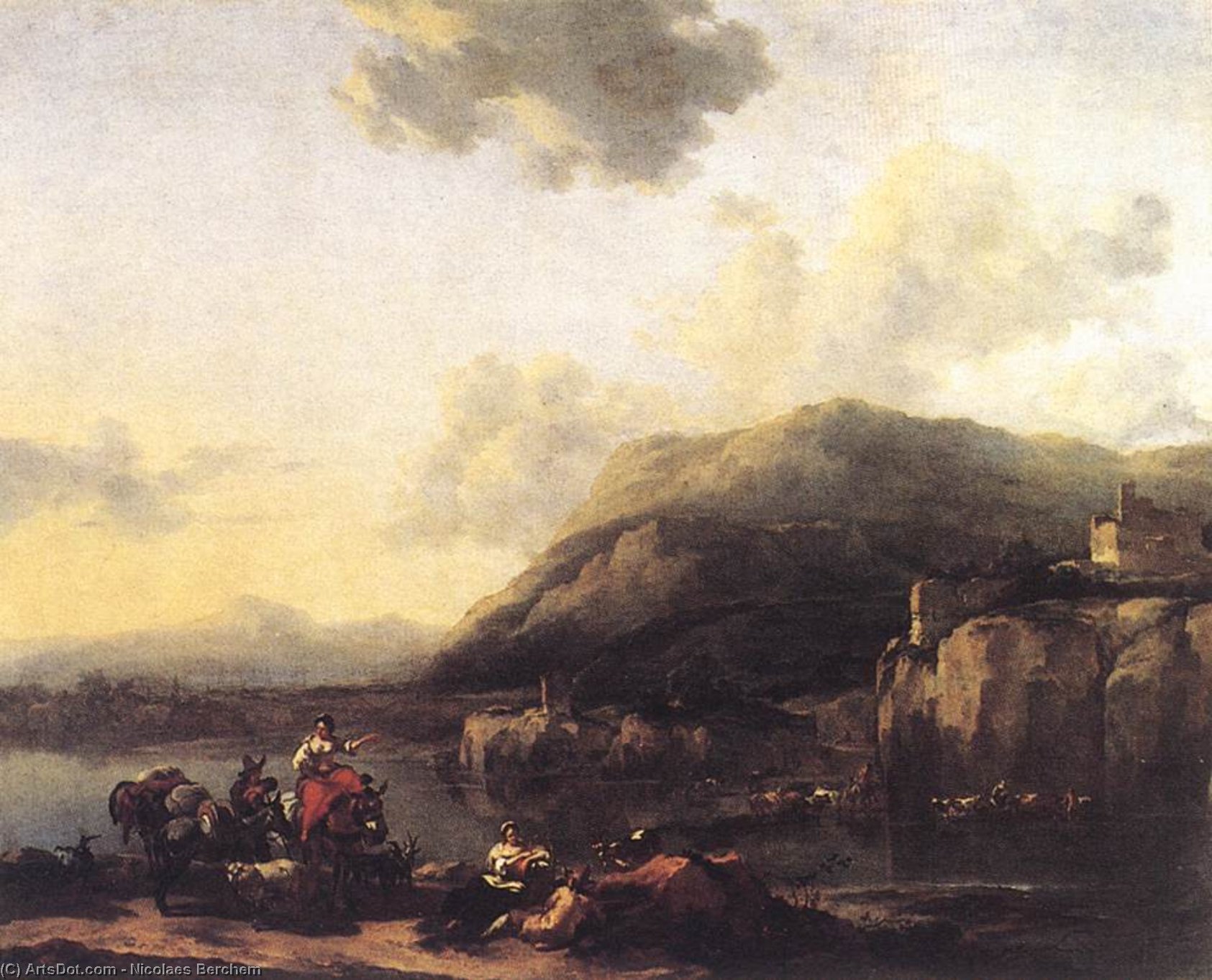
Muleteer by a Ford
 Oil On Canvas
- WallArt
- Dutch Golden Age
 1660
1660- Early Modern
 112.0 x 140.0 cm
 The Louvre
 Read More
Purchase a high-resolution, enhanced digital image, far superior to the online preview.
Each file is meticulously prepared by our in-house specialists using advanced tools and expert manual retouching. We ensure every image has exceptional clarity, precise color accuracy, and fine detail.
The final file is delivered via email within 72 hours, optimized for immediate use in professional, editorial, and print environments. This is the same quality trusted by top-tier design studios, publishers, and galleries.
Digital Image
Download a high-resolution file for personal display, printing, and creative projects. ( Buy Print Buy Hand Made Painting)
Included in Every Digital Image Order
Expert Digital Delivery, Guaranteed
When you choose ArtsDot.com, you're not just getting an image - you're receiving a professionally enhanced digital artwork, crafted with precision and backed by a satisfaction guarantee. Here's everything that comes with your order, automatically:

Fast Email Delivery
Your high-resolution digital image file will be emailed to you within 72 hours of ordering - ready for immediate use.

AI-Enhanced Digital File
Your artwork is professionally optimized using advanced AI tools and manual editing, ensuring maximum detail, clarity, and color accuracy.

Free Lifetime Re-Delivery
Accidentally deleted or lost your file? No worries - we'll resend it to you anytime, free of charge.

No Import Fees - Ever
Enjoy your artwork instantly with zero customs, duties, or delivery fees - digital downloads are always tax-free.

Color Accuracy Guarantee
We ensure your digital image reflects the original colors as closely as possible using professional tools and color management.

60-Day Satisfaction Guarantee
If you're not satisfied with your digital image, we'll revise it or refund 100% within 60 days - no questions asked.

100% Money-Back Guarantee
Not satisfied? Get a full refund within 60 days of receiving your digital file - no questions asked.

Bulk Order Discounts
Buy 3 images, save 10% - Buy 5, save 15% - Buy 10+, save 20%. Great for creative projects, galleries, and agencies.
Collectible Description
A Golden Pastoral Dream: Nicolaes Berchem’s “Multeer by a Ford”
Nicolaes Pietersz Berchem's "Multeer by a Ford," painted in 1660, isn’t merely a landscape; it’s an immersion into the serene heart of the Dutch Golden Age. This captivating scene, now meticulously reproduced on hand-painted canvas for ArtsDot.com, transports us to a world where nature and human interaction intertwine with a profound sense of tranquility. Berchem, a master of atmospheric perspective and evocative detail, skillfully crafted this painting not just as a depiction of a riverbank, but as an orchestrated symphony of light, color, and narrative. The artwork immediately draws the eye with its muted palette – soft blues, greens, and browns dominate, creating a sense of diffused daylight, perhaps hinting at either dawn or dusk. This gentle illumination casts subtle shadows that enhance the depth and realism of the landscape, while simultaneously contributing to the overall feeling of peaceful contemplation.Composition and Technique: A Masterclass in Northern Realism
Berchem’s technical prowess is immediately apparent in the painting's meticulous construction. The horizontal format emphasizes the vastness of the scene, drawing the viewer into a seemingly endless expanse of rolling hills and reflective water. Linear perspective guides our eye through the composition – from the sharply defined mountain range in the background, receding into atmospheric haze, to the carefully rendered figures clustered along the riverbank. The artist’s use of smooth brushstrokes creates a remarkably tactile surface, suggesting both the texture of the earth and the fluidity of the water. Notice how Berchem expertly employs *sfumato*, a technique borrowed from Italian Renaissance masters, to soften edges and create an ethereal quality, particularly in the distant mountains. The painting is executed in oil on canvas, allowing for rich color saturation and subtle gradations – a testament to Berchem’s mastery of his medium.Symbolism and Narrative: A Journey into Pastoral Idyl
Beyond its technical brilliance, “Multeer by a Ford” resonates with symbolic depth. The central figures—a muleteer guiding his animal along the riverbank, accompanied by two women – represent a timeless theme of human interaction with nature. These aren’t grand historical scenes; instead, they depict a quiet moment of respite and travel. The inclusion of Jacob, Rachel, and Leah, biblical figures known for their arduous journey to Canaan, subtly elevates the scene, suggesting a connection between earthly pilgrimage and spiritual quest. The river itself acts as a powerful symbol of transition and renewal, mirroring the sky above and reflecting the surrounding landscape – a visual representation of harmony and balance. Berchem’s ability to imbue a simple pastoral scene with such layered meaning is a hallmark of his artistic vision.Historical Context: Echoes of Italy in the Dutch Golden Age
To fully appreciate “Multeer by a Ford,” it's crucial to understand its place within the broader context of 17th-century Dutch art. Berchem, like many of his contemporaries, was deeply influenced by the Italian Renaissance and Baroque traditions. He traveled to Italy in the early 1640s, immersing himself in the works of artists such as Claude Lorrain and Nicolas Poussin, who had popularized idealized landscapes filled with classical ruins and mythological figures. Berchem skillfully blended these Italian influences with his own Northern realism, creating a unique style characterized by atmospheric perspective, meticulous detail, and an enduring sense of tranquility. His work stands alongside that of Canaletto and other masters of the era, contributing to the rich tapestry of Dutch landscape painting. The reproduction offered by ArtsDot.com allows you to experience this masterful blend of influences firsthand, bringing a touch of Golden Age elegance to your home or office.Related Artworks
Artist Biography
A Golden Light on Pastoral Dreams: The Life and Art of Nicolaes Pietersz Berchem
Nicolaes Pietersz Berchem, a name that resonates with the idyllic landscapes of the Dutch Golden Age, was more than simply a painter; he was an architect of atmosphere, a weaver of dreams bathed in golden light. Born in Haarlem in 1620, his artistic journey unfolded during a period of remarkable transformation for the Netherlands – a time defined by burgeoning trade, scientific curiosity, and a profound appreciation for the natural world. Berchem didn’t merely depict landscapes; he crafted evocative scenes brimming with classical allusion, gentle narratives, and an enduring sense of tranquility that continues to captivate viewers centuries later. His story is one of artistic apprenticeship, Italian inspiration, and ultimately, a lasting legacy as a master of pastoral beauty. The foundations of his skill were laid within his own family, with his father, Pieter Claesz, being a celebrated still-life painter whose influence undoubtedly shaped Nicolaes’ early eye for detail and composition. However, young Nicolaes sought broader instruction, apprenticing under a remarkable succession of Dutch masters: Jan van Goyen, known for his subtle tonal landscapes; Pieter de Grebber, admired for his dynamic compositions; Jan Baptist Weenix, with whom he would later travel to Italy; Jan Wils, and Claes Cornelisz. Moeyaert. These diverse influences provided the bedrock for Berchem’s versatile style, and earned him the affectionate nickname “Berghem,” a playful twist on his family name originating from anecdotes within Van Goyen's workshop – or perhaps linked to his father’s hometown of Berchem near Antwerp – adding a touch of endearing informality to the esteemed artist.The Italianate Awakening
The pivotal moment in Berchem’s artistic development arrived between 1642 and 1645 when he journeyed to Italy alongside Jan Baptist Weenix. This was not merely a geographical relocation, but an immersion into a world that would profoundly shape his aesthetic vision. The Italian landscape, with its rolling hills, ancient ruins, and sun-drenched vistas, ignited a passion within Berchem. He filled sketchbooks with drawings of classical architecture, pastoral scenes, and the vibrant life he encountered, absorbing the romantic spirit of Italy and preparing to translate it onto canvas upon his return to the Netherlands. This experience marked a turning point, shifting his focus towards what would become known as the “Dutch Italianate” style – a genre characterized by idealized depictions of the Italian countryside infused with Northern European realism and meticulous attention to detail. He wasn’t simply copying; he was internalizing the essence of Italy, its light, its atmosphere, and its sense of timeless beauty, ready to reimagine it through his own unique artistic lens.A Prolific Master of Light and Atmosphere
Upon returning to Haarlem, Berchem quickly established himself as a leading figure in the Dutch Italianate landscape tradition. He produced an astonishing number of paintings – estimates range upwards of 850, though many works have been misattributed over time – demonstrating both his prolific output and enduring popularity. His landscapes are instantly recognizable for their warm, golden light, often bathing scenes in the soft glow of dawn or dusk. This luminosity isn’t merely a technical achievement; it imbues his paintings with a sense of tranquility, nostalgia, and timeless beauty. Berchem didn't simply paint what he *saw*; he painted how he *felt* about what he saw, creating an emotional resonance that draws the viewer into the scene. His compositions are carefully balanced, often featuring classical ruins as evocative reminders of the past, alongside figures engaged in pastoral activities – shepherds tending their flocks, travelers resting by a stream, or mythological scenes unfolding amidst idyllic settings. He was also highly sought after for his skill as a *staffage* painter, adding compelling human and animal figures to the works of other artists like Allaert van Everdingen and Gerrit Dou, enhancing their compositions with life and narrative detail. Notable examples include “Hunters Resting,” “A Peasant playing a Hurdy-Gurdy to a Woman and Child”, “Landscape with a Nymph and Satyr” and "The Ford".Legacy and Enduring Influence
Nicolaes Pietersz Berchem’s influence extended far beyond his own prolific career. He was a dedicated teacher, nurturing the talents of numerous artists including Abraham Begeyn, Johannes van der Bent, his son Nicolaes, Isaack Croonenbergh, Simon Dubois, Karel du Jardin, and even potentially Jan Frans Soolmaker. His artistic vision resonated with subsequent generations, notably impacting French Rococo painter Jean-Baptiste Pillement and the Dutch ‘Cleves Romanticism’ landscape painters like Barend Cornelis Koekkoek. He died in Amsterdam in 1683, leaving behind a legacy that continues to illuminate the world of art with its golden light and pastoral dreams. Berchem's contribution lies in his masterful bridging of Northern realism and Southern romanticism. He didn’t merely imitate Italian landscapes; he reinterpreted them through a distinctly Dutch lens, creating a unique style that celebrated both the beauty of nature and the human connection to it. His paintings continue to be admired for their technical skill, evocative atmosphere, and enduring appeal – a testament to his status as a true master of the Dutch Golden Age. His work remains a poignant reminder of a time when art sought not just to represent the world, but to elevate it.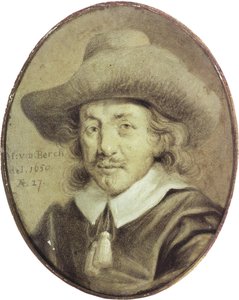
Nicolaes Pietersz Berchem
1620 - 1683 , Netherlands
Quick Facts
- Artistic Movement Or Style: Dutch Italianate
- Artists Or Movements Influenced By This Artist:
- Jean-Baptiste Pillement
- Cleves Romanticism
- Artists Who Influenced This Artist:
- Pieter Claesz
- Jan van Goyen
- Jan Baptist Weenix
- Date Of Birth: 1620
- Date Of Death: 1683
- Full Name: Nicolaes Pietersz Berchem
- Nationality: Dutch
- Notable Artworks:
- Hunters Resting
- A Peasant playing...
- Landscape with a Nymph
- The Ford
- Place Of Birth: Haarlem, Netherlands

