

 Preview
 Send
Send Share
Share
 Details

 Download
 Similars
 X-Ray
X-Ray Diaporama
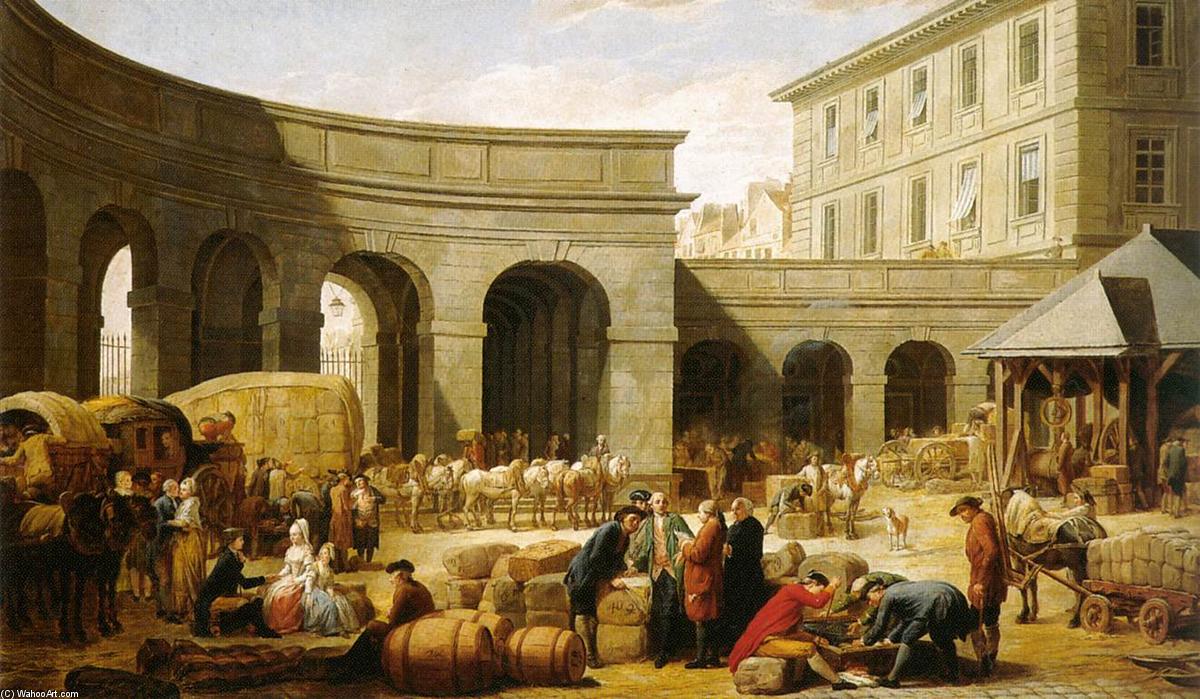
The Courtyard of the Customs House
 1775
1775 98.0 x 164.0 cm
 Museo Thyssen-Bornemisza
 Read More
Purchase a high-resolution, enhanced digital image, far superior to the online preview.
Each file is meticulously prepared by our in-house specialists using advanced tools and expert manual retouching. We ensure every image has exceptional clarity, precise color accuracy, and fine detail.
The final file is delivered via email within 72 hours, optimized for immediate use in professional, editorial, and print environments. This is the same quality trusted by top-tier design studios, publishers, and galleries.
Digital Image
Download a high-resolution file for personal display, printing, and creative projects. ( Buy Print Buy Hand Made Painting)
Included in Every Digital Image Order
Expert Digital Delivery, Guaranteed
When you choose ArtsDot.com, you're not just getting an image - you're receiving a professionally enhanced digital artwork, crafted with precision and backed by a satisfaction guarantee. Here's everything that comes with your order, automatically:

Fast Email Delivery
Your high-resolution digital image file will be emailed to you within 72 hours of ordering - ready for immediate use.

AI-Enhanced Digital File
Your artwork is professionally optimized using advanced AI tools and manual editing, ensuring maximum detail, clarity, and color accuracy.

Free Lifetime Re-Delivery
Accidentally deleted or lost your file? No worries - we'll resend it to you anytime, free of charge.

No Import Fees - Ever
Enjoy your artwork instantly with zero customs, duties, or delivery fees - digital downloads are always tax-free.

Color Accuracy Guarantee
We ensure your digital image reflects the original colors as closely as possible using professional tools and color management.

60-Day Satisfaction Guarantee
If you're not satisfied with your digital image, we'll revise it or refund 100% within 60 days - no questions asked.

100% Money-Back Guarantee
Not satisfied? Get a full refund within 60 days of receiving your digital file - no questions asked.

Bulk Order Discounts
Buy 3 images, save 10% - Buy 5, save 15% - Buy 10+, save 20%. Great for creative projects, galleries, and agencies.
Related Artworks








Artist Biography
A Life in Paint: The World of Nicolas Bernard Lépicié
Nicolas Bernard Lépicié, born into a Parisian family steeped in the art of engraving in 1735, emerged as a significant voice within the evolving landscape of 18th-century French painting. His life coincided with a period of artistic transition, moving away from the grandeur of the Baroque and embracing the delicate intimacy of the Rococo while simultaneously foreshadowing the clarity and form that would define the coming Neoclassical era. Though perhaps not as celebrated today as some of his contemporaries like Chardin or Fragonard, Lépicié’s work offers a compelling window into the social customs and domestic life of pre-Revolutionary France, imbued with a sensitivity and technical skill that continues to resonate with viewers. His father, François-Bernard Lépicié, was a respected engraver and historiographer, and his mother, Renée-Élisabeth Marlié, also practiced engraving – providing young Nicolas with an early immersion in the visual arts. This familial foundation undoubtedly shaped his artistic trajectory, though he ultimately found his own distinct path as a painter.Artistic Development and Influences
Lépicié’s artistic journey began with training under Carle Van Loo, a prominent figure of the time, and quickly demonstrated an aptitude for both historical subjects and portraiture. However, it was in the realm of genre painting – scenes depicting everyday life – that he truly excelled. His style is characterized by a delicate touch, meticulous attention to detail, and a warm, naturalistic palette. He possessed a remarkable ability to capture the nuances of ordinary moments, imbuing his canvases with a sense of quiet intimacy and psychological depth. The influence of Jean-Baptiste-Siméon Chardin is readily apparent in Lépicié’s work; both artists shared an interest in depicting humble subjects with dignity and grace. Yet, Lépicié wasn't merely an imitator. He also demonstrated awareness of the more playful Rococo sensibilities found in the works of Fragonard, though he tempered these influences with a growing emphasis on clarity and form – hinting at the Neoclassical aesthetic that would soon dominate French art. Throughout his career, he frequently employed Carle Vernet as a model, highlighting the importance of studio practice and collaborative learning within 18th-century artistic circles.Major Works and Recognition
Lépicié’s oeuvre encompasses a diverse range of subjects, but certain works stand out as exemplars of his skill and vision. Portrait de la famille Leroy (1766), for instance, showcases his talent for portraiture, capturing not only the likenesses of the family members but also their individual personalities and relationships with remarkable sensitivity. His mythological scenes, such as Adonis changé en anémone (c. 1768) and Narcisse (1771), demonstrate his ability to handle complex compositions and allegorical themes with technical proficiency. However, it is perhaps his genre paintings that are most beloved today. Le lever de Fanchon (1773), depicting a young girl awakening, is particularly celebrated for its delicate rendering of light and texture, creating an atmosphere of gentle intimacy. L'intérieur d'une douane (1775) offers a fascinating glimpse into the workings of French society during this period, providing valuable insights into everyday life beyond the aristocratic circles typically depicted in art. A significant milestone in his career came in 1777 with his acceptance into the Royal Academy, solidifying his reputation as a respected artist within the Parisian art world.Legacy and Historical Significance
Nicolas Bernard Lépicié’s contribution to French art lies not only in the beauty and technical skill of his paintings but also in their ability to offer a nuanced portrayal of 18th-century life. His focus on domesticity and intimacy reflects a growing interest in bourgeois values during this period, providing a counterpoint to the grand historical and mythological narratives that often dominated the Salon exhibitions. He died in 1784, just before the tumultuous events of the French Revolution irrevocably altered the course of French art and society. While his name may not be as widely recognized today as those of some of his more famous contemporaries, Lépicié’s work continues to be appreciated for its sensitivity, technical mastery, and evocative depiction of a bygone era. His paintings serve as valuable historical documents, offering insights into the material culture, social customs, and emotional lives of ordinary people in pre-Revolutionary France.- His works are held in major museums such as the Musée du Louvre and the Museo Thyssen-Bornemisza.
- He taught several prominent artists who would go on to shape the Neoclassical movement.
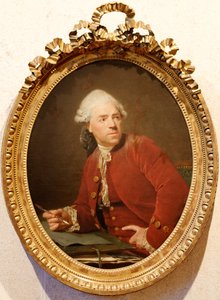
Nicolas Bernard Lépicié
1735 - 1784 , France
Quick Facts
- Artistic Movement Or Style: Rococo, Neoclassical
- Artists Or Movements Influenced By This Artist:
- Vernet
- Regnault
- Danloux
- Artists Who Influenced This Artist:
- Chardin
- Fragonard
- Carle Vanloo
- Date Of Birth: 1735
- Date Of Death: 1784
- Full Name: Nicolas Bernard Lépicié
- Nationality: French
- Notable Artworks:
- Portrait de la famille Leroy
- Adonis changé en anémone
- Narcisse
- Le lever de Fanchon
- L'intérieur d'une douane
- Place Of Birth: Paris, France

