

 Preview
 Send
Send Share
Share
 Details

 Download
 Similars
 X-Ray
X-Ray Diaporama
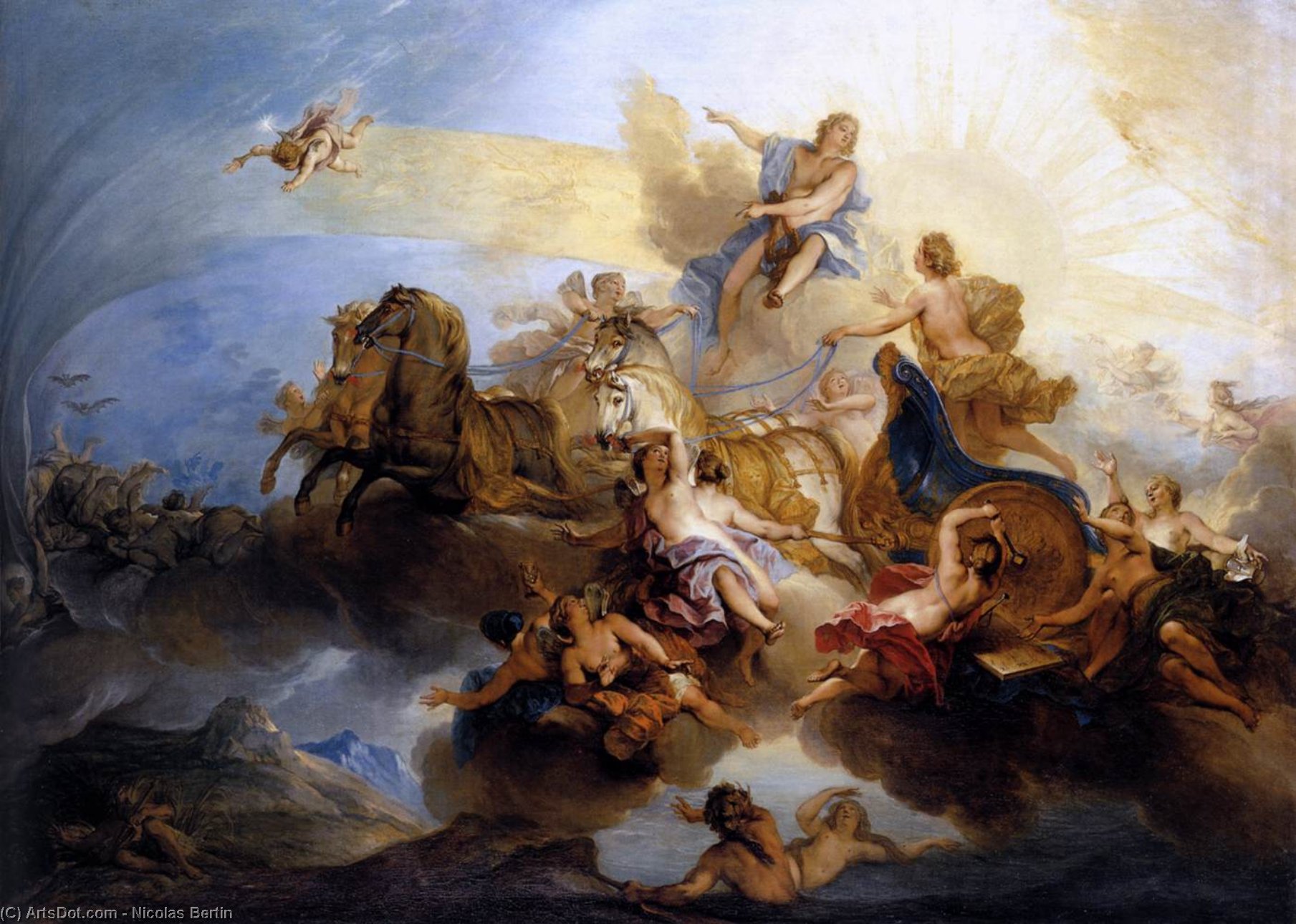
Phaethon on the Chariot of Apollo
 Acrylic On Canvas
- WallArt
- Baroque Ornamentation
 1720
1720 90.0 x 125.0 cm
 The Louvre
 Read More
Purchase a high-resolution, enhanced digital image, far superior to the online preview.
Each file is meticulously prepared by our in-house specialists using advanced tools and expert manual retouching. We ensure every image has exceptional clarity, precise color accuracy, and fine detail.
The final file is delivered via email within 72 hours, optimized for immediate use in professional, editorial, and print environments. This is the same quality trusted by top-tier design studios, publishers, and galleries.
Digital Image
Download a high-resolution file for personal display, printing, and creative projects. ( Buy Print Buy Hand Made Painting)
Included in Every Digital Image Order
Expert Digital Delivery, Guaranteed
When you choose ArtsDot.com, you're not just getting an image - you're receiving a professionally enhanced digital artwork, crafted with precision and backed by a satisfaction guarantee. Here's everything that comes with your order, automatically:

Fast Email Delivery
Your high-resolution digital image file will be emailed to you within 72 hours of ordering - ready for immediate use.

AI-Enhanced Digital File
Your artwork is professionally optimized using advanced AI tools and manual editing, ensuring maximum detail, clarity, and color accuracy.

Free Lifetime Re-Delivery
Accidentally deleted or lost your file? No worries - we'll resend it to you anytime, free of charge.

No Import Fees - Ever
Enjoy your artwork instantly with zero customs, duties, or delivery fees - digital downloads are always tax-free.

Color Accuracy Guarantee
We ensure your digital image reflects the original colors as closely as possible using professional tools and color management.

60-Day Satisfaction Guarantee
If you're not satisfied with your digital image, we'll revise it or refund 100% within 60 days - no questions asked.

100% Money-Back Guarantee
Not satisfied? Get a full refund within 60 days of receiving your digital file - no questions asked.

Bulk Order Discounts
Buy 3 images, save 10% - Buy 5, save 15% - Buy 10+, save 20%. Great for creative projects, galleries, and agencies.
Collectible Description
A Celestial Dance of Myth and Mastery: Nicolas Bertin’s Phaethon on the Chariot of Apollo
Nicolas Bertin's "Phaethon on the Chariot of Apollo," completed in 1720, transcends mere depiction; it embodies a profound engagement with classical mythology and demonstrates remarkable artistic skill. Executed in oil on canvas, this monumental artwork transports viewers into the dramatic realm of Greek legend—specifically, the tale of Phaethon, Helios’s son, who recklessly seized control of his father's chariot and plunged towards Earth, endangering all creation. The painting isn’t simply a narrative illustration; it’s an exploration of divine power, youthful folly, and the precarious balance between order and chaos.Style and Technique: Baroque Elegance Refined
Bertin’s style firmly anchors itself within the Baroque tradition, yet he achieves a sophisticated refinement that distinguishes his work from its more overtly theatrical counterparts. Characteristic of the era is the dynamic composition—the chariot races across the sky, propelled by four muscular horses rendered with meticulous detail and conveying palpable energy. Bertin skillfully employs chiaroscuro – dramatic contrasts between light and dark – to sculpt the figures and create a sense of depth, emphasizing Apollo’s regal presence at the helm and highlighting Phaethon's youthful terror amidst the swirling celestial expanse. The artist’s brushstrokes are confident yet controlled, blending seamlessly to produce an image brimming with movement and luminosity.Historical Context: Rome and Enlightenment Ideals
Created during the reign of Louis XV in France, “Phaethon” reflects the artistic fervor of the Baroque period's waning years and anticipates the burgeoning influence of Enlightenment thought. Bertin’s acceptance into the Académie royale de peinture et de sculpture underscores the importance placed on upholding classical ideals of beauty and grandeur—values championed by figures like Jean Jouvenet, his mentor, who sought to synthesize religious piety with humanist sensibilities. The Prix de Rome, awarded to Bertin in 1685 for “Construction of Noah’s Ark,” exemplifies the patronage system that fueled artistic innovation during this era, ensuring artists received royal support and furthering the dissemination of classical scholarship.Symbolism: Divine Order Versus Impetuous Desire
The painting is laden with symbolic significance. Apollo represents divine authority and reason—forces striving to maintain cosmic order against the disruptive impulse of youthful ambition. Phaethon embodies human fallibility; his reckless disregard for caution foreshadows the consequences of unchecked desire and challenges the established hierarchy of celestial beings. The angels circling Phaethon serve as a visual reminder of divine judgment, suggesting that even the brightest flame can burn out of control. Furthermore, the depiction of birds soaring through the sky symbolizes freedom and aspiration—mirroring Phaethon’s perilous journey toward enlightenment.Emotional Impact: A Vision of Cosmic Drama
“Phaethon on the Chariot of Apollo” captivates viewers with its visceral portrayal of a dramatic confrontation between divine power and human error. Bertin's masterful use of color—primarily blues and golds—creates an atmosphere of majesty and apprehension, drawing the eye into the turbulent sky. The expressive faces of Phaethon and Apollo convey palpable emotion – fear versus regal composure – capturing the essence of the mythic narrative. Ultimately, this artwork invites contemplation on themes of responsibility, hubris, and the enduring fascination with tales of heroic ambition tempered by divine retribution. It remains a testament to Bertin’s artistic prowess and his ability to translate mythological grandeur into a visually stunning masterpiece.Related Artworks
Artist Biography
Early Life and Artistic Foundations
Nicolas Bertin, born in Paris in 1667, emerged from a family steeped in the artistic traditions of late 17th-century France. Though his father was a sculptor who sadly passed away when Nicolas was just four years old, the seeds of creativity were clearly sown early on. His formal training began in 1678 with an apprenticeship under Guy-Louis Vernansal, a respected figure in Parisian artistic circles. This initial grounding proved pivotal, but Bertin’s education didn't stop there; he soon found himself studying under the tutelage of Jean Jouvenet and later Louis Boullongne, both influential painters who would significantly shape his developing style. These masters instilled in him not only technical skill but also a deep appreciation for narrative power and dramatic composition—qualities that would become hallmarks of his own work.The Prix de Rome and Italian Inspiration
Bertin’s talent quickly became apparent, culminating in a remarkable achievement in 1685: winning the prestigious *Prix de Rome* with his painting “Construction of Noah's Ark.” This award was the highest honor an aspiring French artist could receive, granting him the invaluable opportunity to study at the Académie de France in Rome. He arrived in Italy towards the end of that year and remained until the winter of 1688-89, immersing himself in the artistic heritage of the ancient world and the Renaissance masters. During his time abroad, he was profoundly influenced by the works of Raphael, the Carracci family, and Correggio, absorbing their techniques and compositional approaches. Notably, Bertin also participated in a student protest against the teaching methods at the Académie de France, demonstrating an independent spirit that would continue to inform his artistic choices throughout his career.A Rising Star in Parisian Artistic Circles
Upon returning to Paris after a brief sojourn in Lyon, Bertin steadily gained recognition within the French art establishment. He was formally received as a member of the Académie Royale de Peinture et de Sculpture in 1703, presenting “Hercules Delivering Prometheus” as his *morceau de réception*—a work required for full membership. This acceptance solidified his position among the leading painters of his generation and opened doors to important commissions. In 1715, he was appointed a professor at the Académie Royale, further cementing his influence on aspiring artists.Mythological Narratives and Religious Scenes
Bertin’s oeuvre is characterized by a captivating blend of mythological and religious subjects, often rendered with Baroque grace and meticulous detail. Early works like “Mercury Killing Argus” (now lost) reveal the stylistic influences of the Boullogne brothers—graceful figures and clear, Flemish-derived colors. However, Bertin soon began to forge his own path, developing a distinctive approach to storytelling through paint. His paintings of around the turn of the century, such as “Joseph and Potiphar’s Wife” and “Susanna and the Elders,” exemplify this shift. These intimate religious scenes were particularly popular with private collectors, offering ambiguous narratives that allowed for both sacred and secular interpretations. He wasn't merely illustrating biblical tales; he was exploring themes of temptation, desire, and morality with a nuanced sensibility. Other notable works include "The Flight into Egypt" and “Mars and Venus,” each demonstrating his mastery of composition, color, and emotional expression.Legacy and Historical Significance
Nicolas Bertin’s work embodies the transition between the late Baroque period and the emerging Rococo style. While rooted in the dramatic intensity and technical precision of the Baroque, his paintings also exhibit a growing emphasis on elegance, refinement, and narrative depth—qualities that would become central to the Rococo aesthetic. His ability to blend sacred themes with secular undertones appealed to a wide audience, securing him a prominent place among the most sought-after painters in France during his lifetime. Today, Bertin’s paintings are held in major European and American collections, continuing to captivate viewers with their beauty, complexity, and enduring artistic merit. His legacy lies not only in the exquisite quality of his work but also in his ability to capture the spirit of a changing era—a time of both religious devotion and burgeoning secularism.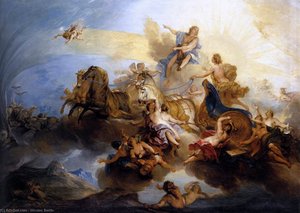
nicolas bertin
1667 - 1736 , France
Quick Facts
- Artistic Movement Or Style: Baroque art
- Artists Who Influenced This Artist:
- Jean Jouvenet
- Louis Boullongne
- Date Of Birth: 1667
- Date Of Death: 1736
- Full Name: Nicolas Bertin
- Nationality: French
- Notable Artworks:
- Joseph and Potiphar’s Wife
- Persée délivrant Andromède
- Saint Philippe baptisant l'eunuque
- Place Of Birth: Paris, France

