 Preview
 Send
Send Share
Share
 Details

 Download
 Similars
 X-Ray
X-Ray Diaporama
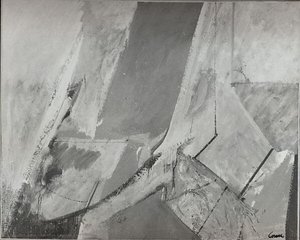
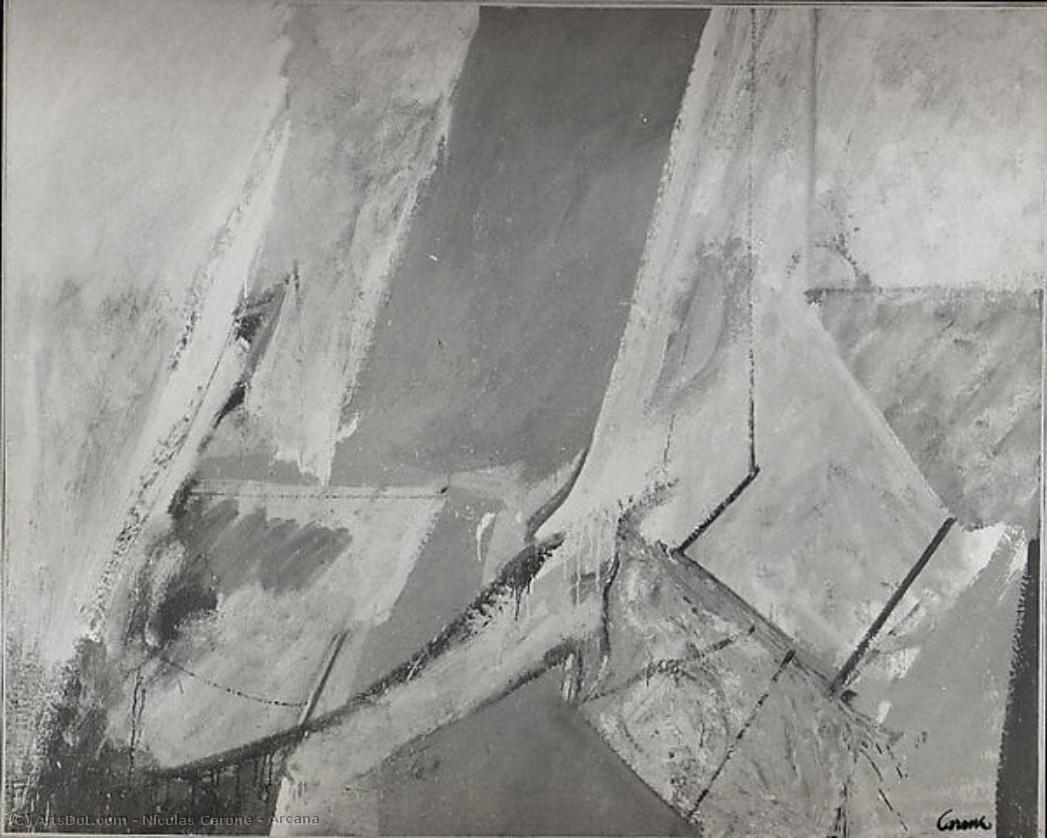
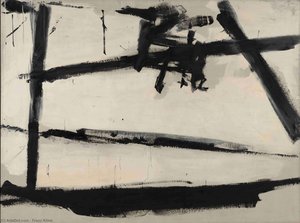
Arcana
 1959
1959 153.0 x 191.0 cm
 Read More
Hand Made Oil Reproduction
Hand-painted oil on canvas in your size and frame, made to order by our artists. ( Buy Print Buy Image)




































Pick from our preset sizes that match the artwork's original proportions.

You may enter your own dimensions to fit a specific frame or space. If your selected size does not match the original image's proportions, we will either crop the artwork or extend the painting with additional hand-painted elements. A digital mockup will be sent for your approval before production begins.
Please note that the on-screen preview does not reflect the actual cropping or extension. Only the mockup will accurately show the final composition.
While custom sizes are available, we recommend selecting a dimension from the predefined list to preserve the original proportions.
After order, ArtsDot.com team will email client for instructions and provide a mockup preview
Worldwide Delivery () in 3/4 weeks instead of standard 5 weeks. (18 August). No compromise on quality.

Free Worldwide Express Shipping

High-Quality Linen Canvas

Full Shipping Insurance

Customs Tax Refund Guarantee

True Color Matching Guarantee

60-Day Return Policy (Defects Only)

100% Money-Back Guarantee

Bulk Discount Offer
 Glass option is only available in size under 110 CM

Arcana
Reproduction Medium
Reproduction Size
-


Total Price
$ 263
Related Artworks
Artist Biography
The Genesis of a New York Visionary
In the vibrant, turbulent landscape of mid-century Manhattan, Nicolas Carone emerged as a vital architect of the New York School, a painter whose work breathed with the raw energy of an era in flux. Born in 1917, Carone’s artistic consciousness was shaped by the very streets that would later become the epicenter of global modernism. His journey began with a precocious talent, embarking on formal studies at the tender age of eleven at the Leonardo da Vinci School. This early immersion in the fundamentals of art provided the bedrock upon which he would later build his complex, layered abstractions. As he matured, Carone sought deeper intellectual and technical rigor, studying under the legendary Hans Hofmann and refining his craft at the National Academy of Design and the Art Students League of New York. These formative years were not merely about learning technique; they were about absorbing the shifting currents of an art world moving away from representation toward a profound exploration of pure form and psychological depth.The Italian Encounter and the Expansion of Spirit
A transformative chapter in Carone’s life unfolded when the Rome Prize beckoned him to the Old World in 1941. This period of immersion in Italian artistic traditions offered a crucial counterpoint to his New York roots. In the quiet, contemplative spaces of Italy, Carone engaged personally with the works and presence of influential masters such as Giorgio Morandi. The delicate, tonal precision of Morandi provided a spiritual anchor, allowing Carone to contemplate the relationship between object and space long before he would translate these concepts into the language of Abstract Expressionism. This international perspective was further solidified by his Fulbright Fellowship in 1949, an opportunity that allowed him to bridge the gap between the classical weight of European tradition and the burgeoning, kinetic energy of American postwar art. It was during this era that his style began to coalesce, moving toward a synthesis of structured composition and spontaneous, gestural movement.The Pulse of Abstract Expressionism
Upon his return to the United States, Carone became an integral figure within the inner circle of the New York School, sharing the stage with luminaries such as Jackson Pollock, Willem de Kooning, and Franz Kline. His friendship with Pollock was more than mere companionship; it was a shared exploration of the subconscious. Drawing heavily from the tenets of Surrealism and the psychological theories of Carl Jung, Carone’s work began to manifest as a labyrinthine dance of color and form. His canvases became arenas for action, where shifting lines and layered brushwork created a sense of rhythmic, organic growth. Unlike the purely gestural approach of some of his peers, Carone maintained a unique preoccupation with the structural integrity of color, ensuring that even his most explosive compositions possessed an underlying architectural grace. This mastery allowed him to navigate the delicate boundary between chaos and order, making him a true pioneer of the movement's stylistic evolution.A Lasting Legacy in Modern Art
The historical significance of Nicolas Carone lies in his ability to harmonize the visceral with the cerebral. His oeuvre, characterized by its complex compositions and evocative use of light, serves as a testament to the enduring power of the Abstract Expressionist movement. Throughout his long and prolific career, his work earned him international acclaim, reaching audiences from London to Paris and securing his place in the most prestigious permanent collections in the world. Today, his artistic legacy is preserved within the halls of:- The Whitney Museum of American Art
- The Metropolitan Museum of Art
- The Hirshhorn Museum and Sculpture Garden
- The Baltimore Museum of Art
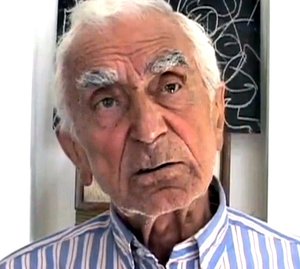
Nicolas Carone
1917 - 2010 , United States of America
Quick Facts
- Artistic Movement Or Style: Abstract Expressionism
- Artists Or Movements Influenced By This Artist: ['Surrealism']
- Artists Who Influenced This Artist:
- Jackson Pollock
- Giorgio Morandi
- Date Of Birth: June 4, 1917
- Date Of Death: July 15, 2010
- Full Name: Nicolas Carone
- Nationality: American
- Notable Artworks:
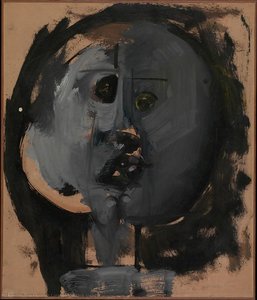
- Untitled (Head)
- Arcana
- Place Of Birth: New York City, United States