 Preview
 Send
Send Share
Share
 Details

 Download
 Similars
 X-Ray
X-Ray Diaporama
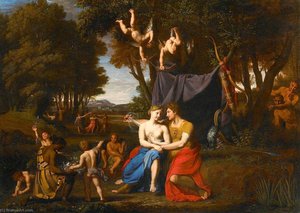
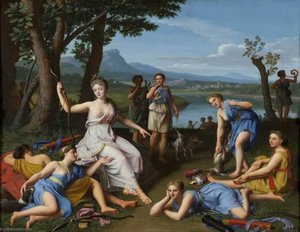
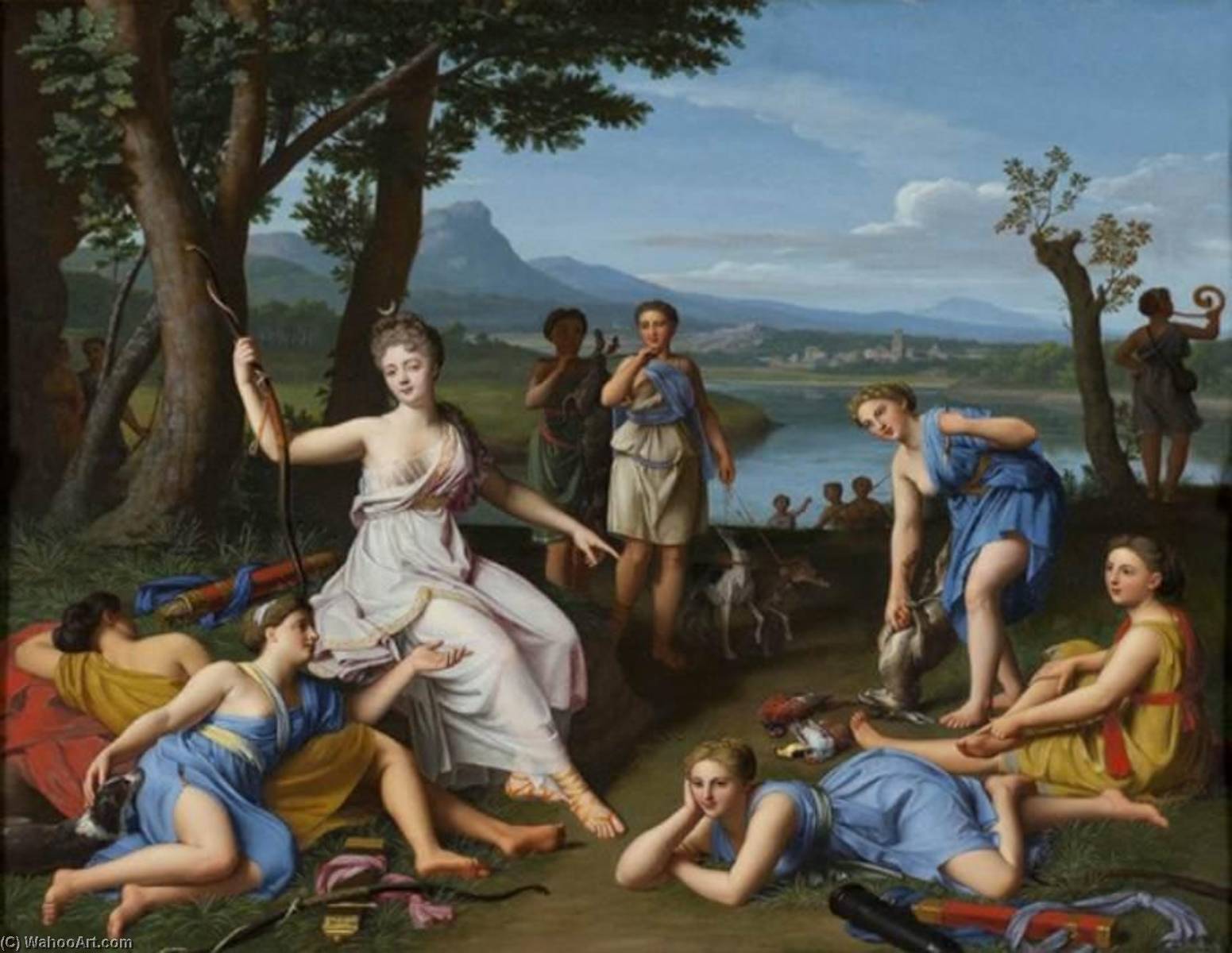
Diana Returning from the Hunt
 1698
1698 66.0 x 81.0 cm
 Read More
Hand Made Oil Reproduction
Hand-painted oil on canvas in your size and frame, made to order by our artists. ( Buy Print Buy Image)




































Pick from our preset sizes that match the artwork's original proportions.

You may enter your own dimensions to fit a specific frame or space. If your selected size does not match the original image's proportions, we will either crop the artwork or extend the painting with additional hand-painted elements. A digital mockup will be sent for your approval before production begins.
Please note that the on-screen preview does not reflect the actual cropping or extension. Only the mockup will accurately show the final composition.
While custom sizes are available, we recommend selecting a dimension from the predefined list to preserve the original proportions.
After order, ArtsDot.com team will email client for instructions and provide a mockup preview
Worldwide Delivery () in 3/4 weeks instead of standard 5 weeks. (17 August). No compromise on quality.

Free Worldwide Express Shipping

High-Quality Linen Canvas

Full Shipping Insurance

Customs Tax Refund Guarantee

True Color Matching Guarantee

60-Day Return Policy (Defects Only)

100% Money-Back Guarantee

Bulk Discount Offer
 Glass option is only available in size under 110 CM

Diana Returning from the Hunt
Reproduction Medium
Reproduction Size
-


Total Price
$ 263
Artwork Description
The Artist and His Style
Nicolas Colombel was a French painter who studied under Eustache Lesueur and later traveled to Rome to discover the works of the great masters, including Raphael and Poussin. His style is characterized by a mix of classicism and colorism, which is evident in Diana Returning from the Hunt. The painting features a beautiful composition, with Diana surrounded by companions and animals, showcasing Colombel's ability to balance disegno and colorito.The Painting's Significance
Diana Returning from the Hunt is part of a group of six paintings that illustrate episodes from the story of Diana the Huntress. The painting was likely presented at the 1699 Salon, where it would have been admired by art enthusiasts and critics alike. Today, the piece is considered a masterpiece of French art and can be found in private collections.- The painting's use of color and composition showcases Colombel's skill as an artist.
- The blend of French and Italian styles makes Diana Returning from the Hunt a unique and captivating piece.
- The painting's history and significance make it a valuable addition to any art collection.
For more information on Nicolas Colombel and his works, visit the Wikipedia page: https://en.wikipedia.org/wiki/Nicolas_Colombel.
Related Artworks
Artist Biography
Nicolas Colombel (1644 – 1717): A Quiet Master of Classicism
Nicolas Colombel (c. 1644 – 1717) was a French painter, profoundly shaped by the artistic vision of Nicolas Poussin and deeply rooted in the Roman School tradition. Though often overshadowed by his more celebrated contemporaries, Colombel’s meticulous craftsmanship and subtle stylistic choices earned him recognition within Parisian artistic circles and secured his place as a significant figure of the Baroque era. His oeuvre reflects an unwavering dedication to idealized beauty and harmonious composition—characteristics that distinguish it from the turbulent expressive tendencies prevalent during his time.Early Life and Artistic Training
Born in Sotteville-les-Rouen, Normandy, Colombel’s formative years were spent under the tutelage of Gilbert de Sève, a prominent artist and director of the Académie Royale in Paris. This influential mentorship instilled in him a foundational understanding of classical principles and established a trajectory toward mastering the techniques demanded by Roman painting. Recognizing his innate talent, Colombel embarked on a pilgrimage to Rome around 1680—a pivotal moment that irrevocably altered his artistic development. There, he immersed himself in the legacy of Raphael and Poussin, meticulously studying their masterpieces and absorbing their stylistic innovations. This immersive experience solidified his commitment to Classicism and cemented his reputation as an artist capable of capturing ethereal grace and serene grandeur.Style and Technique: The Influence of Poussin
Colombel’s artistic style is undeniably indebted to the monumental achievements of Nicolas Poussin, whose influence extended far beyond mere imitation. Like Poussin, Colombel favored a restrained palette—primarily utilizing delicate blues reminiscent of Sassoferrato—to convey profound emotion and spiritual contemplation. His compositions prioritized clarity and order, meticulously arranging figures within carefully delineated landscapes that evoked idealized vistas of antiquity. This stylistic approach distinguishes him from many of his peers who embraced more dramatic gestures and vibrant hues. Colombel’s meticulous brushwork—characterized by smooth surfaces and subtle gradations of color—further enhanced the visual impact of his paintings, creating an atmosphere of luminous serenity and intellectual refinement.Notable Works and Recognition
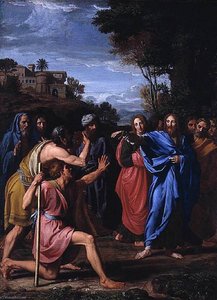
Colombel achieved considerable acclaim during his lifetime, primarily due to two monumental commissions: “Christ Healing the Blind” and “Saint Hyacinth Saving the Statue of the Virgin from the Enemies of the Name of Christ,” both housed in the Art Museum Saint Louis. These paintings exemplify Colombel’s mastery of Classical ideals—particularly the depiction of biblical narratives imbued with moral significance—and demonstrate his ability to elevate visual art into a vehicle for spiritual contemplation. Furthermore, he was admitted into the Académie Royale in 1694 and subsequently appointed professor, securing his position as a respected figure within Parisian artistic discourse. His engravings by Dufloc and Dossier ensured that his images reached a wider audience, perpetuating his legacy beyond the confines of the Salon circuit.Legacy and Critical Assessment
Contemporary critics largely dismissed Colombel’s work as derivative—a mere echo of Poussin’s genius—yet Sir Edmund Head eloquently defended Colombel's artistic integrity, asserting that he possessed “in some sense a master who stood alone among his contemporaries in dignity of feeling, and in the solid character of his art.” More recently, Didier Rykner lauded Colombel’s understated elegance, describing his paintings as “generally easy to recognise” and highlighting their distinctive porcelain colors. While overshadowed by more flamboyant artists of his era, Nicolas Colombel remains a testament to the enduring power of Classicism—a quiet master who achieved remarkable artistic distinction through unwavering devotion to timeless principles of beauty and harmony.- Saint Dominic Presenting the Dominican Order to Christ (Musée des Beaux-Arts Grenoble)
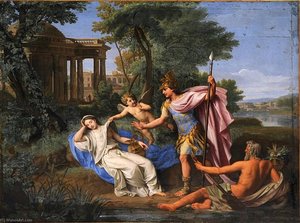
- Mars and Rhea Sylvia
- Christ Healing the Blind Man
- Saint Hyacinth Saving the Statue of the Virgin from the Enemies of the Name of Christ
nicolas colombel
1644 - 1717
Quick Facts
- Artistic Movement Or Style: Classicism
- Artists Or Movements Influenced By This Artist: ['Poussin']
- Artists Who Influenced This Artist:
- Raphael
- Nicolas Poussin
- Date Of Death: 1717
- Full Name: Nicolas Colombel
- Nationality: French
- Notable Artworks:
- Mars and Rhea Sylvia
- Saint Hyacinth Saving the Statue of the Virgin
- Place Of Birth: Sotteville-les-Rouen, Normandy