 Preview
 Send
Send Share
Share
 Details

 Download
 Similars
 X-Ray
X-Ray Diaporama
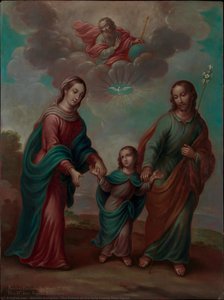
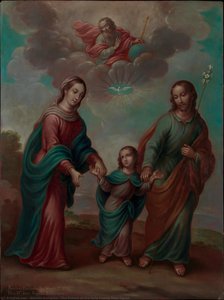
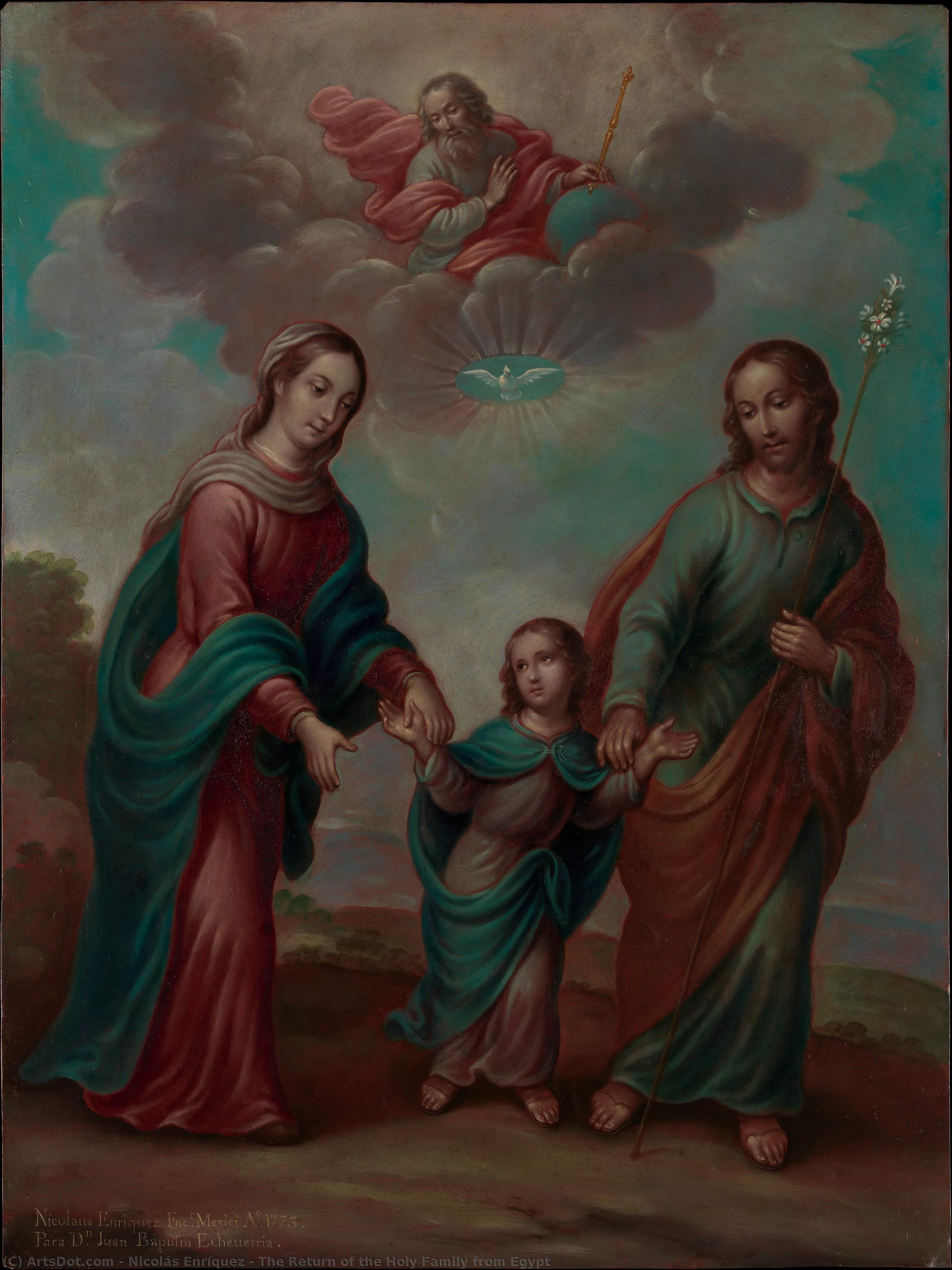
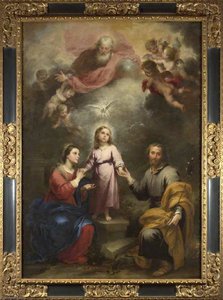
The Return of the Holy Family from Egypt
 1773
1773 64.0 x 50.0 cm
 Metropolitan Museum of Art
 Read More
Hand Made Oil Reproduction
Hand-painted oil on canvas in your size and frame, made to order by our artists. ( Buy Print Buy Image)




































Pick from our preset sizes that match the artwork's original proportions.

You may enter your own dimensions to fit a specific frame or space. If your selected size does not match the original image's proportions, we will either crop the artwork or extend the painting with additional hand-painted elements. A digital mockup will be sent for your approval before production begins.
Please note that the on-screen preview does not reflect the actual cropping or extension. Only the mockup will accurately show the final composition.
While custom sizes are available, we recommend selecting a dimension from the predefined list to preserve the original proportions.
After order, ArtsDot.com team will email client for instructions and provide a mockup preview
Worldwide Delivery () in 3/4 weeks instead of standard 5 weeks. (31 August). No compromise on quality.

Free Worldwide Express Shipping

High-Quality Linen Canvas

Full Shipping Insurance

Customs Tax Refund Guarantee

True Color Matching Guarantee

60-Day Return Policy (Defects Only)

100% Money-Back Guarantee

Bulk Discount Offer
 Glass option is only available in size under 110 CM

The Return of the Holy Family from Egypt
Reproduction Medium
Reproduction Size
-


Total Price
$ 263
Related Artworks




Artist Biography
The Legacy of Nicolás Enríquez de Vargas
In the vibrant tapestry of New Spanish colonial art, few names resonate with the quiet technical mastery and historical importance of Nicolás Enríquez de Vargas. Born in 1704, Enríquez emerged during a transformative era for the Americas, a time when the artistic traditions of Europe were being reimagined through a uniquely Mexican lens. While much of his early life remains shrouded in the mists of history, his presence in the artistic records of New Spain is undeniable and profound. As a dedicated student of the renowned Juan Rodríguez Juárez, Enríquez inherited a lineage of excellence, learning to navigate the complexities of light, shadow, and religious devotion that would define his long and distinguished career.
Enríquez was not merely a practitioner of his craft; he was a foundational figure in the institutionalization of art in Mexico. In 1728, alongside José de Ibarra, he played a pivotal role in supporting the establishment of the Academia de Pintores (Painters Academy) in New Spain. This institution served as the vital precursor to the prestigious Real Academia de San Carlos, marking a monumental shift from itinerant craftsmanship toward a structured, academic approach to fine arts. His commitment to this academy helped ensure that the next generation of Mexican artists would have a formal sanctuary for training and intellectual growth.
Mastery on Copper and Devotional Brilliance
What truly distinguishes the work of Enríquez is his extraordinary specialization in paintings on copper. This choice of medium required an immense level of precision and delicacy, as the smooth, non-porous surface of the metal demands a different technical approach than traditional canvas. His ability to manipulate oil on such a challenging substrate allowed him to achieve a luminous, jewel-like quality that perfectly suited his religious subject matter. Many of his compositions were inspired by European prints, most notably those of the Flemish master Peter Paul Rubens, yet Enríquez infused these classical themes with a local spiritual intensity.
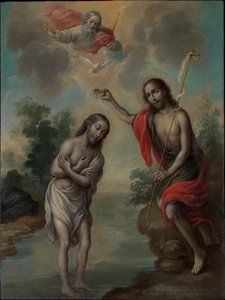
His technical prowess is perhaps most beautifully captured in his series of devotional works, such as The Baptism of Christ (1773). This particular piece, now held in the prestigious collection of The Metropolitan Museum of Art, serves as a testament to his ability to blend intricate detail with profound emotional resonance. A remarkable historical anecdote tells of how a Spanish merchant, Juan Bautista Echeverría, carried a suite of five such copper paintings across the Atlantic back to Spain, signing each one with the proud declaration: "made in Mexico in the year 1773." This act of preservation highlights how Enríquez's work was not only valued for its aesthetic beauty but also as a cherished symbol of spiritual identity.
The breadth of his repertoire included both grand religious narratives and intimate portraits, showcasing a versatility that spanned decades. His notable works include:
- Matanza de los Santos Inocentes (1737), currently housed in the Museo Soumaya, which demonstrates his command over dramatic, high-stakes religious storytelling.
- Retrato de Sor Juana Inés de la Cruz, a portrait located at the Philadelphia Art Institute, connecting his legacy to one of the most iconic intellectual figures of the colonial era.
- The Apparition of the Virgin of El Pilar to St. James, an exquisite example of his skill with oil on copper.
Historical Significance and Enduring Influence
Though much of Enríquez's physical oeuvre remains in Guadalajara, his impact extends far beyond the borders of a single city. He stands as a bridge between the late Baroque traditions of the 17th century and the burgeoning academic movements of the 18th century. By helping to found the very structures that allowed Mexican art to flourish, he helped create an environment where a distinct national identity could eventually emerge. His influence can be traced through the lineage of painters who followed him, contributing to the rich evolution of Mexican muralism and figurative art.
Ultimately, the life of Nicolás Enríquez de Vargas represents the intersection of colonial devotion and academic ambition. Through his meticulous work on copper and his dedication to the formal education of artists, he helped transform New Spain from a recipient of European artistic trends into a sophisticated producer of its own enduring masterpieces. His paintings remain more than mere relics; they are windows into a period of profound spiritual and cultural synthesis.