

 Preview
 Send
Send Share
Share
 Details

 Download
 Similars
 X-Ray
X-Ray Diaporama
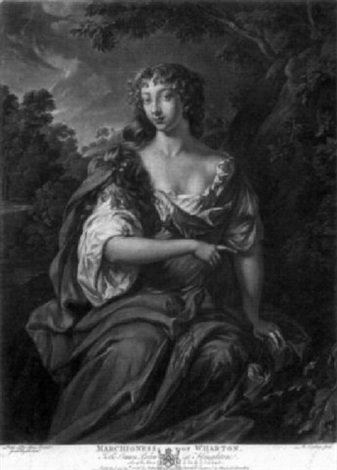
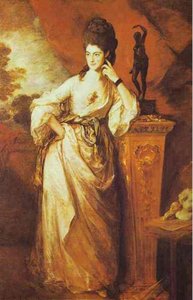
Bildnis der Marchioness of Wharton
 Read More
Purchase a high-resolution, enhanced digital image, far superior to the online preview.
Each file is meticulously prepared by our in-house specialists using advanced tools and expert manual retouching. We ensure every image has exceptional clarity, precise color accuracy, and fine detail.
The final file is delivered via email within 72 hours, optimized for immediate use in professional, editorial, and print environments. This is the same quality trusted by top-tier design studios, publishers, and galleries.
Digital Image
Download a high-resolution file for personal display, printing, and creative projects. ( Buy Print Buy Hand Made Painting)
Included in Every Digital Image Order
Expert Digital Delivery, Guaranteed
When you choose ArtsDot.com, you're not just getting an image - you're receiving a professionally enhanced digital artwork, crafted with precision and backed by a satisfaction guarantee. Here's everything that comes with your order, automatically:

Fast Email Delivery
Your high-resolution digital image file will be emailed to you within 72 hours of ordering - ready for immediate use.

AI-Enhanced Digital File
Your artwork is professionally optimized using advanced AI tools and manual editing, ensuring maximum detail, clarity, and color accuracy.

Free Lifetime Re-Delivery
Accidentally deleted or lost your file? No worries - we'll resend it to you anytime, free of charge.

No Import Fees - Ever
Enjoy your artwork instantly with zero customs, duties, or delivery fees - digital downloads are always tax-free.

Color Accuracy Guarantee
We ensure your digital image reflects the original colors as closely as possible using professional tools and color management.

60-Day Satisfaction Guarantee
If you're not satisfied with your digital image, we'll revise it or refund 100% within 60 days - no questions asked.

100% Money-Back Guarantee
Not satisfied? Get a full refund within 60 days of receiving your digital file - no questions asked.

Bulk Order Discounts
Buy 3 images, save 10% - Buy 5, save 15% - Buy 10+, save 20%. Great for creative projects, galleries, and agencies.
Related Artworks




Artist Biography
The Quiet Maestro of Rococo Illustration
In the glittering, often overwhelming landscape of eighteenth-century French art, where flamboyant masters like Jean-Baptiste Oudry and Charles André van Lont commanded the grandest stages, there existed a more subtle, meticulous form of brilliance. Nicolas-Gabriel Dupuis (1698–1771) was a master of this delicate realm. While he may not have sought the monumental scale of oil canvases, his influence permeated the very fabric of Rococo culture through the exquisite precision of his engravings and etchings. Known to history by the moniker Dupuis le Jeune—a distinction necessary to separate him from his elder brother, Charles—he carved out a legacy defined by technical virtuosity and an unparalleled ability to translate the elegance of his era into the intimate medium of print.
Born in Paris, Dupuis’s journey was one deeply rooted in the traditions of craftsmanship. His artistic foundation was laid under the watchful eye of Gaspard Duchange, a renowned engraver who did more than just impart the rigorous discipline of line and shadow; he became a pivotal figure in Dupuis's personal and professional destiny by arranging his marriage to his daughter. This union anchored Dupuis within a lineage of skilled artisans, connecting him to the classical techniques perfected by the greats of previous generations. However, it was his travels to England that truly expanded his creative vocabulary. In the English courts, where the Rococo aesthetic flourished and French artistry was held in high esteem, Dupuis refined a style that balanced French sophistication with an innovative, decorative exuberance. He learned to master the play of light and the intricate ornamentation that would become his hallmark.
A Legacy Etched in Detail
The true genius of Dupuis lay in his capacity for storytelling through the needle and burin. His work was never merely decorative; it was an exercise in capturing the ephemeral spirit of the Rococo movement—its grace, its whimsy, and its profound attention to texture. He found particular success in the realm of book illustration, most notably in his celebrated contributions to the complete edition of Jean de La Fontaine’s Fables. Working from drawings by masters such as Oudry, Dupuis breathed life into these timeless tales, using fine lines to evoke the soft plumage of birds or the delicate movement of forest creatures, ensuring that each print was a miniature masterpiece in its own right.
His technical repertoire was vast, ranging from neoclassical tributes to religious iconography. Some of his most significant achievements include:
- The Equestrian Statue of Louis XV at Bordeaux: A powerful monochrome engraving that utilized neoclassical precision to convey civic pride and royal authority.
- Religious and Mythological Interpretations: Works such as The Adoration of the Kings (after Paolo Veronese) and The Virgin and Child Jesus (after Annibale Carracci), which demonstrated his ability to translate the grandeur of High Renaissance masters into the delicate language of engraving.
- Portraiture and Narrative: His ability to capture character, seen in works like the portrait of Louis XIII or his illustrations for Voltaire’s La Henriade, showcasing a versatility that bridged the gap between historical documentation and artistic expression.
Influence and Artistic Eminence
By 1751, Dupuis had achieved the highest level of professional recognition in France, receiving the approval of the Académie royale de peinture et de sculpture. This membership was not merely a title but a testament to his standing among the elite of the art world. Beyond his own hand, Dupuis acted as a vital conduit for artistic knowledge, mentoring a new generation of engravers including Louis Michel Halbou and Charles-François-Adrien Macret, as well as talented Spanish artists like Manuel Salvador Carmona. Through these students, his dedication to precision and his refined Rococo sensibility were woven into the broader tapestry of European printmaking.
Though he lived in the shadow of more "spectacular" painters, the historical significance of Nicolas-Gabriel Dupuis cannot be understated. He was a master of the intimate, an artist who understood that the smallest etched line could carry the weight of an entire era's elegance. His work remains a window into the eighteenth century, offering a meticulously detailed view of a world defined by grace, ornament, and the quiet power of the printed image.
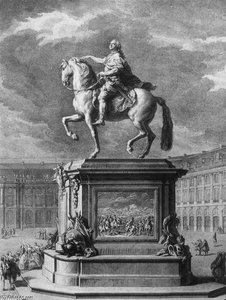
nicolas gabriel dupuis
1698 - 1771 , France
Quick Facts
- Artistic Movement Or Style: Rococo
- Artists Or Movements Influenced By This Artist: ['Académie royale']
- Artists Who Influenced This Artist: ['Gaspard Duchange']
- Date Of Birth: Paris, France (1698)
- Date Of Death: 1771
- Full Name: Nicolas Gabriel Dupuis
- Nationality: French
- Notable Artworks:
- La Fontaine fables
- Jean-Baptiste Oudry
- Place Of Birth: Paris

