

 Preview
 Send
Send Share
Share
 Details

 Download
 Similars
 X-Ray
X-Ray Diaporama
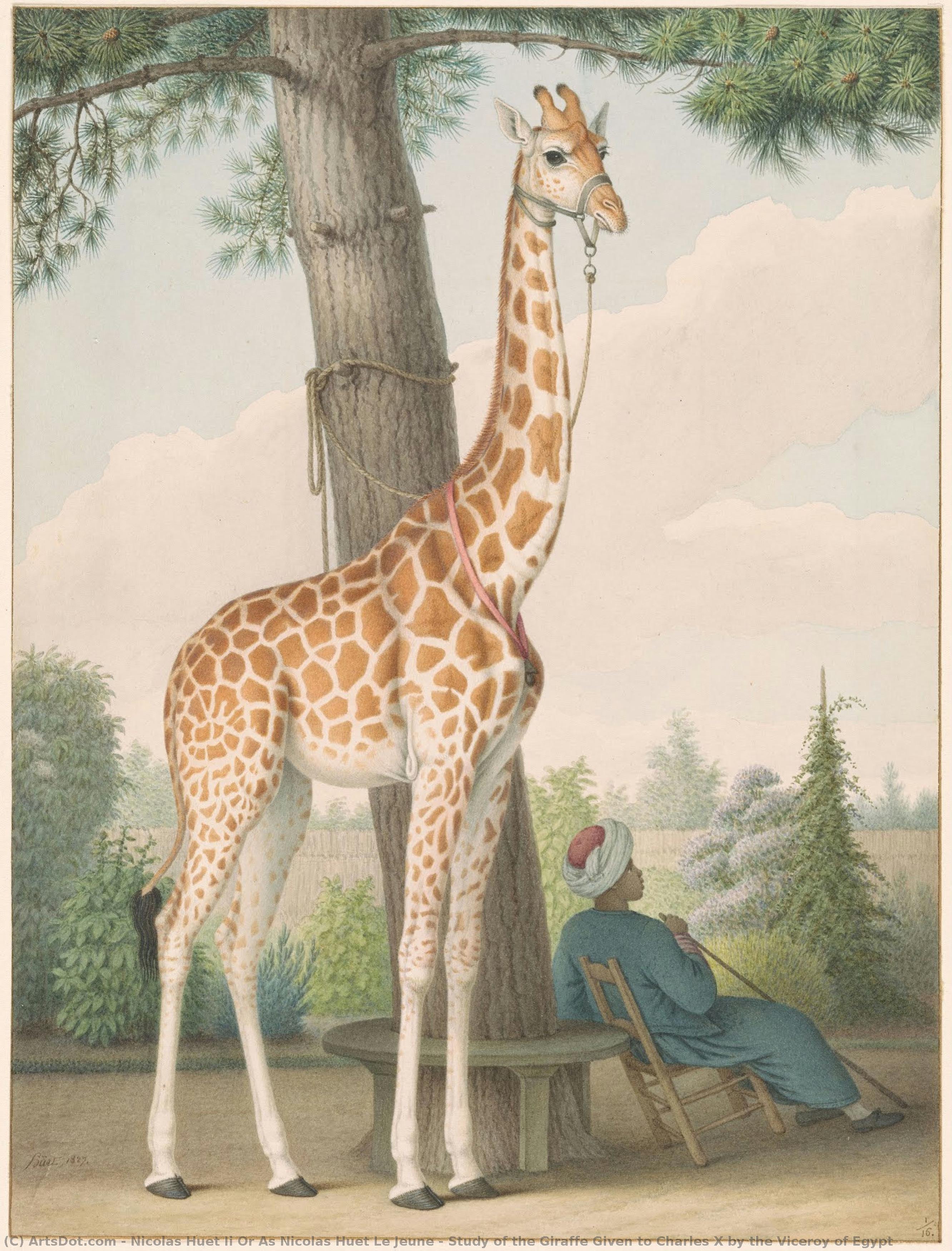
Study of the Giraffe Given to Charles X by the Viceroy of Egypt
 1827
1827 19.0 x 25.0 cm
 Read More
Purchase a high-resolution, enhanced digital image, far superior to the online preview.
Each file is meticulously prepared by our in-house specialists using advanced tools and expert manual retouching. We ensure every image has exceptional clarity, precise color accuracy, and fine detail.
The final file is delivered via email within 72 hours, optimized for immediate use in professional, editorial, and print environments. This is the same quality trusted by top-tier design studios, publishers, and galleries.
Digital Image
Download a high-resolution file for personal display, printing, and creative projects. ( Buy Print Buy Hand Made Painting)
Included in Every Digital Image Order
Expert Digital Delivery, Guaranteed
When you choose ArtsDot.com, you're not just getting an image - you're receiving a professionally enhanced digital artwork, crafted with precision and backed by a satisfaction guarantee. Here's everything that comes with your order, automatically:

Fast Email Delivery
Your high-resolution digital image file will be emailed to you within 72 hours of ordering - ready for immediate use.

AI-Enhanced Digital File
Your artwork is professionally optimized using advanced AI tools and manual editing, ensuring maximum detail, clarity, and color accuracy.

Free Lifetime Re-Delivery
Accidentally deleted or lost your file? No worries - we'll resend it to you anytime, free of charge.

No Import Fees - Ever
Enjoy your artwork instantly with zero customs, duties, or delivery fees - digital downloads are always tax-free.

Color Accuracy Guarantee
We ensure your digital image reflects the original colors as closely as possible using professional tools and color management.

60-Day Satisfaction Guarantee
If you're not satisfied with your digital image, we'll revise it or refund 100% within 60 days - no questions asked.

100% Money-Back Guarantee
Not satisfied? Get a full refund within 60 days of receiving your digital file - no questions asked.

Bulk Order Discounts
Buy 3 images, save 10% - Buy 5, save 15% - Buy 10+, save 20%. Great for creative projects, galleries, and agencies.
Related Artworks









Artist Biography
François Boucher: The Architect of Rococo
François Boucher (1703–1770) stands as a pivotal figure in the history of French art, inextricably linked to the rise and flourishing of the Rococo style. More than simply a painter, he was an orchestrator of visual pleasure, a master of marketing his talents, and ultimately, a key architect in shaping the aesthetic sensibilities of the French court under Louis XV. Born into modest circumstances – his father was a printer – Boucher’s early life offered little indication of the artistic heights he would eventually achieve. Initially supporting himself through printmaking and designing book illustrations, he honed his skills meticulously, absorbing influences from both the Baroque masters and the burgeoning trends of the day. His apprenticeship with Jean de Jullienne proved crucial, exposing him to the techniques of etching and providing a vital platform for launching his career.- Early Influences & The Italian Journey (1728): Boucher’s artistic development took a decisive turn with his trip to Italy in 1728. Rather than solely focusing on the grand narratives of Caravaggio and Bernini, he demonstrated an astute appreciation for the nuances of Venetian painting – particularly the shimmering surfaces and dramatic lighting favored by artists like Titian and Veronese – as well as the landscapes of Dutch masters who captured the subtle beauty of rural life. These diverse influences would coalesce into his uniquely refined Rococo style.
- Academic Recognition & Royal Patronage: Returning to Paris, Boucher quickly gained recognition within the prestigious Académie Royale de Peinture et de Sculpture in 1734. His talent and ability to cater to the tastes of the court swiftly propelled him into a position of considerable influence. He became *premier peintre du Roi* (first painter to the King) and director of the Academy in 1765, positions that solidified his dominance within the French art world.
The Rococo Vision: Pastoral Idyllicism & Sensual Grace
Boucher’s artistic legacy rests primarily on his masterful execution of the Rococo style. Unlike the formality and grandeur of the Baroque, Rococo embraced intimacy, elegance, and a playful sensuality. Boucher was arguably its most influential practitioner, not merely replicating existing trends but actively reinventing them. His signature style is characterized by delicate brushwork, luminous colors – particularly pale blues, pinks, and creams – and an emphasis on decorative effects. He frequently depicted scenes of pastoral romance, populated by elegantly dressed shepherds and shepherdesses engaged in flirtatious encounters within idyllic landscapes.- Pastoral Themes & Erotic Subtext: Boucher’s pastoral paintings are not simply charming depictions of rural life; they often carry a subtle erotic undertone. Works like *The Interrupted Sleep* and *Venus Appuyée sur son Cher Adonis* showcase his ability to infuse seemingly innocent scenes with an undercurrent of desire, reflecting the prevailing atmosphere of pleasure-seeking at the French court. These paintings were frequently commissioned for private residences and intimate salons, underscoring their appeal as decorative objects.
- Beyond Pastoral: Mythological Subjects & Decorative Design: While Boucher is best known for his pastoral scenes, he also excelled in painting mythological subjects – often adapted to suit the tastes of his aristocratic patrons. He was a prolific designer of tapestries, porcelain, and furniture, applying his decorative sensibilities to a wide range of media. His ability to seamlessly integrate painting with other forms of art demonstrated his comprehensive understanding of visual aesthetics.
Technique & Style: A Painterly Surface
Boucher’s artistic technique was characterized by a remarkable attention to detail and a masterful command of color. He employed a loose, painterly brushstroke that created a shimmering surface effect – a hallmark of the Rococo style. His use of *clair-obscur* (chiaroscuro) was subtle yet effective, creating depth and drama within his compositions. Boucher’s palette favored delicate pastel shades, contributing to the overall sense of lightness and elegance in his paintings. He meticulously studied the effects of light on different materials – silk, marble, and porcelain – striving for a convincing illusion of reality.- The Influence of Watteau & Venetian Masters: Boucher’s style was deeply influenced by Antoine Watteau, whose delicate brushwork and emphasis on atmosphere paved the way for the Rococo movement. He also drew inspiration from the Venetian masters, particularly their use of color and their ability to create a sense of shimmering light.
- Marketing His Art & The Rise of Printmaking: Boucher was remarkably adept at promoting his work. He understood the importance of printmaking in disseminating his designs and securing commissions. His etchings after Watteau’s drawings were immensely popular, contributing to the widespread dissemination of Rococo aesthetics throughout Europe.
Historical Significance & Legacy
François Boucher's impact on French art is undeniable. He not only defined the aesthetic principles of the mature Rococo style but also played a crucial role in its popularization and commercial success. His paintings, tapestries, and decorative designs shaped the visual culture of the French court and influenced artists across Europe. Despite facing criticism later in his career – particularly from Denis Diderot who deemed him lacking in “truth” – Boucher remained a dominant figure in the art world until his death in 1770. His legacy continues to resonate today, reminding us of the power of beauty, elegance, and the enduring appeal of the Rococo style. He remains one of the most important figures in French art history, a testament to the transformative potential of artistic talent and astute self-promotion.
nicolas huet ii or as nicolas huet le jeune
1770 - 1830 , France
Quick Facts
- Artistic Movement Or Style: Rococo
- Artists Or Movements Influenced By This Artist:
- Watteau
- Rococo
- Artists Who Influenced This Artist:
- Antoine Watteau
- Giovanni Battista Tiepolo
- Date Of Birth: 1703
- Date Of Death: 1770
- Full Name: François Boucher
- Nationality: French
- Notable Artworks:
- The Triumph of Venus
- Psyche Revived by Cupid's Kiss
- Design for a Funeral Monument
- Place Of Birth: Lyon, France

