

 Preview
 Send
Send Share
Share
 Details

 Download
 Similars
 X-Ray
X-Ray Diaporama
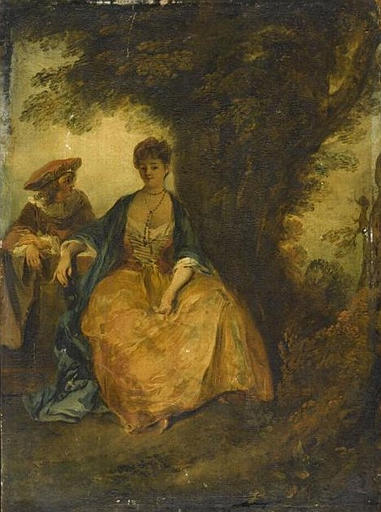
CONVERSATION GALANTE


 Read More
Purchase a high-resolution, enhanced digital image, far superior to the online preview.
Each file is meticulously prepared by our in-house specialists using advanced tools and expert manual retouching. We ensure every image has exceptional clarity, precise color accuracy, and fine detail.
The final file is delivered via email within 72 hours, optimized for immediate use in professional, editorial, and print environments. This is the same quality trusted by top-tier design studios, publishers, and galleries.
Digital Image
Download a high-resolution file for personal display, printing, and creative projects. ( Buy Print Buy Hand Made Painting)
Included in Every Digital Image Order
Expert Digital Delivery, Guaranteed
When you choose ArtsDot.com, you're not just getting an image - you're receiving a professionally enhanced digital artwork, crafted with precision and backed by a satisfaction guarantee. Here's everything that comes with your order, automatically:

Fast Email Delivery
Your high-resolution digital image file will be emailed to you within 72 hours of ordering - ready for immediate use.

AI-Enhanced Digital File
Your artwork is professionally optimized using advanced AI tools and manual editing, ensuring maximum detail, clarity, and color accuracy.

Free Lifetime Re-Delivery
Accidentally deleted or lost your file? No worries - we'll resend it to you anytime, free of charge.

No Import Fees - Ever
Enjoy your artwork instantly with zero customs, duties, or delivery fees - digital downloads are always tax-free.

Color Accuracy Guarantee
We ensure your digital image reflects the original colors as closely as possible using professional tools and color management.

60-Day Satisfaction Guarantee
If you're not satisfied with your digital image, we'll revise it or refund 100% within 60 days - no questions asked.

100% Money-Back Guarantee
Not satisfied? Get a full refund within 60 days of receiving your digital file - no questions asked.

Bulk Order Discounts
Buy 3 images, save 10% - Buy 5, save 15% - Buy 10+, save 20%. Great for creative projects, galleries, and agencies.
Collectible Description
A Glimpse into Rococo Society: Unveiling Conversation Galante
Nicolas Lancret’s “Conversation Galante” isn't merely a painting; it’s a meticulously crafted window into the opulent and subtly decadent world of 18th-century French aristocracy. Completed around 1743, during the reign of Louis XV, this work embodies the Rococo style at its most charming – a delicate dance between flirtation, leisure, and social maneuvering. The scene unfolds within a lush, verdant landscape, hinting at an idyllic retreat from the formalities of court life. Lancret masterfully captures not just appearances but also the unspoken language of polite society, where glances, gestures, and carefully chosen words held immense significance.
The composition immediately draws the eye to a central couple – a man and woman engaged in what appears to be a lighthearted exchange. A smaller figure, likely a young gentleman, is positioned slightly behind them, suggesting an attentive observer or perhaps a hopeful suitor. The arrangement isn’t overtly dramatic; instead, it exudes a sense of relaxed elegance, typical of the *fête galante* genre that Lancret so expertly portrayed. Notice how the figures are draped in flowing fabrics, their postures graceful and unhurried – a deliberate contrast to the rigid formality often associated with aristocratic gatherings.
A Symphony of Pastel Colors and Delicate Brushwork
Lancret’s technical skill is immediately apparent in the painting's exquisite color palette. He employs a masterful use of pastel hues—soft yellows, blush pinks, muted blues, and earthy greens—creating an atmosphere of airy lightness and refined beauty. The brushstrokes are remarkably subtle, almost translucent, contributing to the overall sense of softness and fluidity. This technique, characteristic of Rococo painting, emphasizes texture and light rather than sharp outlines or dramatic contrasts. Observe how Lancret uses *sfumato*, a blurring effect that softens edges and creates an ethereal quality, particularly in the foliage and the figures’ clothing.
The impasto technique is also evident in certain areas, notably in the details of the flowers and foliage, adding a tactile dimension to the painting. Lancret's attention to detail extends to the rendering of fabrics – the folds of the dresses, the textures of the velvet cushions—each element meticulously crafted to convey a sense of luxury and refinement. The lighting is diffused and gentle, originating from an unseen source on the left side of the composition, casting subtle shadows that enhance the depth and dimensionality of the scene.
Symbolism and the Language of Courtly Life
“Conversation Galante” is rich in symbolic meaning, reflecting the values and conventions of 18th-century French society. The setting itself—a secluded garden or park—represents a space of escape and intimacy, shielded from the pressures of public life. The conversation between the figures suggests a delicate dance of courtship, where social graces and unspoken desires intertwine. The small gestures – a glance exchanged, a hand lightly touching—speak volumes about the complex dynamics of relationships within aristocratic circles.
The painting’s overall mood is one of playful sophistication, but beneath the surface lies a subtle commentary on the constraints and expectations placed upon women in that era. While seemingly engaged in a lighthearted exchange, the woman's posture and expression hint at a degree of restraint and carefully controlled behavior. Lancret captures this duality with remarkable sensitivity, offering viewers a glimpse into both the pleasures and the limitations of aristocratic life.
A Timeless Masterpiece: Reproduction and Beyond
“Conversation Galante” remains a captivating work of art, admired for its exquisite beauty, technical skill, and insightful portrayal of 18th-century society. Reproductions offer an accessible way to experience the charm and elegance of this iconic painting, bringing its delicate colors and subtle nuances into any interior space. Consider framing a high-quality reproduction in a classic style to complement its Rococo aesthetic, or explore options for commissioning a custom hand-painted replica that captures the spirit of Lancret’s original masterpiece.
Related Artworks
Artist Biography
Nicolas Lancret: A Life in Rococo Charm
- Born: Paris, France (January 22, 1690)
- Died: Paris, France (September 14, 1743)
Early Life and Training
Nicolas Lancret's artistic journey began in Paris, where he was born in 1690. While detailed records of his early life are scarce, it is known that he received initial training under Pierre d’Ulin, a respected history painter. A pivotal moment arrived when he encountered the work of Antoine Watteau, whose influence profoundly shaped Lancret's artistic direction. He subsequently studied with Jean-Baptiste Gillot, who himself had been a student of Watteau, further solidifying his connection to this influential artistic lineage. This period of training laid the foundation for Lancret’s distinctive style, characterized by its lighthearted depictions of Parisian society and celebrations of *fêtes galantes*.Artistic Style and Notable Works
Lancret became renowned as a brilliant portrayer of everyday life within French society during the Regency of the Duke of Orleans and the early reign of King Louis XV. His artistic style is marked by charming scenes of balls, fairs, village weddings, and other social gatherings, reflecting the tastes and manners of his time. He excelled at capturing the spirit of Rococo elegance and frivolity.- Notable Works:
- *Le Déjeuner de Jambon* (Chantilly, Musée Condé, 1735): A quintessential example of his genre scenes, depicting a convivial ham breakfast with lively figures.
- *La Servante Justifiée* (1735-1740): Showcases Lancret's ability to portray domestic scenes with wit and charm.
- *Le Jeu des Quatre-Coins*: A playful depiction of a popular game, capturing the energy and amusement of social interaction.
- *Marie-Anne de Camargo* (1730): A portrait demonstrating his skill in depicting fashionable figures.
Influences and Legacy
Lancret’s artistic style bears a clear resemblance to that of Watteau, often leading art historians to compare the two. While some critics have considered Lancret's work to be somewhat less profound than Watteau's, his ability to capture the essence of French society in the 18th century has secured him a significant place in art history. His paintings are celebrated for their lightheartedness and charm, offering valuable insights into the social customs and aesthetics of the Rococo period. Lancret’s influence can be seen in later artists like François Boucher. His works reside in prestigious collections worldwide, including the National Gallery and the Musée d'Orsay, ensuring his legacy continues to inspire appreciation for French Rococo art.Development and Historical Significance
Throughout his career, Lancret demonstrated a gradual evolution in his artistic approach. While initially heavily influenced by Watteau, he developed a more distinctive style characterized by livelier colors and a greater sense of harmony between figures and their surroundings. His later works, such as *Montreir de lanterne magique* and *Family in a Garden*, are considered to represent the peak of his artistic achievement, showcasing an increasing ability to create depth and intimacy within his compositions. Lancret’s historical significance lies in his contribution to the Rococo movement and his ability to document the social life and cultural values of 18th-century France through his charming and accessible paintings.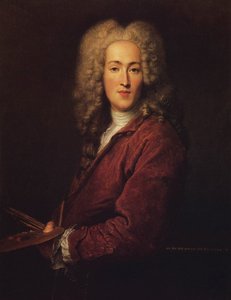
Nicolas Lancret
1690 - 1743 , France
Quick Facts
- Artistic Movement Or Style: Rococo
- Artists Or Movements Influenced By This Artist: ['François Boucher']
- Artists Who Influenced This Artist:
- Pierre d'Ulin
- Jean-Baptiste Gillot
- Antoine Watteau
- Date Of Birth: January 22, 1690
- Date Of Death: September 14, 1743
- Full Name: Nicolas Lancret
- Nationality: French
- Notable Artworks:
- Le déjeuner de jambon
- La servante justifiée
- Le jeu des quatre-coins
- Marie-anne de Camargo
- Place Of Birth: Paris, France

