

 Preview
 Send
Send Share
Share
 Details

 Download
 Similars
 X-Ray
X-Ray Diaporama
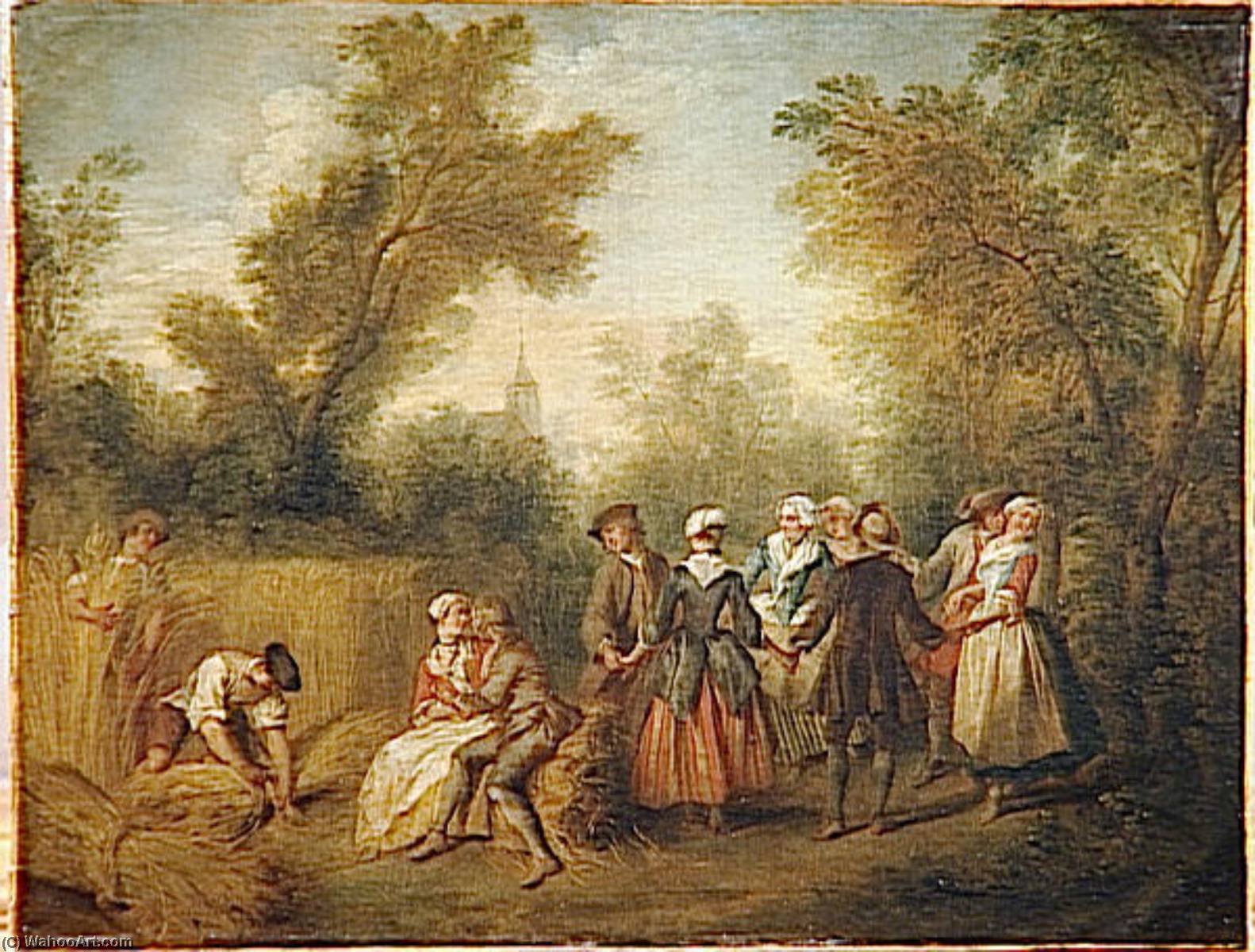
L'ETE


 Read More
Purchase a high-resolution, enhanced digital image, far superior to the online preview.
Each file is meticulously prepared by our in-house specialists using advanced tools and expert manual retouching. We ensure every image has exceptional clarity, precise color accuracy, and fine detail.
The final file is delivered via email within 72 hours, optimized for immediate use in professional, editorial, and print environments. This is the same quality trusted by top-tier design studios, publishers, and galleries.
Digital Image
Download a high-resolution file for personal display, printing, and creative projects. ( Buy Print Buy Hand Made Painting)
Included in Every Digital Image Order
Expert Digital Delivery, Guaranteed
When you choose ArtsDot.com, you're not just getting an image - you're receiving a professionally enhanced digital artwork, crafted with precision and backed by a satisfaction guarantee. Here's everything that comes with your order, automatically:

Fast Email Delivery
Your high-resolution digital image file will be emailed to you within 72 hours of ordering - ready for immediate use.

AI-Enhanced Digital File
Your artwork is professionally optimized using advanced AI tools and manual editing, ensuring maximum detail, clarity, and color accuracy.

Free Lifetime Re-Delivery
Accidentally deleted or lost your file? No worries - we'll resend it to you anytime, free of charge.

No Import Fees - Ever
Enjoy your artwork instantly with zero customs, duties, or delivery fees - digital downloads are always tax-free.

Color Accuracy Guarantee
We ensure your digital image reflects the original colors as closely as possible using professional tools and color management.

60-Day Satisfaction Guarantee
If you're not satisfied with your digital image, we'll revise it or refund 100% within 60 days - no questions asked.

100% Money-Back Guarantee
Not satisfied? Get a full refund within 60 days of receiving your digital file - no questions asked.

Bulk Order Discounts
Buy 3 images, save 10% - Buy 5, save 15% - Buy 10+, save 20%. Great for creative projects, galleries, and agencies.
Collectible Description
A Moment of Pastoral Delight: Unveiling *L’Été*
Nicolas Lancret’s “L’Été,” or Summer, isn’t merely a painting; it's an invitation. An invitation to step into a sun-drenched world of leisurely grace and understated pleasure – the quintessential atmosphere of Rococo France. Painted in 1720, this work captures a fleeting moment within a *fête galante*, a popular genre that celebrated aristocratic life through idealized depictions of outdoor gatherings and romantic encounters. Lancret, deeply influenced by the masterful Antoine Watteau, skillfully transports us to a scene brimming with an almost palpable sense of contentment, where time seems to slow and the cares of the world melt away.
The composition itself is deceptively simple yet profoundly effective. A small group of figures – gentlemen in powdered wigs and ladies adorned in pastel silks – are clustered together amidst a verdant landscape. They engage in conversation, perhaps dancing, or simply basking in the warmth of the afternoon sun. A solitary figure, bent low near a wheat field, adds an element of quiet contemplation to the scene. Lancret avoids dramatic poses or grand gestures; instead, he favors subtle interactions and relaxed postures that convey a genuine sense of ease and camaraderie. The arrangement feels deliberately balanced, drawing the eye naturally through the carefully constructed space.
The Language of Color and Light: A Rococo Palette
Lancret’s masterful use of color is central to the painting's allure. He employs a delicate palette dominated by soft greens, creams, and blush pinks – colors evocative of summer meadows and blossoming flowers. These pastel hues are expertly layered with subtle glazes, creating an almost luminous quality that seems to emanate from within the canvas. The sky is rendered in hazy blues and whites, suggesting diffused sunlight or perhaps a gentle overcast day. Notice how Lancret avoids harsh contrasts; instead, he favors gradual transitions between shades, contributing to the painting’s overall sense of softness and tranquility.
The artist's technique further enhances this atmospheric effect. Loose brushstrokes are employed throughout, creating an impressionistic quality that softens edges and blurs details. This deliberate lack of precision is characteristic of Rococo art, which prioritized elegance and charm over meticulous realism. Lancret’s approach allows the eye to wander across the scene, absorbing its beauty without being overwhelmed by sharp definition. The subtle textures – the rustle of leaves, the folds of fabric – are suggested rather than explicitly depicted, adding a layer of tactile richness to the composition.
Symbolism and the Essence of *Fête Galante*
“L’Été” is more than just a pretty picture; it's imbued with symbolic meaning. The *fête galante* genre itself was a deliberate attempt to idealize aristocratic life, presenting a romanticized vision of leisure and social interaction. The figures in the painting represent a privileged elite, enjoying the fruits of their status through refined pursuits and pleasant company. The setting – a lush countryside – symbolizes abundance and natural beauty, further reinforcing the theme of idyllic pleasure.
The solitary figure near the wheat field is particularly intriguing. He could be interpreted as representing contemplation or perhaps even melancholy amidst the festivities. His presence adds a touch of complexity to the scene, reminding us that even in moments of apparent joy, there can be an undercurrent of introspection. The painting’s overall message is one of harmonious balance – a celebration of beauty, pleasure, and the simple joys of life.
A Legacy of Elegance: Lancret's Enduring Appeal
Nicolas Lancret remains a pivotal figure in Rococo art, celebrated for his ability to capture the essence of aristocratic leisure with remarkable grace and charm. “L’Été” stands as a testament to his skill and artistry, offering viewers a glimpse into a bygone era of elegance and refinement. Reproductions of this captivating work continue to resonate today, evoking a sense of nostalgia for a time when life was lived at a slower pace and beauty was cherished above all else. Its delicate colors, fluid brushstrokes, and evocative subject matter make it a timeless treasure – a perfect addition to any collection or a source of inspiration for interior design enthusiasts seeking to infuse their spaces with a touch of Rococo allure.
Related Artworks
Artist Biography
Nicolas Lancret: A Life in Rococo Charm
- Born: Paris, France (January 22, 1690)
- Died: Paris, France (September 14, 1743)
Early Life and Training
Nicolas Lancret's artistic journey began in Paris, where he was born in 1690. While detailed records of his early life are scarce, it is known that he received initial training under Pierre d’Ulin, a respected history painter. A pivotal moment arrived when he encountered the work of Antoine Watteau, whose influence profoundly shaped Lancret's artistic direction. He subsequently studied with Jean-Baptiste Gillot, who himself had been a student of Watteau, further solidifying his connection to this influential artistic lineage. This period of training laid the foundation for Lancret’s distinctive style, characterized by its lighthearted depictions of Parisian society and celebrations of *fêtes galantes*.Artistic Style and Notable Works
Lancret became renowned as a brilliant portrayer of everyday life within French society during the Regency of the Duke of Orleans and the early reign of King Louis XV. His artistic style is marked by charming scenes of balls, fairs, village weddings, and other social gatherings, reflecting the tastes and manners of his time. He excelled at capturing the spirit of Rococo elegance and frivolity.- Notable Works:
- *Le Déjeuner de Jambon* (Chantilly, Musée Condé, 1735): A quintessential example of his genre scenes, depicting a convivial ham breakfast with lively figures.
- *La Servante Justifiée* (1735-1740): Showcases Lancret's ability to portray domestic scenes with wit and charm.
- *Le Jeu des Quatre-Coins*: A playful depiction of a popular game, capturing the energy and amusement of social interaction.
- *Marie-Anne de Camargo* (1730): A portrait demonstrating his skill in depicting fashionable figures.
Influences and Legacy
Lancret’s artistic style bears a clear resemblance to that of Watteau, often leading art historians to compare the two. While some critics have considered Lancret's work to be somewhat less profound than Watteau's, his ability to capture the essence of French society in the 18th century has secured him a significant place in art history. His paintings are celebrated for their lightheartedness and charm, offering valuable insights into the social customs and aesthetics of the Rococo period. Lancret’s influence can be seen in later artists like François Boucher. His works reside in prestigious collections worldwide, including the National Gallery and the Musée d'Orsay, ensuring his legacy continues to inspire appreciation for French Rococo art.Development and Historical Significance
Throughout his career, Lancret demonstrated a gradual evolution in his artistic approach. While initially heavily influenced by Watteau, he developed a more distinctive style characterized by livelier colors and a greater sense of harmony between figures and their surroundings. His later works, such as *Montreir de lanterne magique* and *Family in a Garden*, are considered to represent the peak of his artistic achievement, showcasing an increasing ability to create depth and intimacy within his compositions. Lancret’s historical significance lies in his contribution to the Rococo movement and his ability to document the social life and cultural values of 18th-century France through his charming and accessible paintings.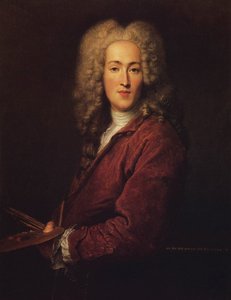
Nicolas Lancret
1690 - 1743 , France
Quick Facts
- Artistic Movement Or Style: Rococo
- Artists Or Movements Influenced By This Artist: ['François Boucher']
- Artists Who Influenced This Artist:
- Pierre d'Ulin
- Jean-Baptiste Gillot
- Antoine Watteau
- Date Of Birth: January 22, 1690
- Date Of Death: September 14, 1743
- Full Name: Nicolas Lancret
- Nationality: French
- Notable Artworks:
- Le déjeuner de jambon
- La servante justifiée
- Le jeu des quatre-coins
- Marie-anne de Camargo
- Place Of Birth: Paris, France

