

 Preview
 Send
Send Share
Share
 Details

 Download
 Similars
 X-Ray
X-Ray Diaporama
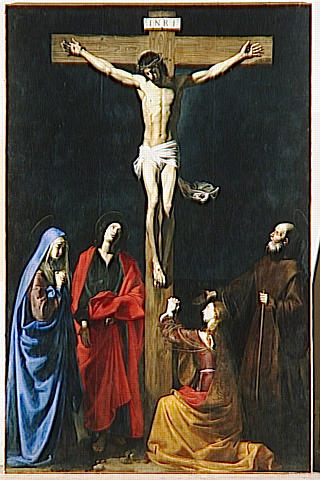
LE CHRIST EN CROIX, LA VIERGE, LA MADELEINE, SAINT JEAN ET SAINT VINCENT DE PAUL


 Read More
Purchase a high-resolution, enhanced digital image, far superior to the online preview.
Each file is meticulously prepared by our in-house specialists using advanced tools and expert manual retouching. We ensure every image has exceptional clarity, precise color accuracy, and fine detail.
The final file is delivered via email within 72 hours, optimized for immediate use in professional, editorial, and print environments. This is the same quality trusted by top-tier design studios, publishers, and galleries.
Digital Image
Download a high-resolution file for personal display, printing, and creative projects. ( Buy Print Buy Hand Made Painting)
Included in Every Digital Image Order
Expert Digital Delivery, Guaranteed
When you choose ArtsDot.com, you're not just getting an image - you're receiving a professionally enhanced digital artwork, crafted with precision and backed by a satisfaction guarantee. Here's everything that comes with your order, automatically:

Fast Email Delivery
Your high-resolution digital image file will be emailed to you within 72 hours of ordering - ready for immediate use.

AI-Enhanced Digital File
Your artwork is professionally optimized using advanced AI tools and manual editing, ensuring maximum detail, clarity, and color accuracy.

Free Lifetime Re-Delivery
Accidentally deleted or lost your file? No worries - we'll resend it to you anytime, free of charge.

No Import Fees - Ever
Enjoy your artwork instantly with zero customs, duties, or delivery fees - digital downloads are always tax-free.

Color Accuracy Guarantee
We ensure your digital image reflects the original colors as closely as possible using professional tools and color management.

60-Day Satisfaction Guarantee
If you're not satisfied with your digital image, we'll revise it or refund 100% within 60 days - no questions asked.

100% Money-Back Guarantee
Not satisfied? Get a full refund within 60 days of receiving your digital file - no questions asked.

Bulk Order Discounts
Buy 3 images, save 10% - Buy 5, save 15% - Buy 10+, save 20%. Great for creative projects, galleries, and agencies.
Collectible Description
The Weight of the Cross: Nicolas Tournier’s Dramatic Depiction
Nicolas Tournier's "Le Christ en croix, la Vierge, la Madeleine, saint Jean et saint Vincent de Paul" is not merely a painting; it’s an immersive experience, a visceral plunge into the heart of Christian sorrow and profound contemplation. Completed in 1632 during the turbulent years of the French Baroque, this work transcends its historical context to resonate with viewers across centuries, offering a timeless meditation on sacrifice, faith, and the enduring power of compassion. Tournier, a key figure within the Protestant artistic community who embraced Catholic themes, masterfully employs dramatic lighting and dynamic composition to convey an overwhelming sense of grief and spiritual weight.
The scene unfolds against a stark, almost impenetrable black background – a deliberate choice that amplifies the luminosity of Christ’s body and the figures gathered below. The arrangement is carefully constructed, drawing the eye immediately to the central figure on the cross, yet simultaneously encompassing a constellation of mourners: Mary, the Virgin; Mary Magdalene, her face etched with sorrow; Saint John, radiating an aura of quiet devotion; and Saint Vincent de Paul, his posture conveying both empathy and spiritual fortitude. Tournier doesn’t shy away from depicting the raw reality of suffering – wounds are visible, expressions are anguished, and the overall atmosphere is one of palpable grief. However, within this darkness, a subtle glimmer of hope emerges through the depiction of Mary's serene countenance and the collective act of mourning, suggesting a shared understanding of Christ’s sacrifice.
Baroque Drama: Light, Line, and Emotion
Tournier’s style is firmly rooted in the Baroque tradition, characterized by its theatricality, emotional intensity, and masterful use of chiaroscuro – the dramatic interplay of light and shadow. The lighting is intensely directional, originating from an unseen source above and slightly to the left, casting deep shadows that sculpt the figures and heighten their sense of vulnerability. Strong vertical lines are established by the cross itself, a monumental anchor within the composition, while flowing, curvilinear lines emerge through the drapery of the garments, softening the overall rigidity and adding a touch of dynamism. The brushwork is visible, lending a painterly quality to the work – not striving for photographic realism but rather prioritizing emotional impact and expressive gesture.
- Color Palette: Dominated by deep reds, blues, browns, and creams, creating a somber yet evocative atmosphere.
- Lines: Strong verticality from the cross contrasted with flowing drapery.
- Shapes: Predominantly organic forms – human figures and the geometric structure of the cross.
- Texture: Suggests texture through visible brushstrokes, conveying a sense of physicality and vulnerability.
Symbolism and Historical Context
Beyond its immediate depiction of the crucifixion, "Le Christ en croix" is rich in symbolic meaning. The inscription “INRI” – Latin for “Jesus of Nazareth, King of the Jews” – prominently displayed above the cross serves as a reminder of Christ’s sacrifice and his role as both suffering servant and divine ruler. The presence of Saint Vincent de Paul, a tireless advocate for the poor and marginalized, adds another layer of significance, highlighting the themes of charity, compassion, and social justice that were central to Tournier's artistic vision. The inclusion of Mary Magdalene, often associated with repentance and forgiveness, further underscores the redemptive power of Christ’s sacrifice.
Considering the historical context, this painting was created during a period of religious upheaval in France – the aftermath of the St. Bartholomew’s Day Massacre and the rise of Protestantism. Tournier's decision to depict such a powerful and emotionally charged scene within a Catholic framework reflects his own complex relationship with faith and his willingness to engage with themes of suffering, redemption, and spiritual devotion. The painting’s journey through French history – from the Louvre to its temporary disappearance – adds another layer of intrigue to its story.
A Legacy of Emotion: Reproduction and Interpretation
Reproductions of "Le Christ en croix" offer a remarkable opportunity to experience the profound emotional impact of Tournier’s masterpiece. The dramatic lighting, dynamic composition, and rich symbolism continue to captivate viewers today, inviting contemplation on themes of faith, suffering, and redemption. When selecting a reproduction, consider the quality of materials used – oil paints on canvas or panel will best capture the original's depth and texture. This painting remains a powerful testament to the enduring legacy of Nicolas Tournier and his ability to translate complex theological concepts into a visually arresting and emotionally resonant work of art.
Related Artworks

Artist Biography
The Shadow and the Light: The Baroque Vision of Nicolas Tournier
In the dramatic landscape of the seventeenth century, few artists captured the profound tension between divine light and earthly shadow as effectively as Nicolas Tournier. Born in Montbéliard, France, around 1590, Tournier emerged during a transformative era when the artistic pulse of Europe was shifting toward the intense emotionalism of the Baroque. His work serves as a poignant bridge between the classical traditions of his French heritage and the revolutionary, high-contrast realism that was sweeping across the continent. To look upon a Tournier canvas is to enter a world where every brushstroke is heavy with the weight of spiritual significance and every shadow holds a secret waiting to be revealed.
The stylistic heartbeat of Tournier’s oeuvre is undeniably linked to the profound influence of Caravaggio. This Italian master’s technique of tenebrism—the use of extreme contrasts between light and dark to achieve a sense of drama and volume—became the cornerstone of Tournier's visual language. Through this lens, the artist did not merely paint scenes; he sculpted them out of darkness. His mastery of light allowed him to illuminate the textures of fabric, the weary lines of a saint’s face, and the visceral reality of religious martyrdom, pulling the viewer into an intimate, almost tactile encounter with the sacred.
A Devotion to the Divine and the Human
Tournier’s subject matter was deeply rooted in the religious fervor of his time. As a painter operating within the French Baroque tradition, he found his greatest inspiration in the profound narratives of Christian iconography. His compositions often centered on themes of sacrifice, penance, and divine intervention, most notably seen in masterpieces such as 'The Carrying of the Cross'. In these works, the artist avoids mere ornamentation, opting instead for a gritty, grounded realism that emphasizes the human suffering inherent in the divine struggle.
What distinguishes Tournier from his contemporaries was his ability to blend this intense religious gravity with a sophisticated sense of composition derived from the Roman School. His development as an artist saw him moving beyond simple imitation of Italian masters to create a uniquely French interpretation of Baroque drama. This evolution is characterized by:
- Emotional Resonance: A focus on the psychological depth of his figures, making the divine feel accessible and human.
- Chiaroscuro Mastery: The use of light not just as a tool for visibility, but as a narrative device to guide the eye toward moments of spiritual climax.
- Textural Realism: An incredible attention to detail in the rendering of skin, cloth, and stone, which lends an air of authenticity to his religious scenes.
Legacy and Historical Significance
The historical significance of Nicolas Tournier lies in his role as a vital contributor to the French Baroque movement. While often overshadowed by the later, more decorative flourishes of the Grand Siècle, Tournier provided a necessary foundation of realism and intensity. He helped cultivate an aesthetic that valued the raw, unvarnished truth of the human condition, paving the way for future generations of French painters to explore the complexities of light and shadow.
Today, his works remain essential studies for anyone seeking to understand the transition from the late Renaissance to the height of the Baroque. His ability to evoke piety through the medium of darkness ensures that his name remains etched in the annals of art history—not merely as a follower of Caravaggio, but as a master who harnessed the shadows to illuminate the very soul of his era.
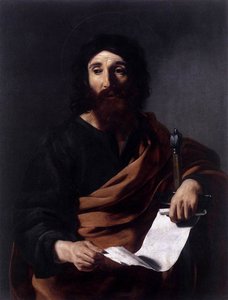
nicolas tournier
1590 - 1639 , France
Quick Facts
- Artistic Movement Or Style: Mannerism, Portraiture
- Artists Or Movements Influenced By This Artist:
- Caravaggio
- Mannerism
- Artists Who Influenced This Artist:
- Andrea Mantegna
- Leonardo da Vinci
- Date Of Birth: 5 April 1527
- Date Of Death: 11 July 1593
- Full Name: Giuseppe Arcimboldo
- Nationality: Italian
- Notable Artworks:
- The Four Seasons
- Akbar's Triumphal Entry
- Bacchus
- Judith with Holophernes
- Place Of Birth: Milan, Italy

