

 Preview
 Send
Send Share
Share
 Details

 Download
 Similars
 X-Ray
X-Ray Diaporama
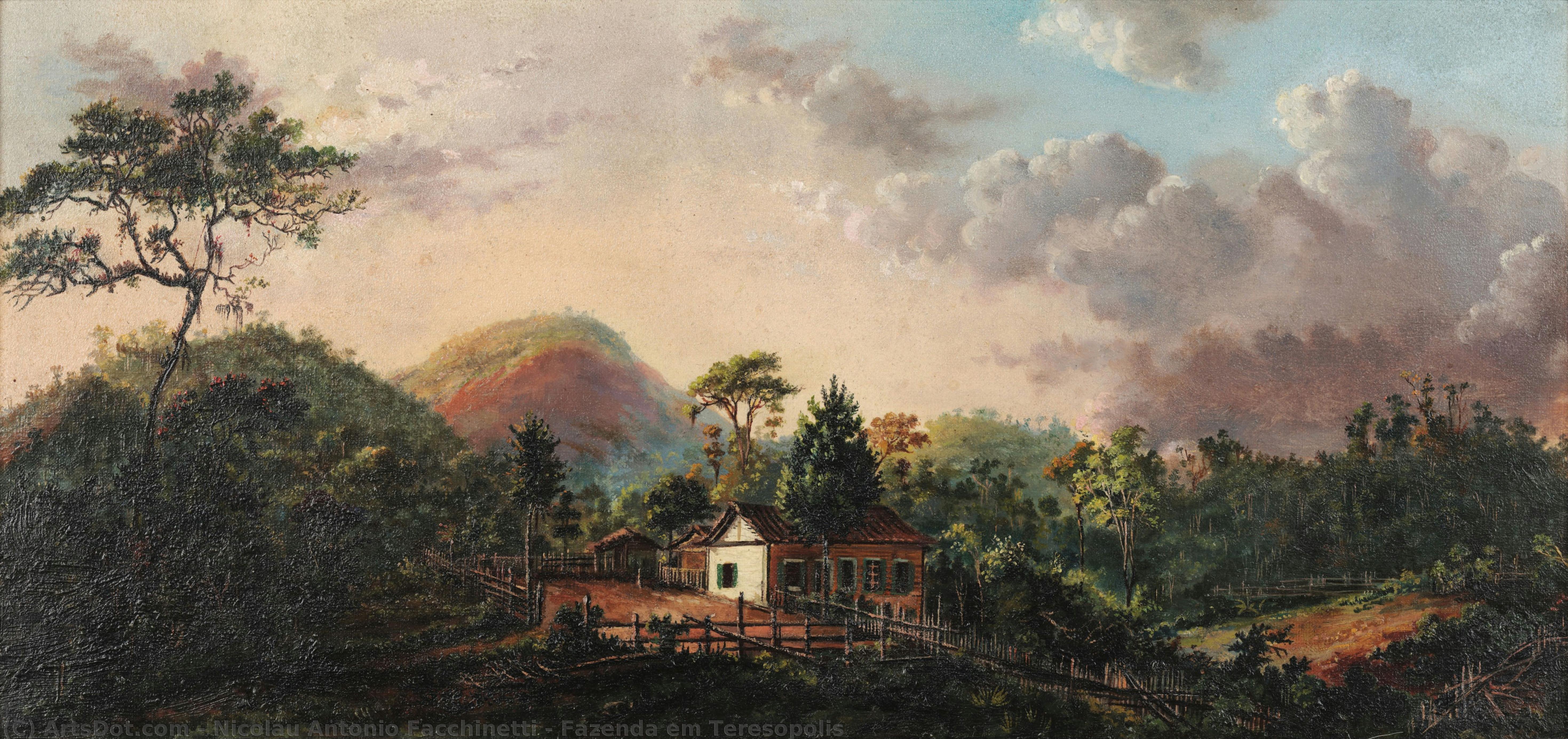
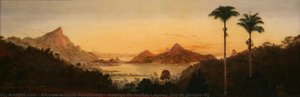
Fazenda em Teresópolis

 Read More
Giclée / Art Print
Museum-quality giclée or canvas print with fast production and flexible finish options. ( Buy Hand Made Painting Buy Image)




































Pick from our preset sizes that match the artwork's original proportions.

You may enter your own dimensions to fit a specific frame or space. If your selected size does not match the original image's proportions, we will either crop the artwork or extend the image with a mirrored or solid-fill edge. A digital mockup will be sent for your approval before production begins.
Please note that the on-screen preview does not reflect the actual cropping or extension. Only the mockup will accurately show the final composition.
While custom sizes are available, we recommend selecting a dimension from the predefined list to preserve the original proportions.
Worldwide Delivery () in 2 weeks instead of standard 4/5 weeks. (29 August)

Free Worldwide Express Shipping

High-Quality Linen Canvas

Full Shipping Insurance

Customs Tax Refund Guarantee

True Color Matching Guarantee

60-Day Return Policy (Defects Only)

100% Money-Back Guarantee

Bulk Discount Offer
 Glass option is only available in size under 110 CM

Fazenda em Teresópolis
Giclée / Art Print
Reproduction Size
-


Total Price
$ 63
Related Artworks









Artist Biography
Jean-Léon Gérôme: A Master of Grand Historical Scenes
Born in Vesoul, France, on May 11th, 1824, Jean-Léon Gérôme emerged as a pivotal figure in the mid-19th century art world. Initially trained by local artist Claude-Basile Cariage, his talent quickly propelled him to Paris where he honed his skills under the tutelage of Paul Delaroche and later Charles Gleyre. This early exposure to established artistic traditions laid the foundation for his distinctive style – a blend of academic precision and dramatic flair that would secure his place as one of the most commercially successful artists of his time, earning him the moniker “arguably the world’s most famous living artist by 1880.” Gérôme's career was marked by an unwavering dedication to historical painting, Orientalist scenes, portraits, and a remarkable ability to capture the grandeur and spectacle demanded by the era.
Gérôme’s artistic journey began with a fascination for classical art and the techniques of masters like Peter Paul Rubens. His early travels to Italy, Florence, Rome, and Pompeii profoundly influenced his understanding of composition, color, and human anatomy. These experiences fueled his ambition to depict historical events with meticulous detail and emotional resonance. He was particularly drawn to the dramatic narratives of antiquity and the exotic allure of the East, subjects that would dominate much of his oeuvre.
- Early Influences: Delaroche’s emphasis on theatrical lighting and narrative storytelling, combined with Rubens' dynamic brushwork and vibrant color palettes, shaped Gérôme’s artistic vision.
- Academic Training: His rigorous training at the École des Beaux-Arts instilled in him a deep respect for classical conventions and a commitment to technical mastery.
- Travels & Inspiration: Visits to Italy and the Near East provided him with invaluable source material, inspiring his depictions of ancient battles, mythological scenes, and Oriental life.
The Rise of Academic Grandeur
Gérôme’s artistic career coincided with a period of significant social and political change in France – the Second Empire under Napoleon III. This era witnessed a renewed interest in classical art and a demand for grand historical paintings that celebrated national pride and imperial power. Gérôme skillfully capitalized on this trend, producing works that were both visually stunning and politically astute. His paintings frequently depicted scenes of military heroism, aristocratic grandeur, and exotic landscapes – subjects designed to reinforce the values and ideals of the ruling elite.
His success was largely due to his ability to cater to the tastes of a discerning public. Gérôme’s works were widely reproduced as lithographs and engravings, making them accessible to a broad audience. This mass production further cemented his reputation as a popular artist, earning him considerable wealth and acclaim. He wasn't simply an artist; he was a commercial powerhouse, demonstrating a keen understanding of the market for art.
Major Works & Distinctive Style
Gérôme’s artistic output spanned a diverse range of subjects, but his most celebrated works are undoubtedly his historical paintings and Orientalist scenes. “The Raft of the Medusa” (1818-1819), depicting the aftermath of a shipwreck, remains one of his most powerful and emotionally charged creations. The painting’s harrowing depiction of human suffering and despair shocked audiences with its unflinching realism and challenged conventional notions of heroic narrative. Similarly, “The Landing of Phoenicians at Carthage” (1847) showcases his mastery of composition, color, and dramatic lighting, transporting viewers to a vibrant and chaotic scene from ancient history.
- “The Raft of the Medusa” (1818-1819): A harrowing depiction of survivors adrift after a shipwreck, highlighting themes of abandonment and despair.
- “The Landing of Phoenicians at Carthage” (1847): A meticulously rendered scene of ancient commerce and conflict, demonstrating Gérôme’s technical skill and dramatic flair.
- Orientalist Scenes: Works like “The Tuileries Promenade” (1862) capture the exotic beauty and cultural richness of the Middle East, reflecting his fascination with distant lands.
Legacy & Influence
Jean-Léon Gérôme’s impact on 19th-century art is undeniable. He was a leading figure in the academic tradition, upholding classical principles of composition, technique, and subject matter. However, his work also pushed the boundaries of historical painting, incorporating elements of realism and emotional intensity that were not always found in traditional works of this genre. His influence extended beyond his own generation, inspiring artists such as Mary Cassatt, Thomas Eakins, and Osman Hamdi Bey – a testament to his enduring artistic legacy.
Gérôme died in Paris on January 10th, 1904, leaving behind a vast body of work that continues to captivate audiences today. His paintings serve as windows into the past, offering glimpses of historical events and cultural landscapes – reminders of a time when grand narratives were used to shape national identity and celebrate human achievement.
nicolau antonio facchinetti
1824 - 1900 , Italy
Quick Facts
- Artistic Movement Or Style: Academicism, Orientalism
- Artists Or Movements Influenced By This Artist:
- Mary Cassatt
- Thomas Eakins
- Artists Who Influenced This Artist:
- Paul Delaroche
- Claude-Basile Cariage
- Date Of Birth: May 11, 1824
- Date Of Death: January 10, 1904
- Full Name: Jean-Léon Gérôme
- Nationality: French
- Notable Artworks:
- The Raft of the Medusa
- Charging Chasseur
- Pollice Verso
- Place Of Birth: Vesoul, France
![Enseada de Paquetá com Serra dos Órgãos ao fundo [Paquetá Bay with the Órgãos Mountains in the Background]](/media/artworks/images-thumb/5e/48/5e48b90323899df9a93b87b336d3a62d.jpg)

