

 Preview
 Send
Send Share
Share
 Details

 Download
 Similars
 X-Ray
X-Ray Diaporama
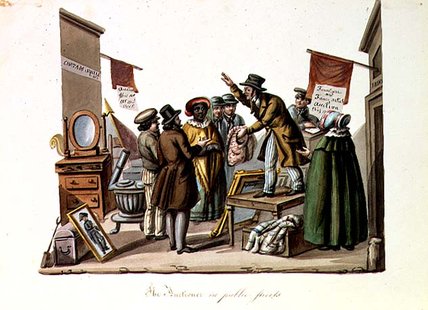
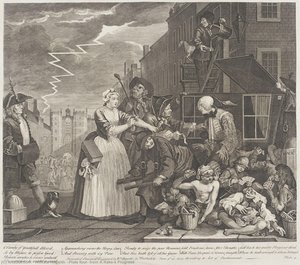
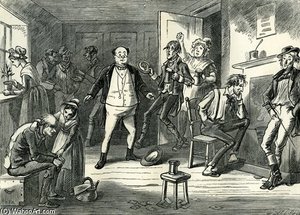
The Auctioner In Public Streets

 Read More
Purchase a high-resolution, enhanced digital image, far superior to the online preview.
Each file is meticulously prepared by our in-house specialists using advanced tools and expert manual retouching. We ensure every image has exceptional clarity, precise color accuracy, and fine detail.
The final file is delivered via email within 72 hours, optimized for immediate use in professional, editorial, and print environments. This is the same quality trusted by top-tier design studios, publishers, and galleries.
Digital Image
Download a high-resolution file for personal display, printing, and creative projects. ( Buy Print Buy Hand Made Painting)
Included in Every Digital Image Order
Expert Digital Delivery, Guaranteed
When you choose ArtsDot.com, you're not just getting an image - you're receiving a professionally enhanced digital artwork, crafted with precision and backed by a satisfaction guarantee. Here's everything that comes with your order, automatically:

Fast Email Delivery
Your high-resolution digital image file will be emailed to you within 72 hours of ordering - ready for immediate use.

AI-Enhanced Digital File
Your artwork is professionally optimized using advanced AI tools and manual editing, ensuring maximum detail, clarity, and color accuracy.

Free Lifetime Re-Delivery
Accidentally deleted or lost your file? No worries - we'll resend it to you anytime, free of charge.

No Import Fees - Ever
Enjoy your artwork instantly with zero customs, duties, or delivery fees - digital downloads are always tax-free.

Color Accuracy Guarantee
We ensure your digital image reflects the original colors as closely as possible using professional tools and color management.

60-Day Satisfaction Guarantee
If you're not satisfied with your digital image, we'll revise it or refund 100% within 60 days - no questions asked.

100% Money-Back Guarantee
Not satisfied? Get a full refund within 60 days of receiving your digital file - no questions asked.

Bulk Order Discounts
Buy 3 images, save 10% - Buy 5, save 15% - Buy 10+, save 20%. Great for creative projects, galleries, and agencies.
Related Artworks
Artist Biography
Early Life and Artistic Training
Nicolino Calyo (1799 – 9 December 1884) was born in Naples, Kingdom of Naples, into an aristocratic family descended from the Viscontes di Calyo of Calabria. His father, Giuseppe Calyo, served as a military officer, instilling in Nicolino a disciplined approach to learning and observation—traits that would profoundly shape his artistic career. From a young age, Calyo pursued formal training at the Naples Academy, immersing himself in the traditions of Neoclassical painting and honing his skills alongside fellow artists like Antonio Canale (called Canaletto) and Francesco Guardi. These formative influences established a bedrock of stylistic precision and topographical accuracy that would characterize his later work. The political turbulence of early nineteenth century Italy—marked by uprisings against Ferdinand I—provided a backdrop for Calyo’s intellectual development, fostering a spirit of engagement with social and political issues.Travels and Artistic Exploration
Driven by ambition and a desire for artistic opportunity, Calyo embarked on a restless journey across Europe following his graduation from the Academy. He visited Rome, Athens, Paris, Palermo, Granada, and Gibraltar, absorbing diverse cultural influences and refining his observational skills. These travels weren’t merely excursions; they were deliberate acts of research—Calyo meticulously sketched landscapes and urban scenes, documenting them with painstaking detail. His artistic explorations extended beyond mere visual representation; he sought to capture the essence of human experience within his paintings, reflecting a broader intellectual curiosity that distinguished him from many of his contemporaries. Notably, Calyo’s involvement in the unsuccessful 1820–21 revolt against Ferdinand I propelled him into exile, shaping his life trajectory and fostering connections with fellow Italian refugees—most notably Sir Frederick Ponsonby, governor of Malta.Migration to America and The Great Fire
In 1834, Calyo immigrated to Baltimore, Maryland, seeking a new environment for artistic endeavor and personal fulfillment. He established a studio there and quickly gained recognition as a painter, capitalizing on the burgeoning American art market. Recognizing the potential for innovation and collaboration, he partnered with his son John A. Calyo—a fellow artist—creating “N. Calyo & Son,” specializing in historical paintings and teaching instruction. The pivotal moment of Calyo’s artistic life arrived in December 1835 when the Great Fire ravaged New York City. Witnessing the devastation firsthand, he responded with a series of twenty-two gouache paintings that captured the urgency and drama of the event—works lauded for their stylistic fidelity to European traditions combined with an unprecedented level of observational accuracy. Two of his images were reproduced in aquatint by William James Bennett, cementing Calyo’s reputation as a chronicler of urban catastrophe. The New-York Historical Society holds two monumental gouaches depicting the fire, serving as enduring testaments to Calyo's artistic vision and historical significance.Later Career and Legacy
From 1838 until 1855, Calyo continued to exhibit his paintings in New York City directories—as a portrait painter, landscape artist, instructor, and businessman—demonstrating the breadth of his artistic pursuits. He cultivated connections with prominent European figures, including Napoleon III, fostering an international artistic community within his home. His involvement in the Mexican War inspired him to produce panoramic paintings documenting military campaigns. Calyo’s dedication to capturing the beauty and complexity of American landscapes extended beyond grand vistas; he meticulously rendered scenes of everyday life—particularly those depicting laborers—in watercolor and gouache, reflecting a humanist sensibility that resonated with audiences of his time. His series of watercolors entitled “Cries of New York” became an iconic representation of urban realism, establishing Calyo as one of the foremost artists documenting American society during the mid-nineteenth century. He died peacefully in New York City on December 9, 1884, leaving behind a legacy of artistic achievement and unwavering commitment to observation—a testament to the enduring power of classical training combined with an acute awareness of contemporary experience.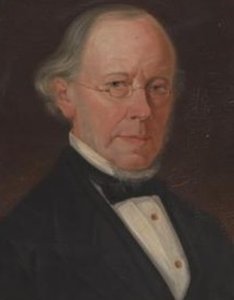
Nicolino Calyo
1799 - 1884 , Italy
Quick Facts
- Artistic Movement Or Style: Hudson River School
- Artists Who Influenced This Artist:
- Antonio Canale
- Francesco Guardi
- Date Of Death: 1884
- Full Name: Nicolino Vicompte Calyo
- Nationality: Italian-American
- Notable Artworks:
- The Auctioner In Public Streets
- Niagara Falls from Table Rock
- The Bay Of Naples With An American Frigate
- Cries of New York
- Place Of Birth: Naples, Italy

