 Preview
 Send
Send Share
Share
 Details

 Download
 Similars
 X-Ray
X-Ray Diaporama
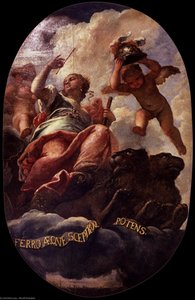
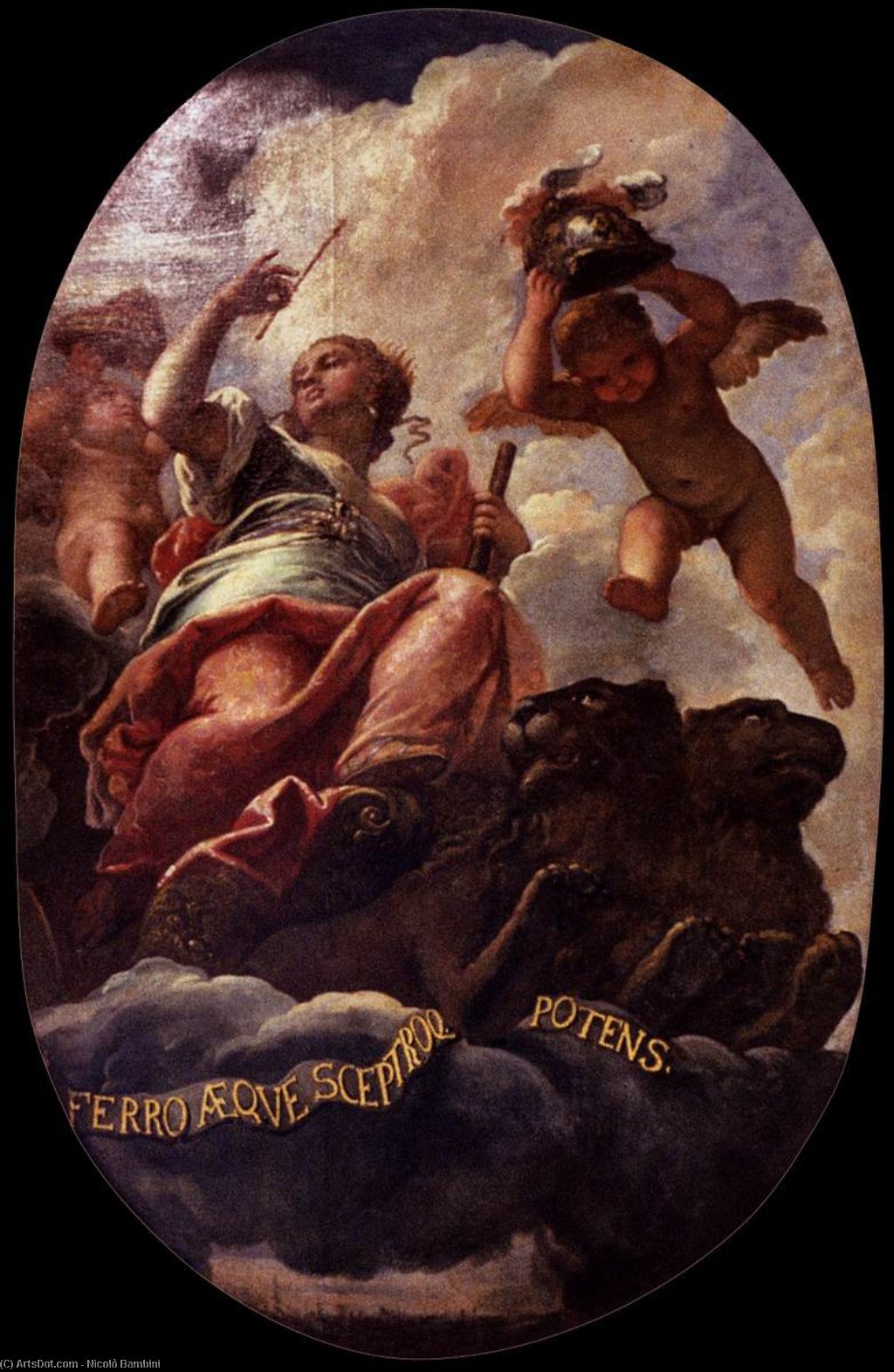
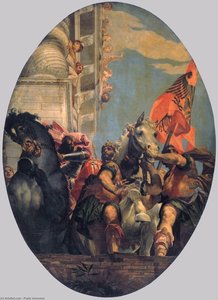
Triumph of Venice


 Read More
Hand Made Oil Reproduction
Hand-painted oil on canvas in your size and frame, made to order by our artists. ( Buy Print Buy Image)




































Pick from our preset sizes that match the artwork's original proportions.

You may enter your own dimensions to fit a specific frame or space. If your selected size does not match the original image's proportions, we will either crop the artwork or extend the painting with additional hand-painted elements. A digital mockup will be sent for your approval before production begins.
Please note that the on-screen preview does not reflect the actual cropping or extension. Only the mockup will accurately show the final composition.
While custom sizes are available, we recommend selecting a dimension from the predefined list to preserve the original proportions.
After order, ArtsDot.com team will email client for instructions and provide a mockup preview
Worldwide Delivery () in 3/4 weeks instead of standard 5 weeks. (25 August). No compromise on quality.

Free Worldwide Express Shipping

High-Quality Linen Canvas

Full Shipping Insurance

Customs Tax Refund Guarantee

True Color Matching Guarantee

60-Day Return Policy (Defects Only)

100% Money-Back Guarantee

Bulk Discount Offer
 Glass option is only available in size under 110 CM

Triumph of Venice
Reproduction Medium
Reproduction Size
-


Total Price
$ 263
Related Artworks

Artist Biography
The Venetian Visionary: The Life and Art of Nicolò Bambini
In the luminous, water-bound splendor of late 17th-century Venice, a period defined by the transition from the late Renaissance to the theatrical heights of the Baroque, Nicolò Bambini emerged as a master of narrative and allegory. Born in Venice around 1651, Bambini was a painter whose brush captured not just the physical reality of his era, but its profound spiritual and political aspirations. His journey began in the heart of the Venetian tradition, where he first studied under Giulio Mazzoni, laying the groundwork for a career that would eventually weave together the classical elegance of Italy with the dramatic, sweeping compositions characteristic of the Baroque movement.
Bambini’s artistic evolution was shaped by his travels and the diverse masters he encountered. While his roots were firmly planted in Venetian soil, his pilgrimage to Rome proved transformative. In the Eternal City, he became a pupil of Carlo Maratti, a giant of the Roman Baroque. This exposure to the Roman school introduced a refined sense of classical structure and a more polished, academic approach to figure painting. Upon returning to Venice, Bambini demonstrated a remarkable ability to synthesize these influences; he adopted the vibrant, light-filled sensibilities of his homeland while integrating the sophisticated, monumental style of Rome. His work often reflected the prevailing trends of his time, such as the popularity of the painter Liberi, yet he maintained a distinct voice that avoided mere imitation.
Allegory, Emotion, and the Grandeur of Venice
The true essence of Bambini’s genius lies in his mastery of allegorical painting—the art of using symbolic figures to convey complex moral, philosophical, or political truths. He possessed a rare ability to transform architectural spaces into celestial stages. His monumental frescoes and ceiling paintings were designed to inspire awe, guiding the viewer's eye through swirling clouds, divine light, and meticulously rendered human forms. Whether decorating the halls of the Ducal Palace or the ceilings of sacred churches, his work served as a visual bridge between the earthly and the divine.
His repertoire was as diverse as it was technically demanding:
- The Triumph of Venice: A profound expression of civic pride, where he utilized grand compositions to celebrate the enduring strength and glory of the Venetian Republic.
- Sacred Narratives: In works such as The Adoration of the Magi in St. Zaccaria, Bambini showcased his ability to handle intense emotional depth and complex group dynamics within a religious context.
- Architectural Decorations: His skill extended to large-scale decorative programs, including the ceiling of the church of S. Moisè and the library hall of the bishop's palace in Udine, where he mastered the integration of painting with architectural perspective.
As his career progressed into his later years, Bambini’s style moved toward a more fluid and luminous approach, drawing closer to the works of Sebastiano Ricci. This stylistic shift, characterized by a softer touch and an even greater emphasis on light, allowed him to participate in the burgeoning Rococo sensibilities that would soon follow. His legacy is not merely found in individual canvases, but in the very atmosphere of Venetian churches and palaces, where his hand continues to evoke the grandeur of a vanished Golden Age.
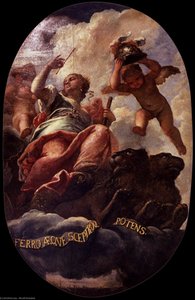
nicolò bambini
1651 - 1736 , Italy
Quick Facts
- Artistic Movement Or Style: Baroque art
- Artists Who Influenced This Artist:
- Gian Lorenzo Bernini
- Peter Paul Rubens
- Date Of Birth: 1651
- Full Name: nicolò bambini
- Nationality: Italian
- Notable Artworks:
- Portrait of Giovanni Battista Falconieri
- Allegory of Virtue
- Place Of Birth: Venice, Italy