 Preview
 Send
Send Share
Share
 Details

 Download
 Similars
 X-Ray
X-Ray Diaporama
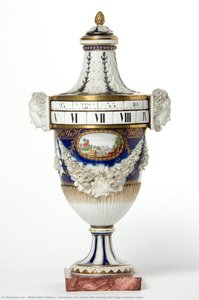
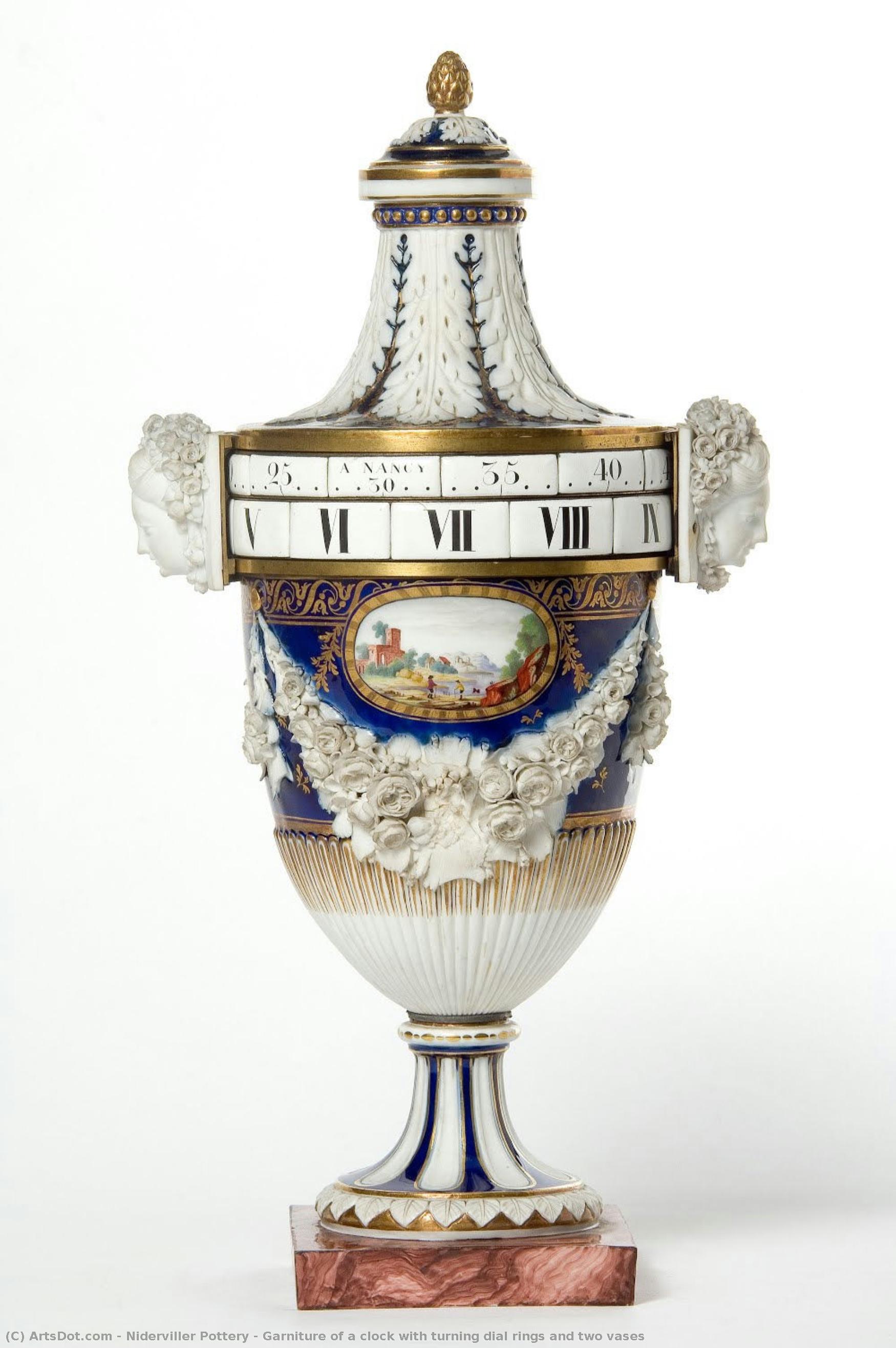
Garniture of a clock with turning dial rings and two vases


 Read More
Giclée / Art Print
Museum-quality giclée or canvas print with fast production and flexible finish options. ( Buy Hand Made Painting Buy Image)




































Pick from our preset sizes that match the artwork's original proportions.

You may enter your own dimensions to fit a specific frame or space. If your selected size does not match the original image's proportions, we will either crop the artwork or extend the image with a mirrored or solid-fill edge. A digital mockup will be sent for your approval before production begins.
Please note that the on-screen preview does not reflect the actual cropping or extension. Only the mockup will accurately show the final composition.
While custom sizes are available, we recommend selecting a dimension from the predefined list to preserve the original proportions.
Worldwide Delivery () in 2 weeks instead of standard 4/5 weeks. (1 September)

Free Worldwide Express Shipping

High-Quality Linen Canvas

Full Shipping Insurance

Customs Tax Refund Guarantee

True Color Matching Guarantee

60-Day Return Policy (Defects Only)

100% Money-Back Guarantee

Bulk Discount Offer
 Glass option is only available in size under 110 CM

Garniture of a clock with turning dial rings and two vases
Giclée / Art Print
Reproduction Size
-


Total Price
$ 63
Related Artworks




Artist Biography
Niderviller Pottery: A Legacy of Magenta and Innovation
Niderviller pottery stands as a testament to Lorraine’s rich ceramic heritage, emerging from humble beginnings in 1735 and enduring into the present day. Founded by Anne-Marie André and Mathias Lesprit, initially driven by economic necessity – transforming local forests and quarries into profitable ventures – the factory quickly gained renown for its distinctive faience production, capitalizing on Saxon expertise and defying Sèvres’s monopoly. This early success was cemented by Baron Jean Louis de Beyerlé, who championed porcelain craftsmanship and established a celebrated workshop in Strasbourg, furthering Niderviller's reputation as a beacon of artistic excellence.The Flowering of Faience: Three Distinct Periods
The first period (1735-1756) witnessed Niderviller’s mastery of tin-glazed earthenware – faience – characterized by its delicate glaze and vibrant magenta hues. Mathias Lesprit's innovative techniques, combined with the influence of Saxon artisans, resulted in breathtaking floral motifs and landscapes that captured the spirit of the era. The second period (1756-1791), marked by Baron Beyerlé’s leadership, ushered in the production of hard-paste porcelain, a monumental achievement reflecting European advancements in ceramic science. This breakthrough demanded new materials—kaolin from Saxony—and fostered collaborations with luminaries like François Antoine Anstette, establishing Niderviller as a pioneer in porcelain artistry. The third period (1791-present) reaffirmed Niderviller’s commitment to faience, adapting to the turbulent political landscape of the Napoleonic era and continuing to produce exceptional pieces adorned with bold magenta accents.A Palette Defined by Magenta
What truly distinguishes Niderviller pottery is its unwavering devotion to magenta – a color that permeated its decorative repertoire across all three periods. This deliberate choice wasn’t merely aesthetic; it symbolized Lorraine’s cultural identity and reflected the factory's commitment to upholding traditions while embracing innovation. The magenta hue, achieved through meticulous glaze formulations, became synonymous with Niderviller’s artistic vision, elevating its creations beyond mere utilitarian objects into symbols of beauty and craftsmanship.Beyond Decoration: Technique and Legacy
The factory’s enduring success stems from a profound understanding of ceramic technique—particularly the mastery of “petit feu” firing – which produced porcelain with unparalleled brilliance and translucency. Joseph Seeger's contribution solidified Niderviller’s reputation as a center for excellence, attracting skilled artisans and fostering a culture of experimentation. Today, Niderviller continues to honor its heritage, upholding traditions established centuries ago while embracing modern advancements in production methods. Its legacy lives on not only in the exquisite faience and porcelain adorning museums worldwide but also in the enduring spirit of innovation that defines its artistic identity.Notable Works: Garniture of a Clock with Turning Dial Rings and Two Vases
A striking example of Niderviller’s artistry is “Garniture of a clock with turning dial rings and two vases,” showcasing the factory's ability to blend decorative elegance with functional precision. This piece exemplifies the vibrant magenta hues characteristic of Niderviller’s oeuvre, demonstrating its commitment to capturing natural beauty in porcelain form. Its intricate design reflects the influence of Cyfflé’s style—a testament to Niderviller’s enduring connection to artistic heritage.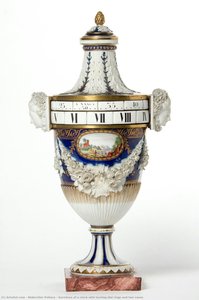
niderviller pottery
1735 - , France
Quick Facts
- Artistic Movement Or Style: Faience & Hard-paste porcelain
- Artists Or Movements Influenced By This Artist: ['Sèvres porcelain']
- Artists Who Influenced This Artist: ['Baron Jean Louis de Beyerlé']
- Date Of Birth: 1735
- Date Of Death: Living
- Full Name: niderviller pottery
- Nationality: French
- Notable Artworks: ['Garniture of a clock with turning dial rings and two vases']
- Place Of Birth: Niedervillers, France