 Preview
 Send
Send Share
Share
 Details

 Download
 Similars
 X-Ray
X-Ray Diaporama
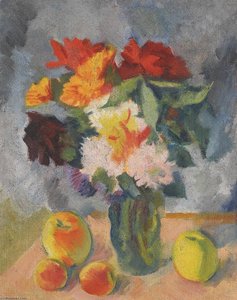
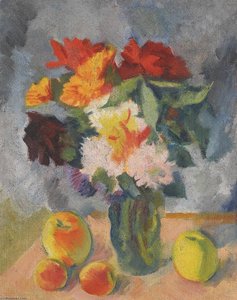
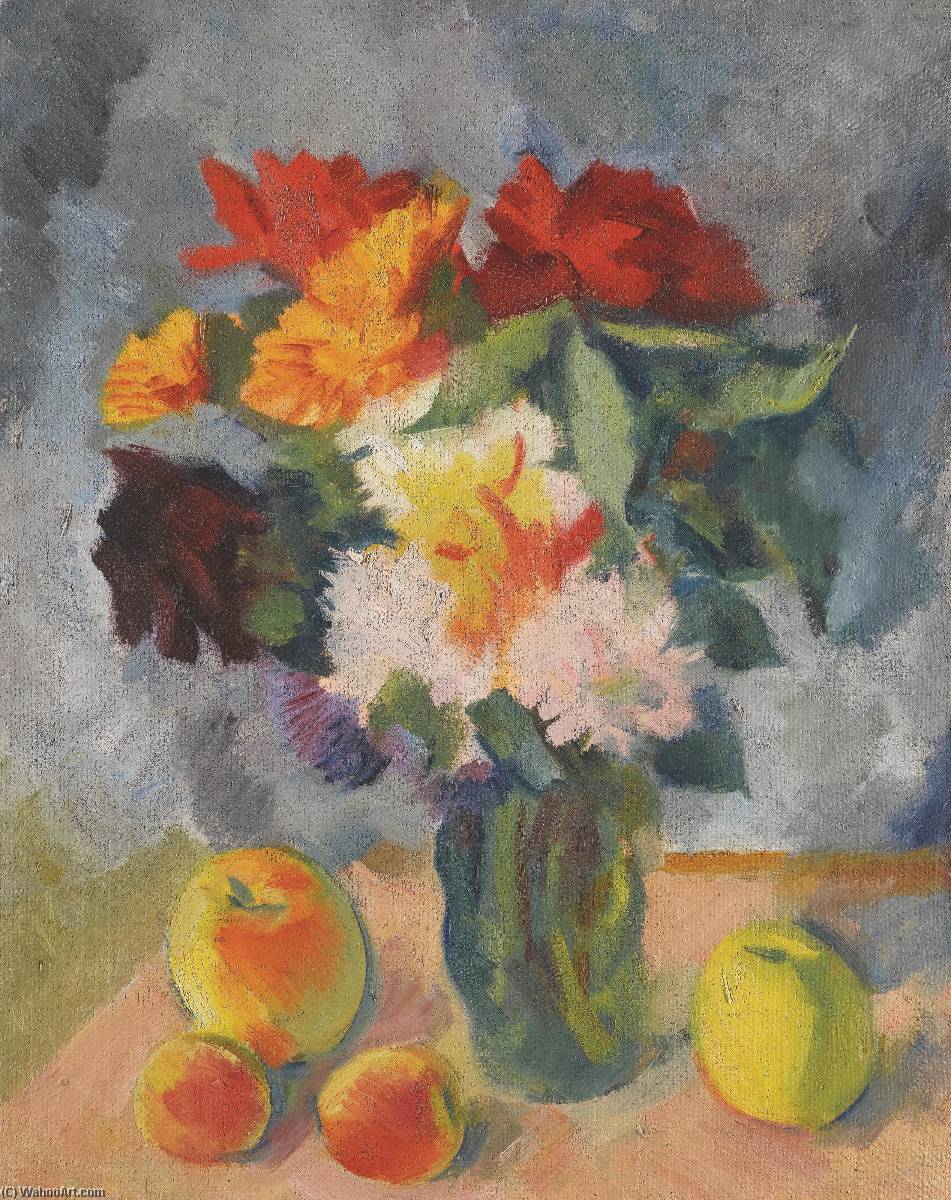
Flowers and Apples
 Read More
Hand Made Oil Reproduction
Hand-painted oil on canvas in your size and frame, made to order by our artists. ( Buy Print Buy Image)




































Pick from our preset sizes that match the artwork's original proportions.

You may enter your own dimensions to fit a specific frame or space. If your selected size does not match the original image's proportions, we will either crop the artwork or extend the painting with additional hand-painted elements. A digital mockup will be sent for your approval before production begins.
Please note that the on-screen preview does not reflect the actual cropping or extension. Only the mockup will accurately show the final composition.
While custom sizes are available, we recommend selecting a dimension from the predefined list to preserve the original proportions.
After order, ArtsDot.com team will email client for instructions and provide a mockup preview
Worldwide Delivery () in 3/4 weeks instead of standard 5 weeks. (23 August). No compromise on quality.

Free Worldwide Express Shipping

High-Quality Linen Canvas

Full Shipping Insurance

Customs Tax Refund Guarantee

True Color Matching Guarantee

60-Day Return Policy (Defects Only)

100% Money-Back Guarantee

Bulk Discount Offer
 Glass option is only available in size under 110 CM

Flowers and Apples
Reproduction Medium
Reproduction Size
-


Total Price
$ 263
Related Artworks









Artist Biography
The Quiet Realism of Nikolai Andreevich Tyrsa: A Life Painted in Light and Shadow
Nikolai Andreevich Tyrsa (born in Sochi, Russia) is a name that resonates with the subtle power of Soviet-era realism. While not as widely celebrated in the West as some of his contemporaries, within Russia and among collectors familiar with the nuances of 20th-century art, Tyrsa occupies a significant position. His canvases are not filled with grand revolutionary pronouncements or dramatic historical scenes; instead, they offer intimate glimpses into everyday life, rendered with a meticulous attention to detail and a profound understanding of light and atmosphere. Tyrsa’s work is characterized by a quiet dignity, a sense of contemplative stillness that invites the viewer to pause and reflect on the beauty found in ordinary moments. His artistic journey began during a period of immense social and political upheaval, shaping his aesthetic sensibilities and influencing the themes he would explore throughout his career. He wasn't an artist who sought to shock or challenge; rather, he aimed to capture the essence of existence, the fleeting emotions and subtle narratives woven into the fabric of Soviet society.Early Life and Artistic Formation
Born in the Black Sea resort city of Sochi, Tyrsa’s early life was steeped in the natural beauty of the Caucasus region. This environment undoubtedly played a crucial role in his development as an artist, fostering a deep appreciation for landscape and color. While specific details regarding his formal artistic training remain somewhat scarce – documentation from that period is often incomplete – it's known he received instruction at local art schools before pursuing more advanced studies in Moscow. The influence of the realist tradition was paramount during this formative phase. The rigorous academic approach emphasized technical skill, precise observation, and a commitment to representing the world as it appeared. This foundation would become the hallmark of Tyrsa’s style. He absorbed the lessons of masters like Ilya Repin and Vasily Surikov, artists who had established realism as the dominant aesthetic force in Russian painting. However, Tyrsa wasn't merely a copyist; he possessed an innate sensitivity that allowed him to infuse his work with a unique personal vision. The early works demonstrate a clear aptitude for portraiture, capturing the likenesses of friends and family with remarkable accuracy and psychological depth.Themes and Techniques: A Celebration of Soviet Life
Tyrsa’s oeuvre is remarkably consistent in its thematic focus. He primarily depicted scenes from everyday life – interiors, portraits of workers and intellectuals, still lifes featuring fruits, flowers, and domestic objects. His paintings offer a window into the material culture of the Soviet Union, showcasing the simple pleasures and modest comforts enjoyed by ordinary citizens. “Flowers and Apples”, one of his most recognizable works, exemplifies this approach. The composition is deceptively simple: a bowl of fruit bathed in soft light, yet it conveys a sense of abundance, warmth, and quiet contentment. His technique is characterized by meticulous brushwork, subtle gradations of color, and a masterful use of chiaroscuro – the interplay of light and shadow. He often employed a limited palette, favoring earthy tones and muted hues that create a harmonious and understated effect. This deliberate restraint allows the subject matter to take center stage, emphasizing its inherent beauty and dignity. He wasn’t interested in grand narratives or ideological statements; his focus was on capturing the essence of human experience, the small moments that define our lives. His portraits, while realistic in their depiction of physical features, also reveal a deep understanding of psychology, conveying the inner thoughts and emotions of his subjects.Historical Context and Artistic Significance
Tyrsa’s artistic career unfolded during a complex period in Russian history – from the Stalinist era through the Khrushchev Thaw and beyond. The official aesthetic doctrine of Socialist Realism demanded that art serve the interests of the state, promoting idealized images of Soviet life and celebrating the achievements of the working class. While Tyrsa adhered to the basic principles of realism, his work often transcended mere propaganda. He avoided overt political messaging, focusing instead on universal themes of human connection, beauty, and dignity. This subtle approach allowed him to navigate the constraints of the Soviet system while maintaining his artistic integrity. His paintings were exhibited in numerous state-sponsored exhibitions, earning him recognition among art critics and collectors. However, he remained largely unknown outside of Russia for many years. In recent decades, there has been a growing appreciation for Tyrsa’s work, as scholars and collectors have begun to recognize the unique qualities of his style and the historical significance of his oeuvre. His paintings offer valuable insights into the everyday life of Soviet citizens, providing a counterpoint to the often-idealized images promoted by official propaganda.- He represents a quieter side of Soviet realism.
- His work provides a glimpse into the material culture of the era.
- Tyrsa’s paintings are valued for their technical skill and psychological depth.