

 Preview
 Send
Send Share
Share
 Details

 Download
 Similars
 X-Ray
X-Ray Diaporama
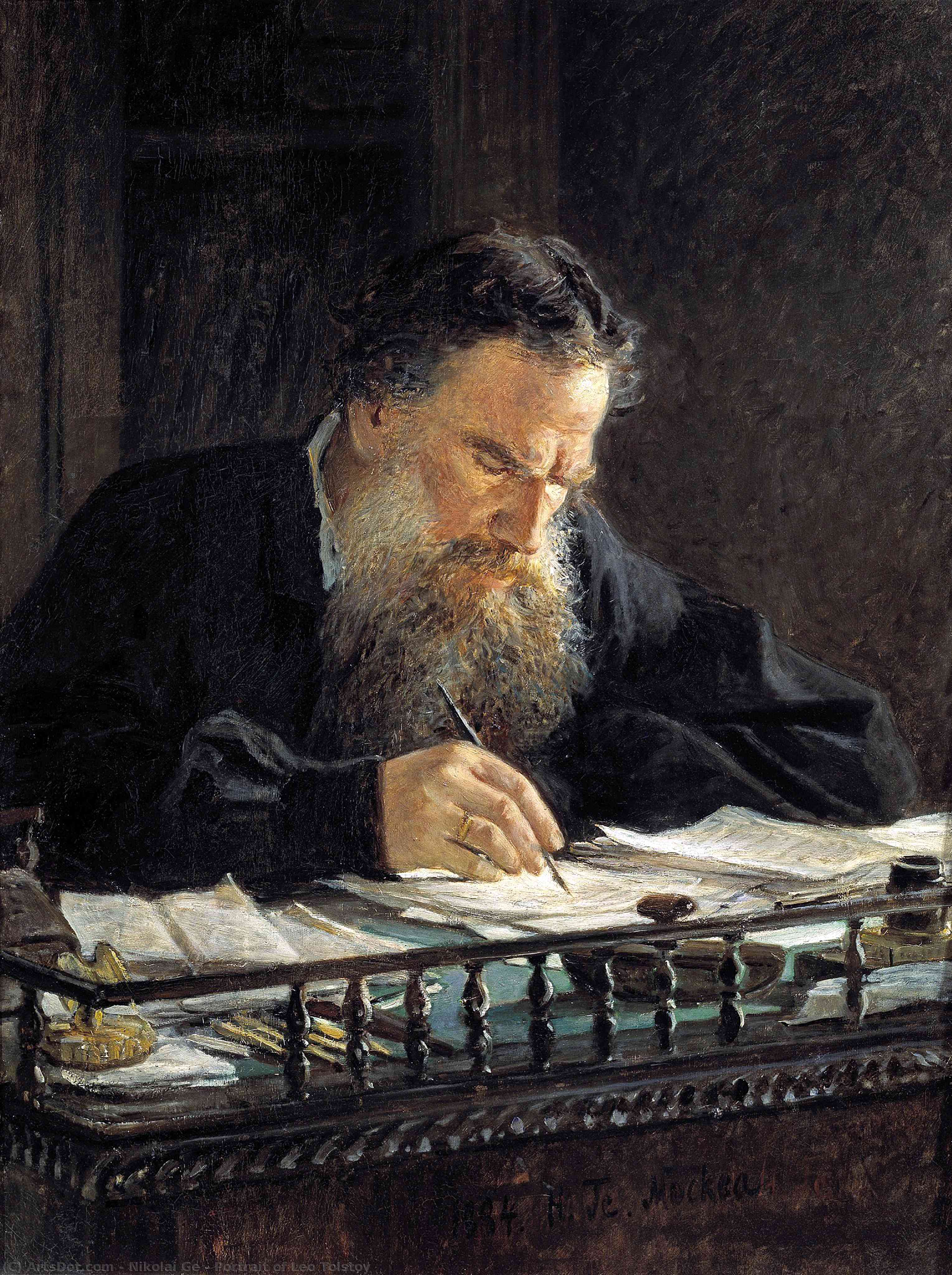
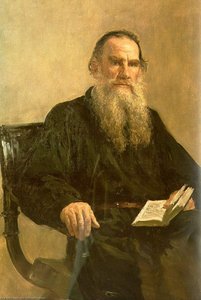
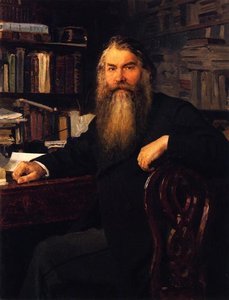
Portrait of Leo Tolstoy


 Read More
Purchase a high-resolution, enhanced digital image, far superior to the online preview.
Each file is meticulously prepared by our in-house specialists using advanced tools and expert manual retouching. We ensure every image has exceptional clarity, precise color accuracy, and fine detail.
The final file is delivered via email within 72 hours, optimized for immediate use in professional, editorial, and print environments. This is the same quality trusted by top-tier design studios, publishers, and galleries.
Digital Image
Download a high-resolution file for personal display, printing, and creative projects. ( Buy Print Buy Hand Made Painting)
Included in Every Digital Image Order
Expert Digital Delivery, Guaranteed
When you choose ArtsDot.com, you're not just getting an image - you're receiving a professionally enhanced digital artwork, crafted with precision and backed by a satisfaction guarantee. Here's everything that comes with your order, automatically:

Fast Email Delivery
Your high-resolution digital image file will be emailed to you within 72 hours of ordering - ready for immediate use.

AI-Enhanced Digital File
Your artwork is professionally optimized using advanced AI tools and manual editing, ensuring maximum detail, clarity, and color accuracy.

Free Lifetime Re-Delivery
Accidentally deleted or lost your file? No worries - we'll resend it to you anytime, free of charge.

No Import Fees - Ever
Enjoy your artwork instantly with zero customs, duties, or delivery fees - digital downloads are always tax-free.

Color Accuracy Guarantee
We ensure your digital image reflects the original colors as closely as possible using professional tools and color management.

60-Day Satisfaction Guarantee
If you're not satisfied with your digital image, we'll revise it or refund 100% within 60 days - no questions asked.

100% Money-Back Guarantee
Not satisfied? Get a full refund within 60 days of receiving your digital file - no questions asked.

Bulk Order Discounts
Buy 3 images, save 10% - Buy 5, save 15% - Buy 10+, save 20%. Great for creative projects, galleries, and agencies.
The Artist and His Subject
Nikolai Ge was a Russian painter known for his realistic style, which is evident in this portrait. He met Leo Tolstoy in 1882 and became deeply influenced by the writer's philosophical and moral teachings. This encounter led to a series of works dedicated to Tolstoy, including the Portrait of Leo Tolstoy.The Painting
The painting depicts Tolstoy seated at his desk in his Moscow office, surrounded by papers and books. The setting is simple yet evocative, with a focus on the writer's intense concentration. Ge masterfully captures the play of light on Tolstoy's face, highlighting his prominent features and conveying a sense of deep contemplation.Artistic Style
Ge's use of realism in this painting allows for a detailed and lifelike representation of Tolstoy. The brushwork is precise, and the colors are muted yet effective in creating a sense of warmth and intimacy. This style was characteristic of Ge's work during his later period, where he focused on capturing the essence of his subjects through everyday settings.Historical Context
The Portrait of Leo Tolstoy was painted in 1884, a significant year for both Ge and Tolstoy. Tolstoy was working on his treatise "My Faith," which reflects the philosophical themes that influenced Ge's art during this period.Reception and Legacy
The portrait was acquired by Pavel Tretyakov for his gallery in 1891, where it joined other notable portraits of Tolstoy. Despite initial reservations about Ge's work, the painting received positive feedback from followers of Tolstoy's teachings, who found it to be a true likeness of the writer.Conclusion
The Portrait of Leo Tolstoy by Nikolai Ge is a masterpiece that not only captures the image of a literary giant but also reflects the artistic and philosophical currents of late 19th-century Russia. It stands as a testament to the enduring legacy of both Ge and Tolstoy, offering a glimpse into the world of Russian Realism and the profound impact of Tolstoy's writings. For those interested in exploring more works by Nikolai Ge or other artists featured on ArtsDot.com, please visit: - Nikolai Ge: Portrait of Leo Tolstoy - Vincent Van Gogh: Portrait of an Old Peasant To learn more about the artists and their works, visit Wikipedia: - Nikolai Ge - Leo TolstoyRelated Artworks
Artist Biography
Nikolai Ge: A Life Dedicated to Art and Philosophy
- Born: Voronezh, Russia (1831)
- Died: 1894
- Nationality: Russian, Ukrainian
- Artistic Movement: Realism, Early Russian Symbolism
Nikolai Nikolaevich Ge (1831-1894) stands as a significant figure in Russian art history. Born into a noble family of French origin, his life was marked by intellectual pursuits and artistic dedication. Initially destined for a career in science, studying physics and mathematics at Kiev University and Saint Petersburg University, Ge dramatically shifted course in 1850 to pursue painting at the Imperial Academy of Arts in Saint Petersburg. This decision would shape not only his own destiny but also contribute significantly to the evolving landscape of Russian art.
Early Training and Influences
- Academy Years: Ge studied under master painter Pyotr Basin at the Imperial Academy of Arts, receiving a gold medal in 1857 for "The Witch of Endor Invoking the Spirit of the Prophet Samuel."
- Karl Bryullov's Influence: During his early years, Ge was profoundly influenced by Karl Bryullov, a leading Russian academic painter.
- European Travels: A scholarship awarded after graduation enabled him to travel through Germany, Switzerland, and France, broadening his artistic horizons.
- Alexander Andreyevich Ivanov's Impact: In Rome, he encountered Alexander Andreyevich Ivanov, whose work became a strong influence on Ge’s future style and thematic choices.
Ge's early works demonstrated a mastery of academic technique while hinting at the deeper philosophical explorations that would characterize his later career. His travels exposed him to diverse artistic approaches, further refining his skills and shaping his unique vision.
Pioneering Use of Photography and Controversial Works
- "The Last Supper": In 1861, Ge painted "The Last Supper," controversially utilizing a photograph by Sergei Lvovich Levitsky of Aleksandr Ivanovich Herzen as the model for Christ.
- Materialism and Nihilism Controversy: The painting's realism and reliance on photography sparked considerable debate, with some critics accusing it of promoting materialism and nihilism. This marked an early instance of photography’s influence on fine art.
- Professor at the Imperial Academy: Despite the controversy, "The Last Supper" made a strong impression, leading to Ge's appointment as a professor at the Imperial Academy of Arts in 1863.
- Historical Paintings and Tolstoy's Portrait: He painted portraits including Alexander Herzen and later Leo Tolstoy.
Ge’s willingness to incorporate photography into his artistic process was groundbreaking, foreshadowing its future role in art. The controversy surrounding "The Last Supper" highlighted the changing cultural landscape of 19th-century Russia and the challenges faced by artists pushing boundaries.
Later Years: Religious Themes and Philosophical Alignment
- Return to Historical Subjects: Ge turned to Russian history, achieving success with “Peter the Great Interrogates Tsarevich Alexei at Peterhof” (1871).
- Tolstoy's Influence: He became acquainted with Leo Tolstoy and embraced his philosophy, influencing his later artistic choices.
- Religious Paintings and Criticism: Ge returned to religious subjects in the 1880s, but his interpretations were often criticized for illustrating Ernest Renan rather than traditional biblical narratives. Works like "Quid Est Veritas? Christ and Pilate" (1890) faced censorship.
- Commitment to Accessibility: He famously agreed to paint portraits for whatever commission the subject could afford, believing everyone deserved a portrait.
In his later years, Ge’s work became increasingly focused on religious and philosophical themes, reflecting his alignment with Tolstoy's ideals. Despite facing censorship and criticism, he remained committed to exploring profound questions about faith, truth, and humanity.
Legacy and Rediscovery
- Lost Works: Many of Ge’s works were bequeathed to his Swiss benefactress, Beatrice de Vattville, but disappeared after her death in 1952.
- Rediscovered Drawings: In 1974, drawings by Ge were rediscovered in Swiss second-hand stores.
- Return to Russia: After lengthy negotiations, a significant collection of his works was acquired by the Tretyakov Gallery and returned to Russia in 2011.
Despite periods of obscurity, Nikolai Ge’s artistic legacy has been reevaluated in recent decades. His pioneering use of photography, his exploration of complex philosophical themes, and his commitment to portraying humanity with both realism and depth continue to resonate with audiences today.
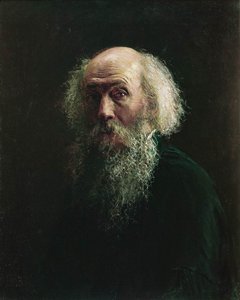
Nikolai Ge
1831 - 1894 , Russia
Quick Facts
- Artistic Movement Or Style: Realism, Symbolism
- Artists Who Influenced This Artist:
- Karl Bryullov
- Alexander Andreyevich Ivanov
- Date Of Birth: February 27, 1831
- Date Of Death: June 13, 1894
- Full Name: Nikolai Ge
- Nationality: Russian
- Notable Artworks:
- The Witch of Endor
- Last Supper
- Peter the Great Interrogates
- Quid Est Veritas?
- Golgotha
- Portrait of Tolstoy
- Place Of Birth: Voronezh, Russia

