 Preview
 Send
Send Share
Share
 Details

 Download
 Similars
 X-Ray
X-Ray Diaporama
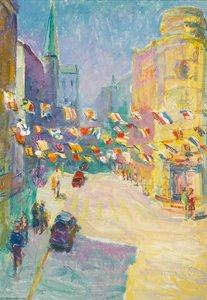
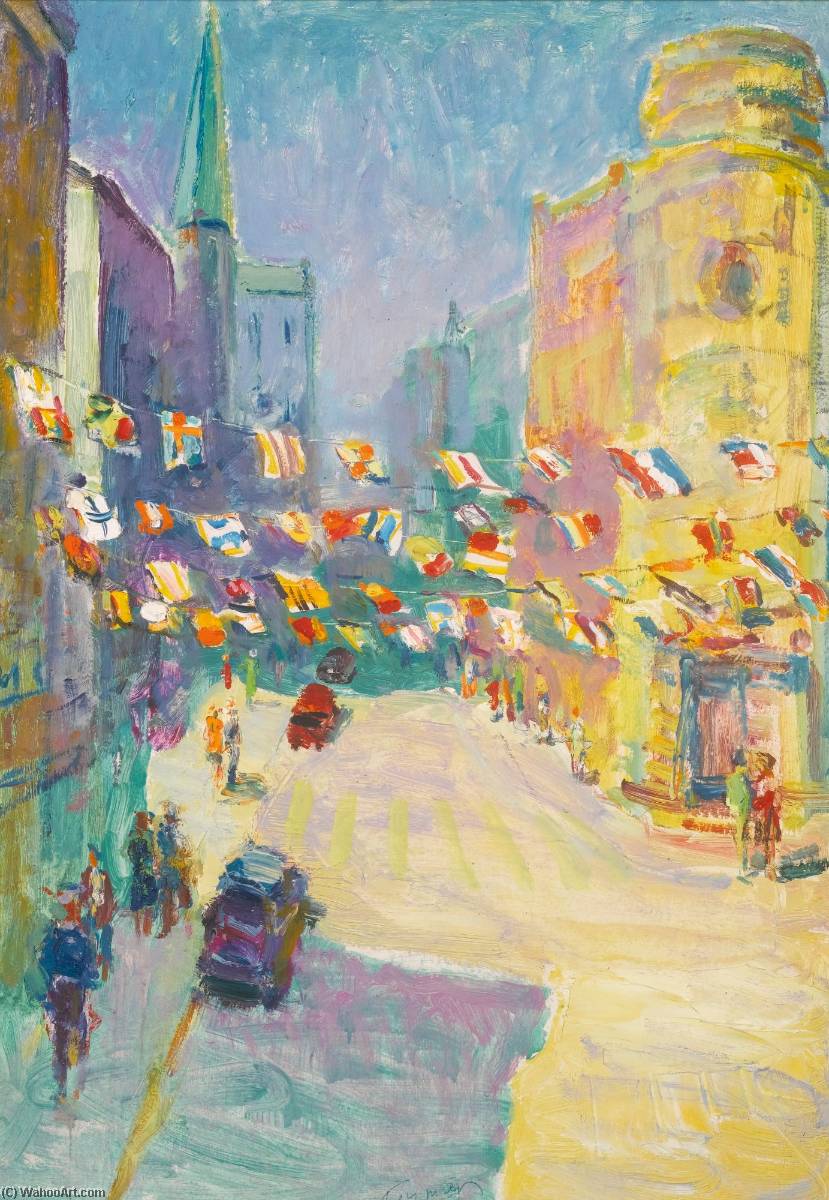
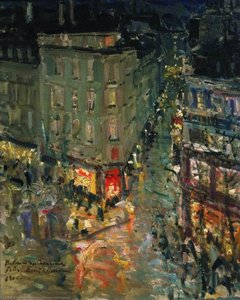
Malvich Street
 Read More
Hand Made Oil Reproduction
Hand-painted oil on canvas in your size and frame, made to order by our artists. ( Buy Print Buy Image)




































Pick from our preset sizes that match the artwork's original proportions.

You may enter your own dimensions to fit a specific frame or space. If your selected size does not match the original image's proportions, we will either crop the artwork or extend the painting with additional hand-painted elements. A digital mockup will be sent for your approval before production begins.
Please note that the on-screen preview does not reflect the actual cropping or extension. Only the mockup will accurately show the final composition.
While custom sizes are available, we recommend selecting a dimension from the predefined list to preserve the original proportions.
After order, ArtsDot.com team will email client for instructions and provide a mockup preview
Worldwide Delivery () in 3/4 weeks instead of standard 5 weeks. (23 August). No compromise on quality.

Free Worldwide Express Shipping

High-Quality Linen Canvas

Full Shipping Insurance

Customs Tax Refund Guarantee

True Color Matching Guarantee

60-Day Return Policy (Defects Only)

100% Money-Back Guarantee

Bulk Discount Offer
 Glass option is only available in size under 110 CM

Malvich Street
Reproduction Medium
Reproduction Size
-


Total Price
$ 263
Related Artworks


Artist Biography
Nikolai Glushchenko: Bridging Impressionism and Soviet Intelligence
Born in Novomoskovsk, Ukraine, in 1901, Nikolai Petrovich Glushchenko’s life was a fascinating tapestry woven from artistic passion, international intrigue, and the quiet observation of the Russian landscape. Initially rooted in the burgeoning realist traditions of his homeland, Glushchenko's career trajectory took an unexpected turn, revealing a complex individual deeply embedded within the shifting currents of 20th-century Europe – a secret agent for the Soviet Union during World War II. His legacy rests not only on his captivating paintings but also on the remarkable duality of his existence.
Glushchenko’s early artistic development was profoundly shaped by his formative years in Berlin and Paris. Following graduation from a commercial school, he enrolled at the prestigious School-Studio of Hans Baluschek, absorbing the principles of Neue Sachlichkeit – New Objectivity – a German movement characterized by its precise rendering of reality and rejection of emotionalism. This period instilled in him a meticulous approach to observation and composition. However, it was his time in Paris that truly ignited his artistic spirit. Surrounded by the vibrant energy of the Impressionist movement, he encountered the works of masters like Claude Monet, Edgar Degas, and Vincent van Gogh, absorbing their techniques of capturing light, color, and fleeting moments. This exposure led to a shift towards a more lyrical and expressive style, evident in his later landscapes.
The Dual Life: Artist and Agent
Glushchenko’s life took an extraordinary turn during the turbulent years of World War II. Recognizing his artistic connections and fluency in multiple languages, he was recruited by Soviet intelligence to operate as a secret agent within Germany. His mission was multifaceted – to gather information about the German art scene, assess its potential propaganda value, and ultimately, provide early warnings about impending military threats. This clandestine activity unfolded largely beneath the surface of his public life as an artist, adding a layer of intrigue to his already complex persona.
Perhaps the most remarkable episode in this period occurred in 1940 when he was tasked with organizing two parallel exhibitions: one showcasing German art in Moscow and the other, Soviet art in Berlin. During the opening reception at the Berlin exhibition, Joachim von Ribbentrop, the German Foreign Minister, personally recognized Glushchenko’s talent, presenting him with an album of his watercolor studies as a token of appreciation. This gesture was not merely polite; it underscored the strategic value placed on Glushchenko's unique position – a respected artist within the heart of Nazi Germany. The album, containing sketches and watercolors depicting scenes from Berlin life, became a crucial intelligence asset for the Soviet Union.
A Landscape Painter’s Vision
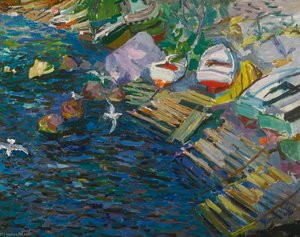
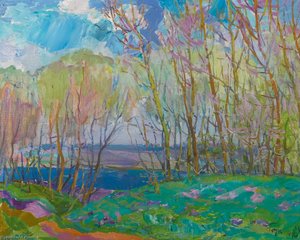
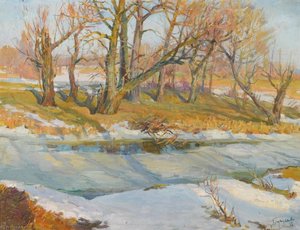
Despite his clandestine activities, Glushchenko remained deeply committed to his artistic pursuits. His paintings are characterized by a masterful command of color, light, and composition, reflecting both his Impressionistic influences and his meticulous observation of the natural world. He primarily focused on landscapes – scenes of rural Ukraine, the rolling hills of Bavaria, and the vibrant colors of Spain – capturing not just their visual beauty but also the essence of the places he depicted. His works often evoke a sense of nostalgia for simpler times, imbued with a quiet dignity and an appreciation for the rhythms of nature.
Notable series include “Berlin etudes” (1939), documenting the city’s atmosphere during a period of rapid change; documentary landscapes of post-war Kiev (1944), reflecting the resilience of his homeland after the war; and evocative depictions of Ukrainian spring and winter, showcasing the country's diverse beauty. His later works, such as “May in Bloom” (1957) and “The Winter Sun” (1974), demonstrate a continued refinement of his style and a deepening engagement with the subject matter.
Legacy and Recognition
Following the war, Glushchenko returned to Ukraine and continued to paint prolifically. He received numerous accolades for his artistic achievements, including the title of Honoured Art Worker of the RSFSR in 1946, People’s Artist of the USSR in 1963, and People’s Artist of Ukraine in 1978. In 1978, he established a studio-museum dedicated to his work in Kiev, preserving his legacy for future generations. His paintings are now housed in museums throughout Ukraine, France, and the United States, testament to their enduring appeal.
Nikolai Glushchenko’s life remains an extraordinary example of artistic talent intertwined with political intrigue. He was a painter who captured the beauty of the Russian landscape, a secret agent who served his country during one of its most perilous moments, and a man whose story continues to fascinate and inspire.
nikolai petrovich glushchenko
1901 - 1977
Quick Facts
- Artistic Movement Or Style: Realism, Impressionism
- Artists Or Movements Influenced By This Artist:
- Baluschek
- Kampf
- German School of Art
- Artists Who Influenced This Artist:
- Monet
- Degas
- Van Gogh
- Picasso
- Matisse
- Date Of Birth: September 17, 1901
- Date Of Death: October 31, 1977
- Full Name: Nikolai Petrovich Glushchenko
- Nationality: Ukrainian
- Notable Artworks:
- Spring
- Early Spring
- Winter
- May in bloom
- Edge of the forest
- Place Of Birth: Novomoskovsk, Russia