 Preview
 Send
Send Share
Share
 Details

 Download
 Similars
 X-Ray
X-Ray Diaporama
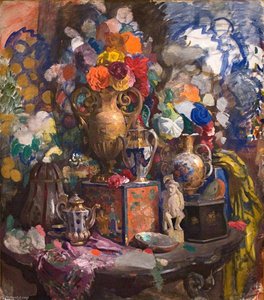
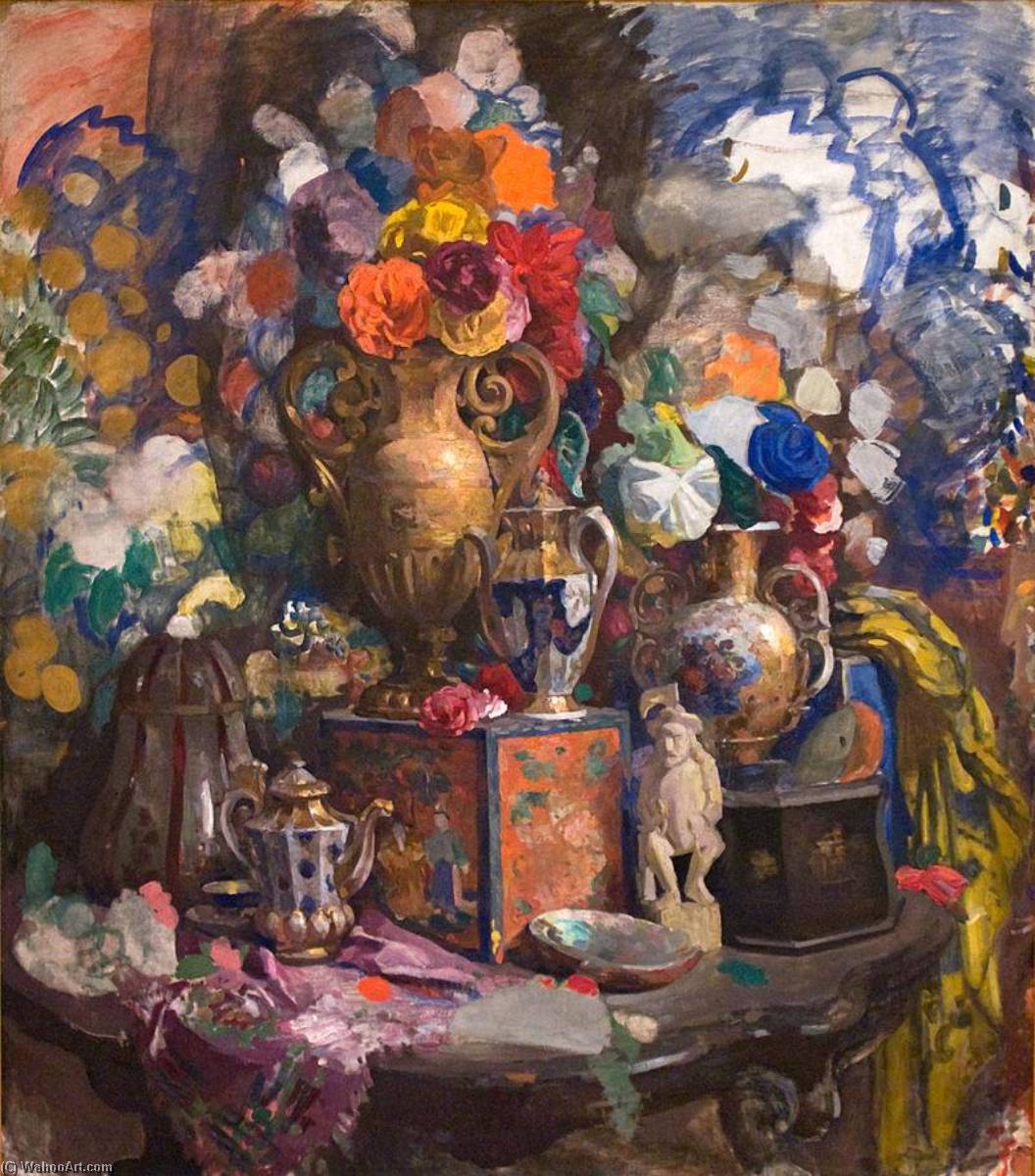
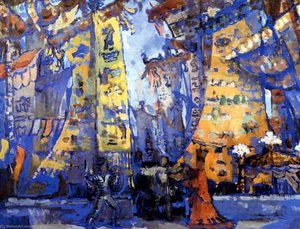
Flowers and Porcelain

 Read More
Giclée / Art Print
Museum-quality giclée or canvas print with fast production and flexible finish options. ( Buy Hand Made Painting Buy Image)




































Pick from our preset sizes that match the artwork's original proportions.

You may enter your own dimensions to fit a specific frame or space. If your selected size does not match the original image's proportions, we will either crop the artwork or extend the image with a mirrored or solid-fill edge. A digital mockup will be sent for your approval before production begins.
Please note that the on-screen preview does not reflect the actual cropping or extension. Only the mockup will accurately show the final composition.
While custom sizes are available, we recommend selecting a dimension from the predefined list to preserve the original proportions.
Worldwide Delivery () in 2 weeks instead of standard 4/5 weeks. (29 August)

Free Worldwide Express Shipping

High-Quality Linen Canvas

Full Shipping Insurance

Customs Tax Refund Guarantee

True Color Matching Guarantee

60-Day Return Policy (Defects Only)

100% Money-Back Guarantee

Bulk Discount Offer
 Glass option is only available in size under 110 CM

Flowers and Porcelain
Giclée / Art Print
Reproduction Size
-


Total Price
$ 63
Related Artworks








Artist Biography
A Fleeting Bloom: The Enigmatic World of Nikolai Sapunov
Nikolai Sapunov, a name whispered among connoisseurs of Russian Symbolism, represents a poignant and tragically short-lived flowering within the artistic landscape of turn-of-the-century Moscow. Born in 1880, his life was as delicate and ephemeral as the blossoms that would become his signature subject matter. Unlike many artists who undergo a gradual evolution, Sapunov’s style emerged remarkably fully formed, imbued with a melancholic beauty and a distinctly personal vision. He wasn't merely painting flowers; he was translating emotions – longing, decay, and a sense of otherworldly fragility – onto canvas. His artistic journey, though brief, left an indelible mark on the Russian avant-garde, bridging the gap between Art Nouveau’s decorative elegance and the burgeoning spiritual concerns that would define Symbolist art.Early Life and Artistic Formation
Sapunov's early training was unconventional for a painter of his eventual stature. He initially pursued architecture, studying at the Moscow School of Painting, Sculpture and Architecture. This foundation in spatial design profoundly influenced his compositions, lending them a unique structural quality often overlooked when focusing on their emotional resonance. However, it was under the tutelage of Konstantin Korovin and Mikhail Vrubel that Sapunov truly discovered his artistic calling. Vrubel, in particular, exerted a powerful influence, encouraging Sapunov to explore the expressive potential of color and form beyond mere representation. The lessons learned from these masters weren’t about replicating reality but about *interpreting* it through a subjective lens, imbuing objects with symbolic weight. He also became deeply involved with the Blue Rose group, a collective of artists united by their shared interest in spirituality, mysticism, and the power of artistic intuition. This association proved pivotal, shaping his aesthetic direction and providing a fertile ground for experimentation.The Language of Flowers: A Symbolist Vocabulary
Sapunov’s most recognizable works are his still lifes featuring flowers – peonies, irises, lilies, roses – rendered in muted, often somber tones. These aren't the vibrant, celebratory bouquets of traditional floral painting; they are studies in transience and decay. The drooping petals, wilting stems, and darkened leaves speak to the inevitability of mortality and the fleeting nature of beauty. He employed a distinctive technique, layering thin washes of color to create an ethereal, almost dreamlike quality. The backgrounds often dissolve into abstract patterns, further emphasizing the symbolic weight of the flowers themselves. Each bloom carried specific connotations within the Symbolist lexicon: lilies representing purity and mourning, roses embodying love and passion (often tinged with sorrow), and irises signifying hope and remembrance. Sapunov didn’t simply paint what he saw; he painted what he *felt*, transforming ordinary objects into vessels of profound emotional meaning. His work resonated deeply with a public grappling with the anxieties and uncertainties of a rapidly changing world, offering a visual language for expressing unspoken emotions and spiritual yearning.Beyond Still Life: Stage Design and Artistic Versatility
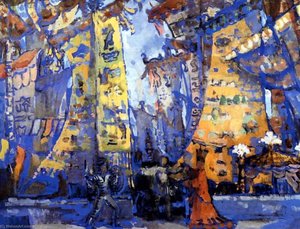
While celebrated primarily for his floral still lifes, Sapunov’s artistic talents extended beyond painting. He was also a highly sought-after stage designer, collaborating with prominent theatrical figures of the time. His designs for operas and ballets were characterized by their elaborate costumes, fantastical sets, and evocative use of color and light. These productions allowed him to explore his fascination with symbolism on a larger scale, creating immersive environments that transported audiences to otherworldly realms. His stage work wasn’t merely decorative; it was integral to the narrative, enhancing the emotional impact of the performance. This versatility demonstrates Sapunov's mastery of various artistic mediums and his ability to translate his unique vision across different platforms. He seamlessly blended elements of Art Nouveau with Symbolist aesthetics in his theatrical creations, contributing significantly to the development of modern stage design.Legacy and Historical Significance
Nikolai Sapunov’s life was tragically cut short in 1912 at the young age of thirty-two. His untimely death – a consequence of a duel – left behind a relatively small but remarkably cohesive body of work. Despite his brief career, he exerted a significant influence on subsequent generations of Russian artists.- His exploration of symbolism and emotional expression paved the way for abstract art.
- He helped to establish a distinctly Russian strain of Symbolism, characterized by its melancholic beauty and spiritual depth.
- His innovative use of color and composition continues to inspire artists today.
nikolai sapunov
1880 - 1912
Quick Facts
- Artistic Movement Or Style: Symbolism
- Artists Or Movements Influenced By This Artist: ['Korovin']
- Artists Who Influenced This Artist: ['Levitan']
- Date Of Birth: 1880-12-17
- Date Of Death: 1912-06-14
- Full Name: Nikolai Nikolaevich Sapunov
- Nationality: Russian
- Notable Artworks:
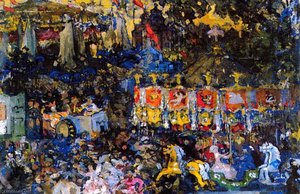
- Merry Go Round
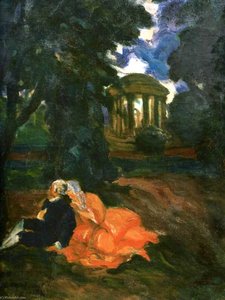
- Lovers in the Park
- The Embankment of Alexandria
- Place Of Birth: Moscow, Russia