

 Preview
 Send
Send Share
Share
 Details

 Download
 Similars
 X-Ray
X-Ray Diaporama
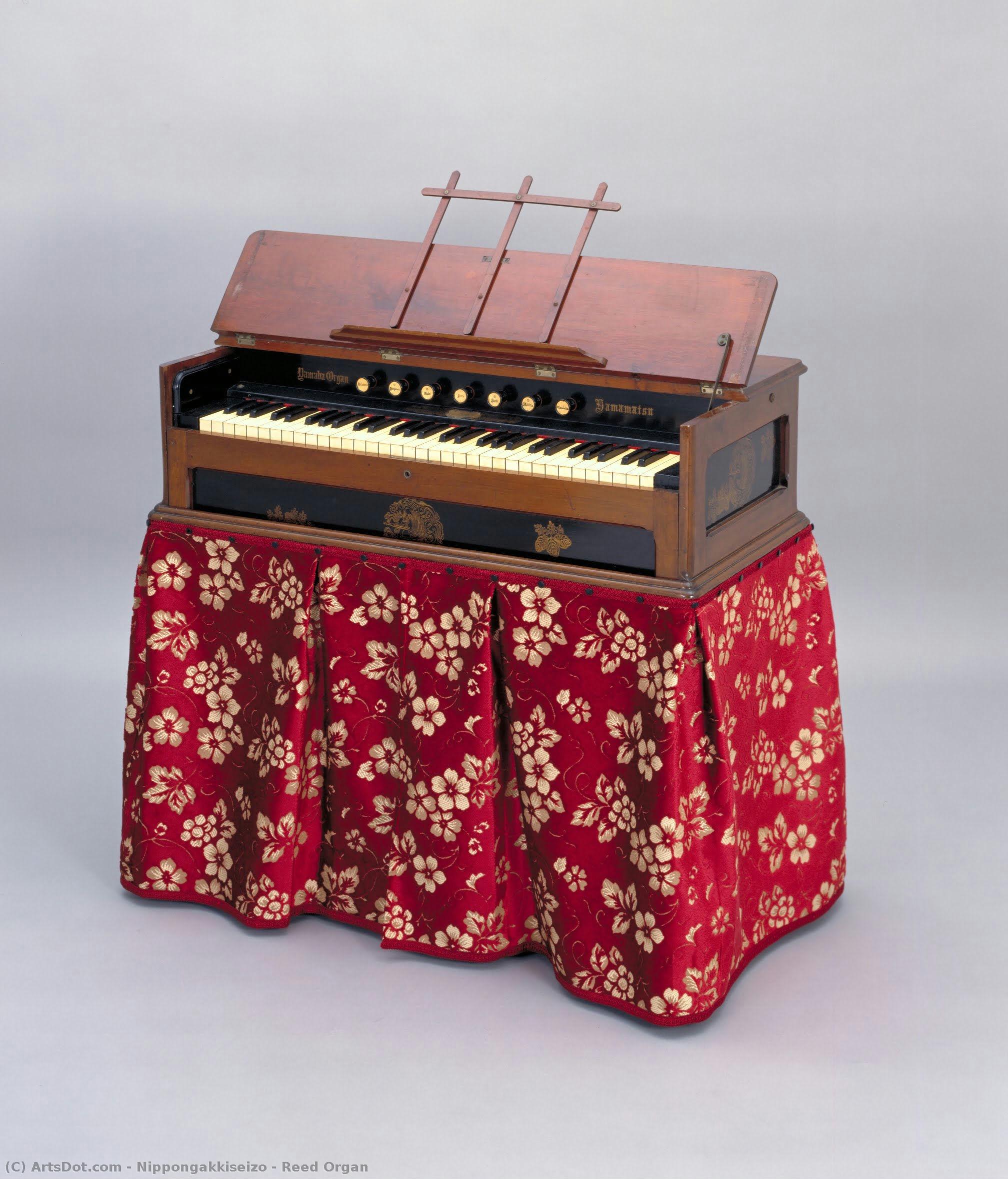
Reed Organ

 Read More
Purchase a high-resolution, enhanced digital image, far superior to the online preview.
Each file is meticulously prepared by our in-house specialists using advanced tools and expert manual retouching. We ensure every image has exceptional clarity, precise color accuracy, and fine detail.
The final file is delivered via email within 72 hours, optimized for immediate use in professional, editorial, and print environments. This is the same quality trusted by top-tier design studios, publishers, and galleries.
Digital Image
Download a high-resolution file for personal display, printing, and creative projects. ( Buy Print Buy Hand Made Painting)
Included in Every Digital Image Order
Expert Digital Delivery, Guaranteed
When you choose ArtsDot.com, you're not just getting an image - you're receiving a professionally enhanced digital artwork, crafted with precision and backed by a satisfaction guarantee. Here's everything that comes with your order, automatically:

Fast Email Delivery
Your high-resolution digital image file will be emailed to you within 72 hours of ordering - ready for immediate use.

AI-Enhanced Digital File
Your artwork is professionally optimized using advanced AI tools and manual editing, ensuring maximum detail, clarity, and color accuracy.

Free Lifetime Re-Delivery
Accidentally deleted or lost your file? No worries - we'll resend it to you anytime, free of charge.

No Import Fees - Ever
Enjoy your artwork instantly with zero customs, duties, or delivery fees - digital downloads are always tax-free.

Color Accuracy Guarantee
We ensure your digital image reflects the original colors as closely as possible using professional tools and color management.

100-Day Satisfaction Guarantee
If you're not satisfied with your digital image, we'll revise it or refund 100% within 100 days - no questions asked.

100% Money-Back Guarantee
Not satisfied? Get a full refund within 100 days of receiving your digital file - no questions asked.

Bulk Order Discounts
Buy 3 images, save 10% - Buy 5, save 15% - Buy 10+, save 20%. Great for creative projects, galleries, and agencies.
Related Artworks









Artist Biography
The Echo of Japanese Craftsmanship: Exploring the Legacy of Nippongakki Seizo
Nippongakki Seizo, a name perhaps less familiar to Western ears than Yamaha’s, represents a pivotal chapter in the history of Japanese musical instrument manufacturing. More than just a producer of reed organs and harmonicas, the company embodied a deep-rooted tradition of craftsmanship, innovation, and a quiet dedication to sonic artistry that quietly shaped the soundscape of Japan for nearly a century. Founded in 1887 by Torakusu Yamaha – yes, *the* Yamaha – as Nippon Gakki Seizo Kabushiki Kaisha (Japan Musical Instrument Manufacturing Company), the firm initially focused on replicating European designs, adapting them to Japanese materials and techniques. This early phase wasn’t merely imitation; it was a careful study of Western organ construction, meticulously analyzed and then skillfully reinterpreted through a distinctly Japanese lens. The company's initial success stemmed from its ability to produce high-quality reed organs at a competitive price, catering to the growing demand for domestic musical instruments during Japan’s rapid modernization in the late 19th and early 20th centuries.From Organ Builders to Instrument Pioneers
The trajectory of Nippongakki Seizo is inextricably linked to the broader evolution of Japanese industry. Following the Meiji Restoration, Japan embarked on a program of rapid industrialization, seeking to emulate Western advancements while retaining its own cultural identity. Yamaha recognized this dynamic and strategically positioned Nippon Gakki Seizo as a key player in supplying instruments for schools, churches, and private homes – institutions that were central to Japan’s burgeoning educational system and social fabric. However, the company didn't remain static. As early as 1900, they began producing upright pianos, demonstrating an ambition to diversify beyond its initial specialization. This expansion wasn’t simply about broadening their product line; it reflected a growing understanding of musical instrument design principles and a commitment to technological advancement. The development of the Electone electronic organ in 1959 marked a significant turning point, signaling Nippongakki Seizo's embrace of new technologies and its willingness to explore uncharted sonic territories. This move was particularly prescient, anticipating the rise of electronic music and laying the groundwork for future innovations.The Art of the Reed: Craftsmanship and Innovation
At the heart of Nippongakki Seizo’s legacy lies a remarkable dedication to the art of reed organ construction. Unlike mass-produced instruments, each Nippon Gakki Seizo organ was often built by hand, employing traditional Japanese woodworking techniques combined with meticulous attention to detail. The quality of the reeds themselves – crafted from carefully selected cane and painstakingly shaped – contributed significantly to the instrument’s distinctive tonal qualities: rich, complex, and capable of producing a wide range of expressive effects. The company's engineers continually refined their designs, experimenting with different materials and construction methods to optimize sound production and durability. This commitment to craftsmanship extended beyond the instruments themselves; Nippongakki Seizo also developed sophisticated repair techniques, ensuring that its organs would continue to resonate for generations. The influence of Japanese aesthetics – a focus on harmony, balance, and understated elegance – is evident in every aspect of the company’s work, from the design of the instrument's casework to the arrangement of its internal components.A Branching Legacy: Yamaha’s Expansion
In 1987, Nippon Gakki Seizo was formally integrated into the larger Yamaha Corporation, a strategic decision that reflected the company’s growing influence and ambition. This consolidation marked a significant shift in the Japanese music industry, as Yamaha embarked on a global expansion strategy, establishing manufacturing facilities and distribution networks around the world. While Nippongakki Seizo's name eventually faded from direct public recognition, its legacy lived on within Yamaha’s broader operations. The company’s expertise in reed organ design and construction continued to inform Yamaha’s development of other instruments, including electronic organs and synthesizers. Furthermore, the values instilled by Nippon Gakki Seizo – a commitment to quality, innovation, and craftsmanship – remain deeply embedded in Yamaha's corporate culture today.Echoes in Sound: Historical Significance
Nippongakki Seizo’s story is more than just a chronicle of a single company; it’s a microcosm of Japan’s industrial transformation during the late 19th and early 20th centuries. The firm's success demonstrated the potential of Japanese craftsmanship to compete with Western manufacturers, while its embrace of new technologies foreshadowed the country’s emergence as a global leader in electronics and musical instrument design. The company’s instruments played a vital role in shaping the soundscape of Japan, enriching religious ceremonies, educational settings, and private homes. Today, surviving Nippon Gakki Seizo organs are treasured relics, offering a tangible connection to a bygone era – a testament to the enduring legacy of Japanese craftsmanship and innovation.
nippongakkiseizo
Japan
Quick Facts
- Artistic Movement Or Style: Musical Instrument Mfg
- Full Name: Nippongakki Seizo
- Nationality: Japanese
- Notable Artworks:
- Reed Organ
- Harmonicas
- Place Of Birth: Hamamatsu, Japan