

 Preview
 Send
Send Share
Share
 Details

 Download
 Similars
 X-Ray
X-Ray Diaporama
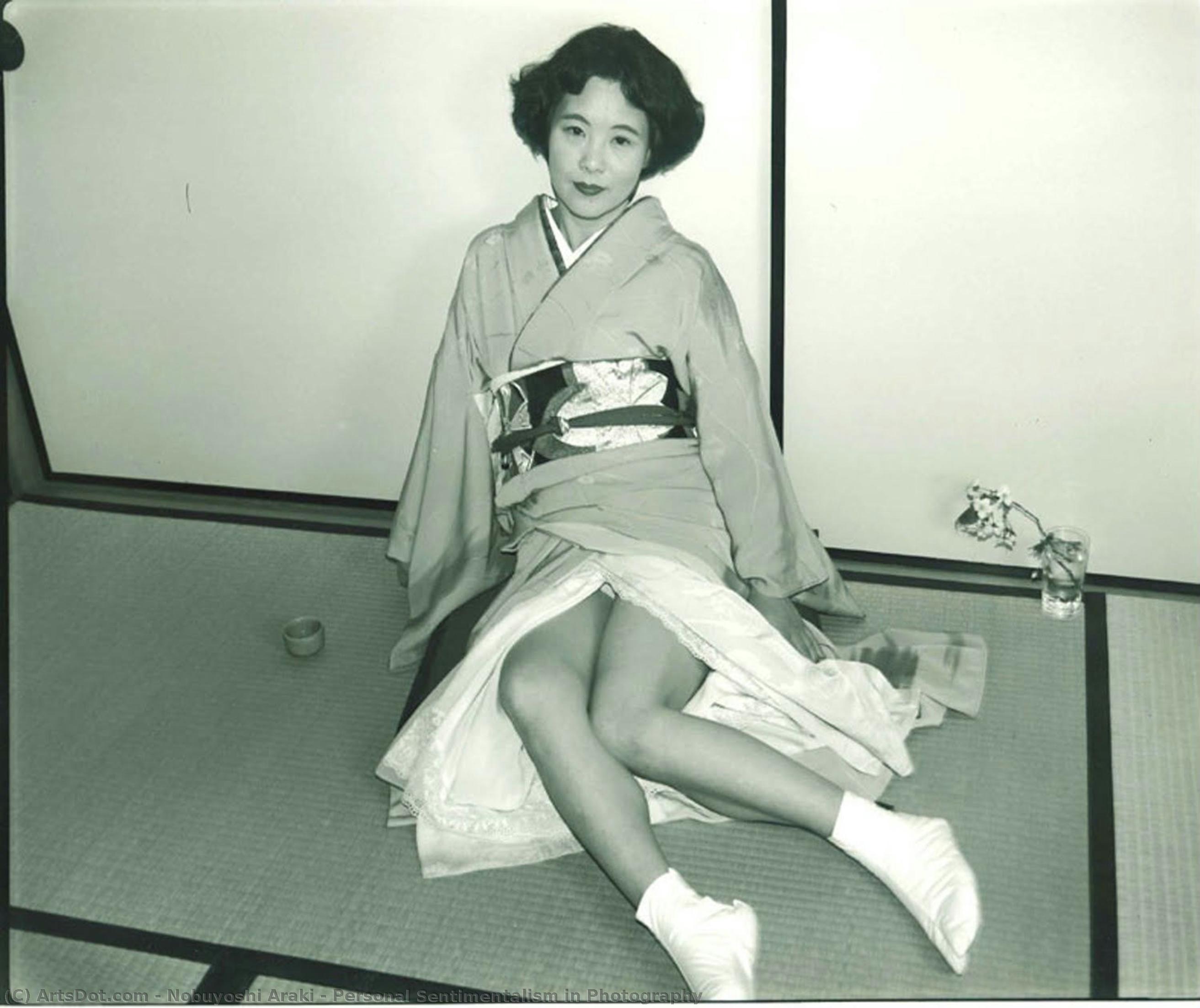
Personal Sentimentalism in Photography
 Contemporary Photography
 2000
2000 39.0 x 45.0 cm
 Read More
Purchase a high-resolution, enhanced digital image, far superior to the online preview.
Each file is meticulously prepared by our in-house specialists using advanced tools and expert manual retouching. We ensure every image has exceptional clarity, precise color accuracy, and fine detail.
The final file is delivered via email within 72 hours, optimized for immediate use in professional, editorial, and print environments. This is the same quality trusted by top-tier design studios, publishers, and galleries.
Digital Image
Download a high-resolution file for personal display, printing, and creative projects. ( Buy Print Buy Hand Made Painting)
Included in Every Digital Image Order
Expert Digital Delivery, Guaranteed
When you choose ArtsDot.com, you're not just getting an image - you're receiving a professionally enhanced digital artwork, crafted with precision and backed by a satisfaction guarantee. Here's everything that comes with your order, automatically:

Fast Email Delivery
Your high-resolution digital image file will be emailed to you within 72 hours of ordering - ready for immediate use.

AI-Enhanced Digital File
Your artwork is professionally optimized using advanced AI tools and manual editing, ensuring maximum detail, clarity, and color accuracy.

Free Lifetime Re-Delivery
Accidentally deleted or lost your file? No worries - we'll resend it to you anytime, free of charge.

No Import Fees - Ever
Enjoy your artwork instantly with zero customs, duties, or delivery fees - digital downloads are always tax-free.

Color Accuracy Guarantee
We ensure your digital image reflects the original colors as closely as possible using professional tools and color management.

60-Day Satisfaction Guarantee
If you're not satisfied with your digital image, we'll revise it or refund 100% within 60 days - no questions asked.

100% Money-Back Guarantee
Not satisfied? Get a full refund within 60 days of receiving your digital file - no questions asked.

Bulk Order Discounts
Buy 3 images, save 10% - Buy 5, save 15% - Buy 10+, save 20%. Great for creative projects, galleries, and agencies.
Related Artworks





Artist Biography
Early Life and the Seeds of a Singular Vision
Nobuyoshi Araki, born in Tokyo in 1940 as Arākii, emerged from a postwar Japan grappling with societal shifts and a burgeoning sense of individual expression. His formative years were steeped in the visual language of film and photography—a pursuit he formally embraced at Chiba University, graduating in 1963. However, it wasn’t immediate artistic recognition that shaped his early path but rather a pragmatic entry into the world of advertising at Dentsu, one of Japan's largest agencies. This period, while seemingly conventional, proved pivotal; it was within these walls he encountered Yoko Aoki, who would become his wife and muse, profoundly influencing the deeply personal trajectory of his art. The initial spark of Araki’s photographic voice wasn’t a grand declaration but a tender documentation—a visual diary of their honeymoon in 1971, published as *Sentimental Journey*. This work, imbued with an intimate vulnerability, foreshadowed the autobiographical nature that would become a hallmark of his prolific output.A Rejection of Convention and the Rise of ‘I-Photography’
The year 1972 marked a turning point. Araki left Dentsu, severing ties with commercial constraints to fully dedicate himself to photography. This liberation coincided with a period of experimentation and a deliberate embrace of subjects often considered taboo—sexuality, death, and the raw physicality of human experience. He became associated with the Photo Workshop School, a collective that challenged established norms and fostered a spirit of artistic rebellion. Araki’s work quickly distinguished itself through its unflinching gaze, his photographs possessing an immediacy and emotional intensity rarely seen in contemporary art. This period saw the development of what he termed “I-photography,” a visual parallel to the *shi-shōsetsu*—the intensely personal ‘I-novel’ prevalent in Japanese literature. He wasn't merely capturing images; he was externalizing his inner world, transforming fleeting moments and visceral emotions into tangible form. This approach, while groundbreaking, also attracted controversy, with some publications facing censorship due to their explicit content.Eros and Thanatos: The Core of Araki’s Aesthetic
Central to understanding Araki's work is the recurring interplay between Eros (life/sex) and Thanatos (death). His photographs often juxtapose these seemingly opposing forces, exploring the fragility of existence and the ephemeral nature of beauty. The *kinbaku* series—images depicting women in Japanese rope bondage—are perhaps his most recognizable works, yet they are far from simple depictions of fetishism. They represent a complex exploration of power dynamics, vulnerability, and the delicate balance between control and surrender. Beyond these provocative images, Araki’s lens extends to seemingly mundane subjects: flowers, urban landscapes, cats, faces—all imbued with a sense of melancholy and transience. He doesn't shy away from decay or imperfection; instead, he finds beauty in the fleeting moments before something vanishes, capturing the essence of *mono no aware* – the Japanese concept of the pathos of things.Prolific Output and International Recognition
Araki’s output is staggering—over 500 photobooks published since 1970, alongside countless exhibitions and collaborations. This relentless creativity defies easy categorization; his work spans diverse media including collage and film, constantly pushing boundaries and challenging conventional definitions of art. His first European solo show in Graz, Austria, in 1992, marked a significant step towards international recognition, followed by American exhibitions and retrospectives at prestigious institutions like The Barbican Art Gallery in London and the Museum of Contemporary Art, Tokyo. He has received numerous accolades, including the Austrian Decoration of Honor for Science and Arts in 2008 and the Mainichi Art Award in 2012. His influence extends beyond the realm of photography, impacting fashion, contemporary art, and visual culture as a whole.A Lasting Legacy: Personal Sentiment and the Power of Vulnerability
Nobuyoshi Araki’s enduring legacy lies not simply in his provocative imagery but in his unwavering commitment to personal sentiment and emotional honesty. He transformed the act of photography into an intensely autobiographical practice, inviting viewers into his inner world with a raw vulnerability that is both unsettling and deeply compelling. His work continues to challenge societal norms, prompting dialogue about sexuality, death, and the complexities of human relationships. Araki’s influence on contemporary art remains profound, inspiring generations of artists to embrace their own unique vision and explore the power of personal expression. He is a master storyteller, using the photographic medium not merely to document reality but to reveal the hidden depths of the human soul.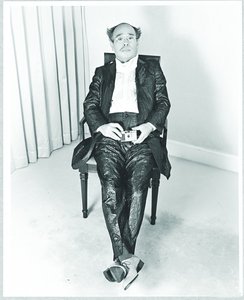
nobuyoshi araki
1940 - , Japan
Quick Facts
- Artistic Movement Or Style: Contemporary photography
- Date Of Birth: May 25, 1940
- Full Name: Nobuyoshi Araki
- Nationality: Japanese
- Notable Artworks:
- Personal Sentimentalism
- Pseudo-Reportage
- Kinbaku (Bondage)
- Place Of Birth: Tokyo, Japan

