 Preview
 Send
Send Share
Share
 Details

 Download
 Similars
 X-Ray
X-Ray Diaporama
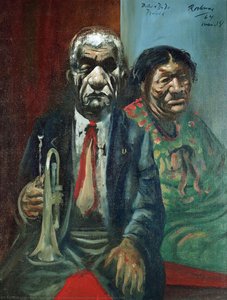
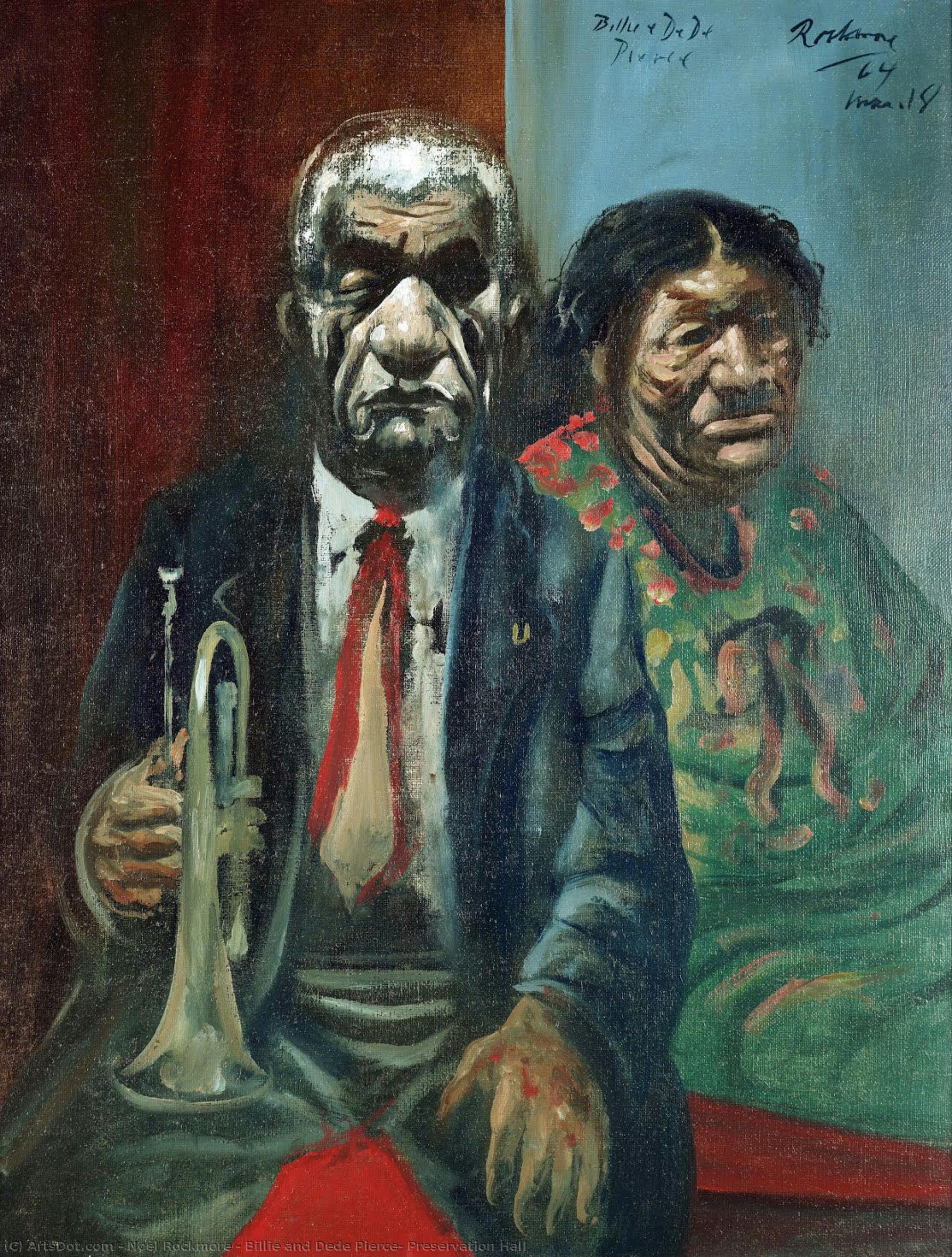
Billie and Dede Pierce, Preservation Hall


 Read More
Hand Made Oil Reproduction
Hand-painted oil on canvas in your size and frame, made to order by our artists. ( Buy Print Buy Image)




P118B $10

P118H $10

P118W $10

P438Z $10

P508JH $12

P508YH $12

P805H $10

P805Z $10

P919BZ $10

P919G $10

P919XJ $10

P959ZH $10

P968JZ $12

W106C $8

W218G $10

W218JH $8

W218Y $10

W307PJ $10

W316G $10

W316PJ $8

W316Y $10

W398PJ $8

W4111J $10

W500HY $15

W500JH $15

W692G $12

W849H $8

W940BG $15

W953PJ $8




Pick from our preset sizes that match the artwork's original proportions.

You may enter your own dimensions to fit a specific frame or space. If your selected size does not match the original image's proportions, we will either crop the artwork or extend the painting with additional hand-painted elements. A digital mockup will be sent for your approval before production begins.
Please note that the on-screen preview does not reflect the actual cropping or extension. Only the mockup will accurately show the final composition.
While custom sizes are available, we recommend selecting a dimension from the predefined list to preserve the original proportions.
After order, ArtsDot.com team will email client for instructions and provide a mockup preview
Worldwide Delivery () in 3/4 weeks instead of standard 5 weeks. (17 August). No compromise on quality.

Free Worldwide Express Shipping

High-Quality Linen Canvas

Full Shipping Insurance

Customs Tax Refund Guarantee

True Color Matching Guarantee

60-Day Return Policy (Defects Only)

100% Money-Back Guarantee

Bulk Discount Offer
 Glass option is only available in size under 110 CM

Billie and Dede Pierce, Preservation Hall
Reproduction Medium
Reproduction Size
-


Total Price
$ 263
Artwork Description
A Soulful Encounter in New Orleans
In the heart of the French Quarter, where the air is thick with the scent of jasmine and the echoes of brass melodies, Noel Rockmore captured a moment of profound human connection. His 1964 masterpiece, Billie and Dede Pierce, Preservation Hall, serves as more than just a portrait; it is a window into the very soul of New Orleans jazz culture. The painting presents us with an intimate study of two individuals, seated side by me, their presence commanding a quiet dignity that transcends the canvas. As they gaze toward something unseen by the viewer, there is a palpable sense of shared history and mutual understanding. The inclusion of a trombone, resting subtly within the composition, acts as a silent narrator, hinting at a life intertwined with the rhythmic pulse of improvisation and the storied halls of Preservation Hall.
Rockmore’s technique in this piece reflects his mastery of American realism, utilizing a brushwork that feels both deliberate and deeply emotive. The textures of the subjects' clothing—the crispness of a tie and the soft drape of a scarf—are rendered with an observant eye that honors the tactile reality of their world. Through a sophisticated use of light and shadow, Rockmore breathes life into the figures, creating a chiaroscuro effect that lends a dramatic, almost theatrical weight to the scene. This interplay of light does not merely illuminate the subjects; it sculpts them, pulling them from the darkness of the background and placing them within a timeless, atmospheric space that feels both immediate and eternal.
The Resonance of Heritage and Connection
Beyond the technical brilliance, this artwork carries a profound symbolic weight. For collectors and lovers of art history, the painting is a vital document of a specific era and a specific community. Rockmore, who became deeply enamored with the jazz musicians of New Orleans, used his palette to celebrate the resilience and artistry of those who kept the tradition of jazz alive. The companionship between Billie and Dede Pierce symbolizes the communal spirit of the music itself—a shared breath, a synchronized rhythm, and a collective memory. To possess a reproduction of this work is to invite a piece of American musical heritage into one's space, bringing with it an aura of authenticity and cultural depth.
For the interior designer or the discerning collector, Billie and Dede Pierce, Preservation Hall offers an unparalleled emotional impact. It is a piece that anchors a room, providing a focal point that invites contemplation and conversation. Whether placed in a sophisticated study, a contemporary living space, or a curated gallery wall, the painting’s somber yet warm tones harmonize beautifully with both classic and modern decors. It does not merely decorate a wall; it tells a story of companionship, artistry, and the enduring power of human connection, making it an exquisite choice for those seeking to surround themselves with art that possesses both historical significance and a timeless, evocative beauty.
Related Artworks

Artist Biography
A Life Immersed in Art and Sound: The World of Noel Rockmore
Noel Rockmore, born Noel Montgomery Davis in New York City on December 15, 1928, emerged from a lineage steeped in artistic expression. His parents, Gladys Rockmore Davis – a painter herself – and Floyd Davis, an accomplished illustrator, laid the foundation for a life profoundly dedicated to visual creation. However, young Noel’s path wasn't immediately set; early promise as a musician—he studied violin, piano, and guitar with exceptional aptitude—hinted at another potential destiny. This duality would subtly inform his artistic vision throughout his career. A childhood bout of polio at the age of five proved pivotal, redirecting his energies toward painting as a means of expression and focus during recovery. He attended Putney School in Vermont, graduating in 1947, before furthering his formal training at the Art Students League of New York, where he absorbed influences from mentors like Julian Levi, Raphael Soyer, John Koch, and Yasuo Kuniyoshi. These early years were characterized by a commitment to realism and an admiration for the Old Masters—a foundation upon which he would later build his unique style. His initial success was remarkable; by 1952, at just twenty-four years old, he had already secured an exhibition at the prestigious Metropolitan Museum of Art, signaling a promising trajectory in the New York art world.The Shift South and the Soul of New Orleans
Despite early acclaim, Rockmore’s career took an unexpected turn in 1958 with a controversial decision: he legally changed his name to Noel Rockmore, adopting his mother's maiden name. While seemingly a personal choice, this act had repercussions within the art establishment and arguably contributed to periods of relative obscurity later in his life. A more significant shift occurred in 1959 when he relocated to New Orleans, seeking creative freedom and a different artistic environment. This move proved transformative. He quickly became captivated by the city’s vibrant culture, particularly the unique energy of Preservation Hall—a legendary jazz venue that served as a crucible for traditional New Orleans music. It was here that Rockmore found his true calling: immortalizing the musicians who embodied the spirit of this musical heritage. Supported by art dealer Larry Borenstein, he embarked on an ambitious project to create portraits of these artists, spending countless hours observing and painting them both within the intimate setting of Preservation Hall and in more formal sittings. These works weren’t merely likenesses; they were profound studies of character, capturing not only the musicians' physical features but also their personalities, their passion, and the very essence of New Orleans jazz. Over 300 oil paintings and over 500 acrylics resulted from this period, becoming arguably his most significant contribution to American art.A Realistic Vision: Style and Themes
Throughout his prolific career—he claimed to have produced over 15,000 works of art—Noel Rockmore remained steadfastly committed to a realistic style. He possessed an exceptional technical skill, honed by his early training and evident in the meticulous detail and accuracy of his depictions. The influence of the Old Masters was always present, informing his compositions, use of light and shadow, and overall approach to form. While best known for his portraits, Rockmore’s subject matter extended beyond individual figures to encompass street scenes, genre paintings, and broader depictions of New Orleans life. However, even in these works, a focus on human presence and emotional resonance remained central. The *Preservation Hall* series stands as a testament to his ability to convey the soul of his subjects; each portrait is imbued with a sense of dignity, vulnerability, and profound musicality. Yet, Rockmore’s artistic exploration wasn't limited to celebratory depictions. Works like “From Life – Old Man and Riva Model” reveal a darker, more introspective side, delving into themes of isolation, aging, and the complexities of the human condition. This willingness to confront difficult emotions added depth and nuance to his overall body of work.Legacy and Enduring Influence
Noel Rockmore continued exhibiting in both New York and New Orleans throughout his later career, maintaining a consistent output until his death on February 19, 1995. His daughter, Emilie Rhys, followed in his artistic footsteps, and their joint exhibitions highlighted the continuation of artistic talent within the family. Today, Rockmore’s work is held in numerous prestigious museum collections, including the Hirshhorn Museum, the Metropolitan Museum of Art, the Museum of Modern Art, the New Orleans Museum of Art, and the Ogden Museum of Southern Art—a testament to his enduring legacy. He is remembered not only for his technical skill and realistic style but also for his unique ability to capture the spirit of a place and its people. His *Preservation Hall* portraits serve as an invaluable visual record of New Orleans jazz culture, preserving the memory of these remarkable musicians for generations to come. Rockmore’s career trajectory—marked by early success, a bold artistic shift, periods of relative obscurity, and eventual recognition—is a compelling narrative in itself. He remains a significant figure in American art history, an artist who dedicated his life to observing, interpreting, and immortalizing the world around him.Key Facts
- Known For: Portrait painting, realism, Old Masters style, Preservation Hall portraits.
- Major Patrons: Joseph Hirshhorn
- Awards and Recognition: Hallgarten Prize, Tiffany Fellowship (twice), Wallace Truman Prize.
- Museum Holdings: Works are held in the Hirshhorn Museum, Metropolitan Museum of Art, Museum of Modern Art, New Orleans Museum of Art, and Ogden Museum of Southern Art.
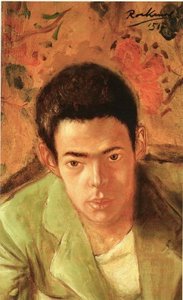
Noel Rockmore
1928 - 1995 , United States of America
Quick Facts
- Artistic Movement Or Style: Realism, Old Masters
- Artists Who Influenced This Artist:
- Julian Levi
- Raphael Soyer
- Yasuo Kuniyoshi
- Date Of Birth: December 15, 1928
- Date Of Death: February 19, 1995
- Full Name: Noel Rockmore
- Nationality: American
- Notable Artworks:
- Self Portrait Fragment
- Woman Resting
- Preservation Hall Portraits
- Place Of Birth: New York, USA
Related Articles
Grant Wood & American Regionalism: Identity, Myth & the Rural Landscape
Explore the world of Grant Wood & American Regionalism with ArtsDot. Discover the symbolism behind 'American Gothic', recurring themes, and the movement's lasting impact on art history. High-quality reproductions available.
American Realism's Defining Works: 10 Masterpieces for Your Home
Explore 10 defining American Realism masterpieces – Hopper, Homer & more. Discover the stories behind these iconic paintings and bring timeless art to your home with ArtsDot's museum-quality reproductions. Explore the full collection online.
Stuart Davis: Modernist Abstraction & the Vibrant Spirit of the Jazz Age
Explore the vibrant world of Stuart Davis, a pioneer of American Modernism. Discover his jazz-inspired paintings, signature style & investment potential. Expert insights for art collectors.
Echoes of Place: Regionalism & American Identity in Interwar Art
Explore the rise of American Regionalism in interwar art! Discover Grant Wood, Thomas Hart Benton & the movement's impact on American identity. Expert analysis & historical context.
American Regionalism: A Crucible of Identity – Exploring Themes of Place, Labor & Social Commentary
Explore American Regionalism's powerful depiction of the American heartland during the Great Depression. Discover Grant Wood, Thomas Hart Benton & more. Expert analysis & high-quality art reproductions at ArtsDot.