 Preview
 Send
Send Share
Share
 Details

 Download
 Similars
 X-Ray
X-Ray Diaporama
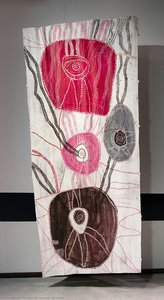
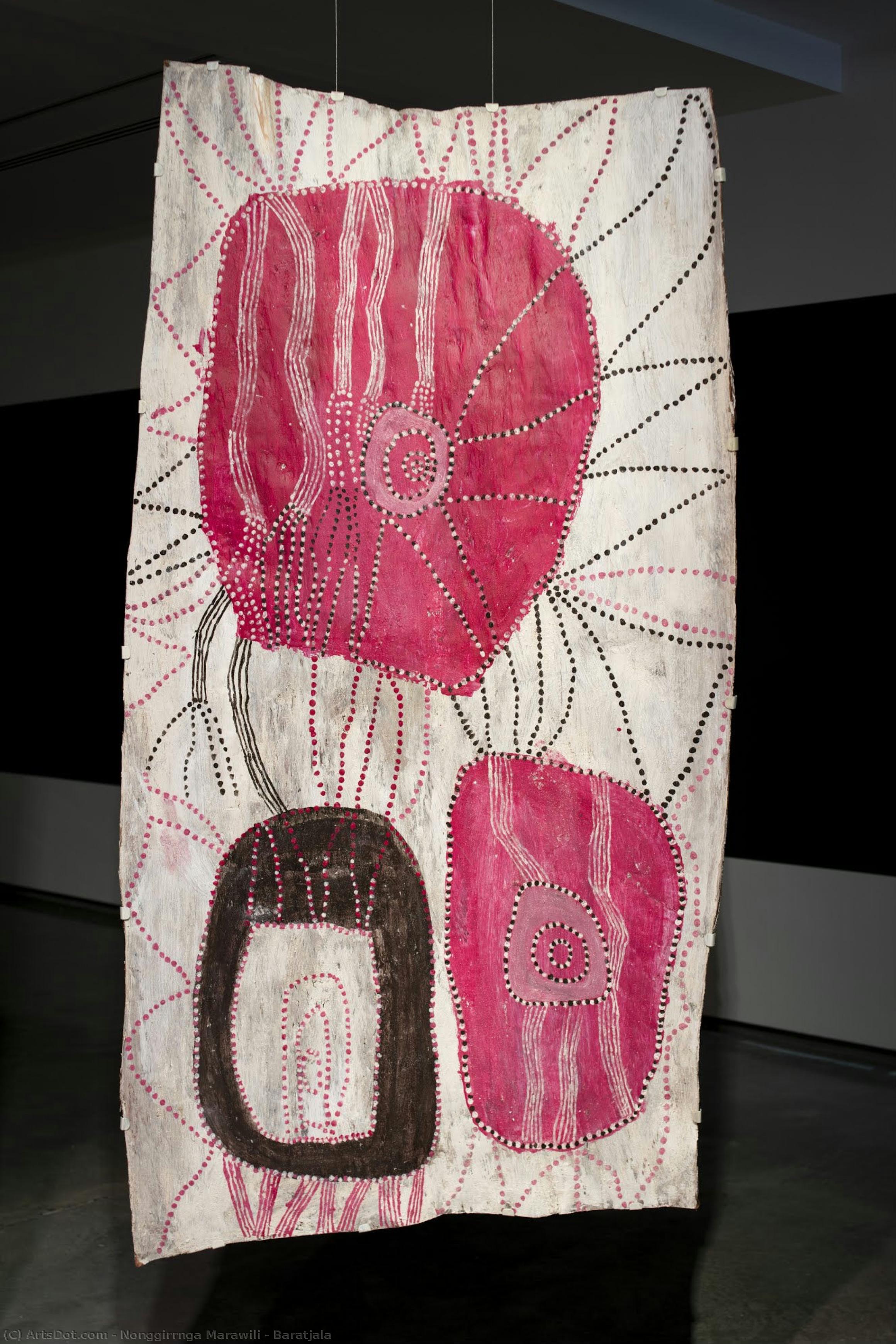
Baratjala
 Acrylic On Canvas
- WallArt
- Contemporary Aboriginal
 2019
2019- Contemporary
 193.0 x 100.0 cm
 Biennale of Sydney
 Read More
Hand Made Oil Reproduction
Hand-painted oil on canvas in your size and frame, made to order by our artists. ( Buy Print Buy Image)




































Pick from our preset sizes that match the artwork's original proportions.

You may enter your own dimensions to fit a specific frame or space. If your selected size does not match the original image's proportions, we will either crop the artwork or extend the painting with additional hand-painted elements. A digital mockup will be sent for your approval before production begins.
Please note that the on-screen preview does not reflect the actual cropping or extension. Only the mockup will accurately show the final composition.
While custom sizes are available, we recommend selecting a dimension from the predefined list to preserve the original proportions.
After order, ArtsDot.com team will email client for instructions and provide a mockup preview
Worldwide Delivery () in 3/4 weeks instead of standard 5 weeks. (22 August). No compromise on quality.

Free Worldwide Express Shipping

High-Quality Linen Canvas

Full Shipping Insurance

Customs Tax Refund Guarantee

True Color Matching Guarantee

60-Day Return Policy (Defects Only)

100% Money-Back Guarantee

Bulk Discount Offer
 Glass option is only available in size under 110 CM

Baratjala
Reproduction Medium
Reproduction Size
-


Total Price
$ 263
Artwork Description
A Symphony of Yolngu Vision: The Vibrancy of Baratjala
In the breathtaking expanse of Baratjala, the viewer is immediately transported to the ancestral landscapes of Arnhem Land. Created in 2019 by the late, esteemed Yolngu artist Nonggirrnga Marawili, this masterpiece serves as a window into a world where the boundaries between the natural environment and spiritual cosmology dissolve. The painting presents a mesmerizing dance of color, featuring striking red circles and delicate floral motifs that seem to pulse with the very rhythm of the Australian bush. As one gazgiess the canvas, the eye is drawn to the intricate arrangement of white petals tipped with soft pink centers, creating a rhythmic pattern that mimics the organic growth of the flora Marawili knew so intimately from her youth near Djarrakpi.
The composition is further brought to life by the presence of avian figures, subtly integrated into the landscape. These birds, captured in moments of flight or quiet repose upon unseen branches, introduce a sense of kinetic energy and breath to the work. This movement prevents the painting from feeling static; instead, it becomes a living ecosystem. For the collector or interior designer, Baratjava offers more than just visual beauty; it provides a profound sense of vitality. The interplay between the bold, primary reds and the delicate whites creates a high-contrast elegance that can anchor a sophisticated modern space, acting as both a focal point of cultural significance and a breath of natural serenity.
The Legacy of Marawili: Tradition Meets Contemporary Expression
To understand the depth of Baratjala, one must look to the life of Nonggirrnga Marawili herself. Born in 1939 at Darrpirra, her artistic language was forged through a nomadic lifestyle and a deep immersion in Yolngu kinship and storytelling. Unlike artists trained in Western academic traditions, Marawili’s technique emerged from observing the subtle nuances of the land—the way light hits a petal or the seasonal shifts in the bush. Her work is characterized by an elemental design language that uses organic shapes to communicate complex ancestral truths. In this piece, we see her mastery of using synthetic materials to evoke the textures of the natural world, bridging the gap between ancient tradition and contemporary fine art.
The symbolism within Baratjala transcends simple representation. The vibrant red elements are not merely aesthetic choices; they resonate with the deep connection to country and the lifeblood of the Yolngu people. Every stroke carries the weight of a lineage that values the interconnectedness of all living things. For those seeking to acquire a high-quality reproduction, this artwork offers an opportunity to possess a fragment of a profound cultural narrative. It is a piece that invites contemplation, encouraging the viewer to slow down and reconnect with the elemental beauty of the earth, making it an incomparable addition to any curated collection of global indigenous art.
Related Artworks

Artist Biography
Early Life and Artistic Beginnings
Nonggirrnga Marawili (c. 1939–2023) emerged from the vibrant Yolngu culture of Arnhem Land, Australia, shaping her artistic vision through a formative upbringing steeped in ancestral traditions. Born on the beach at Darrpirra, near Djarrakpi (Cape Shield), she was daughter to Mundukul, a revered warrior and storyteller whose profound connection to the land instilled within Marawili a deep understanding of Yolngu cosmology and worldview. Growing up amidst the nomadic lifestyle of Wakir’—moving camps seasonally—Marawili experienced firsthand the rhythms of Yolngu life, absorbing knowledge of bushcraft, storytelling, and kinship ties that would later permeate her artistic practice. Her early education was unconventional; she eschewed formal schooling preferring to learn from elders and observing the natural world around her. This immersive experience profoundly influenced her aesthetic sensibilities, fostering a sensitivity to subtle nuances of color, texture, and pattern—elements central to her distinctive style.“You may spy on me and think that I am painting sacred things,” Marawili famously remarked, encapsulating her artistic ethos: an unwavering commitment to expressing the spirit of her heritage without resorting to literal representations.The Influence of Djapu Clan Designs and Collaborative Practice
Marawili’s artistic journey gained momentum in the 1980s when she began collaborating with her husband, Djutadjuta Mununggurr, a respected elder and storyteller who championed Yolngu art practice. Together they revitalized traditional bark painting techniques—previously dominated by repetitive “suitcase barks”—introducing a new level of sophistication and artistic exploration. Recognizing the importance of preserving ancestral knowledge, Marawili actively sought permission to depict Djapu clan designs—the sacred emblems of her husband’s lineage—through collaborative projects with fellow artists Rerrkirrwanga Mununggurr and Marrnyula Mununggurr. This pioneering effort challenged conventional gender roles within Yolngu society, demonstrating that women could equally contribute to the transmission of cultural heritage.- This collaboration underscored Marawili's dedication to upholding Yolngu traditions while simultaneously pushing artistic boundaries.
- Her husband’s influence shaped her understanding of storytelling and symbolism—elements interwoven throughout her paintings.
Developing a Distinctive Artistic Style: Elemental Symbolism and Transformation
Marawili's artistic style is characterized by her masterful use of elemental substances and transformative forces inherent in the Australian landscape. Her paintings frequently incorporate cross-hatching and lattice—techniques mirroring the intricate patterns found in Yolngu weaving—creating textured surfaces that evoke the dynamism of country. Diamonds, representing clan emblems and symbolizing ancestral power, appear prominently throughout her compositions.“I don’t paint what I see,” Marawili asserted; rather, she translates “the spirit of country” onto canvas.- Her artistic vision stemmed from a deep connection to Yolngu cosmology—a belief in the interconnectedness of all living things and the influence of ancestral beings on daily life.
- Marawili’s distinctive use of pink pigment—derived from recycled print toner cartridges—served as a poignant reminder of her cultural heritage and artistic innovation.
Notable Achievements and Recognition
Nonggirrnga Marawili achieved international acclaim for her contribution to contemporary Aboriginal art.- Her 2013 exhibition “And I am Still Here” held at Alcaston Gallery in Melbourne showcased fifteen paintings and four larrakitj (memorial poles)—a testament to her artistic legacy.
- Her collaborative work with Buku-Larrnggay Mulka Centre resulted in a series of evocative paintings reflecting the beauty and complexity of Arnhem Land’s environment.
- Marawili's unwavering commitment to preserving Yolngu traditions—particularly through the depiction of Djapu clan designs—earned her recognition as one of Australia’s most influential artists.“It is this un-rhythm that Yolŋu are at one with,” Marawili explained, encapsulating the essence of her artistic philosophy.
Legacy and Influence
Nonggirrnga Marawili’s enduring legacy extends beyond her individual artworks.- She championed collaborative practice—demonstrating that artistic innovation flourishes when traditions are honored alongside experimentation.
- Her pioneering efforts to depict Djapu clan designs challenged gender roles within Yolngu society, paving the way for greater inclusivity in Aboriginal art.
- Marawili’s unwavering dedication to preserving Yolngu culture—expressed through her paintings and storytelling—continues to inspire artists and scholars alike.“I don't paint what I see,” Marawili reiterated—a statement that encapsulates the transformative power of artistic vision.
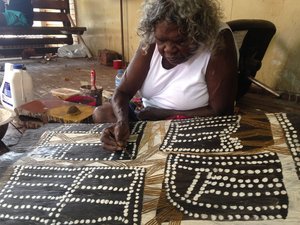
Nonggirrnga Marawili
2023 , Australia
Quick Facts
- Artistic Movement Or Style: Contemporary Aboriginal Art
- Artists Or Movements Influenced By This Artist: ['Bark painting']
- Artists Who Influenced This Artist: ['Mundukul']
- Date Of Birth: c.1939
- Date Of Death: October 2023
- Full Name: Nonggirrnga Marawili
- Nationality: Australian
- Notable Artworks:
- Baratjala
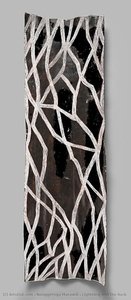
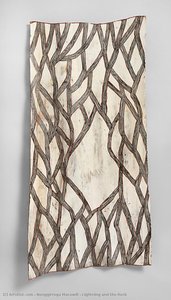
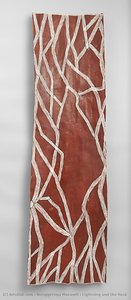
- Lightning and the Rock
- Place Of Birth: Yirrkala, Australia
Related Articles

Crimson Threads of Narrative: Exploring Symbolism & Representation in Artworks Featuring the Red Dress
Explore the rich symbolism of the red dress in art history! From ancient power displays to iconic portraits like Cézanne’s 'Madame Cezanne', discover the cultural and artistic significance behind this captivating color. Expert analysis & insights.
Mark Rothko's Masterpieces: 25 Paintings That Define Abstract Expressionism | ArtsDot
Explore 25 iconic Mark Rothko paintings that define Abstract Expressionism. Discover the stories, colors & emotions behind these masterpieces. Find museum-quality art reproductions and curated decor ideas at ArtsDot.com.
Kandinsky's Masterpieces: 25 Paintings That Define Abstract Art | ArtsDot
Journey through Wassily Kandinsky's 25 most iconic abstract paintings. Explore his revolutionary use of color, form & spiritual expressionism. Find museum-quality Kandinsky reproductions and elevate your home decor with ArtsDot.com. Discover all masterpieces on ArtsDot.com!
Winslow Homer's Masterpieces: 25 Iconic Paintings & Their Enduring Legacy | ArtsDot
Explore 25 iconic Winslow Homer paintings – from dramatic seascapes to poignant genre scenes. Discover the stories behind American realism's master & find museum-quality reproductions for your home at ArtsDot.com.

Henri Matisse's Masterpieces: Explore 25 Iconic Paintings & Art Decor Ideas
Journey through Henri Matisse's 25 most iconic paintings! Explore Fauvism, vibrant colors & the stories behind masterpieces like 'The Dance'. Find museum-quality art reproductions and curated decor ideas to elevate your space. Discover all masterpieces on ArtsDot.com.