 Preview
 Send
Send Share
Share
 Details

 Download
 Similars
 X-Ray
X-Ray Diaporama
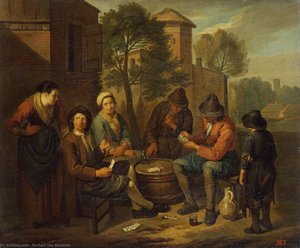
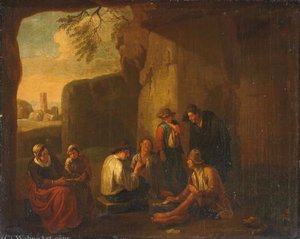
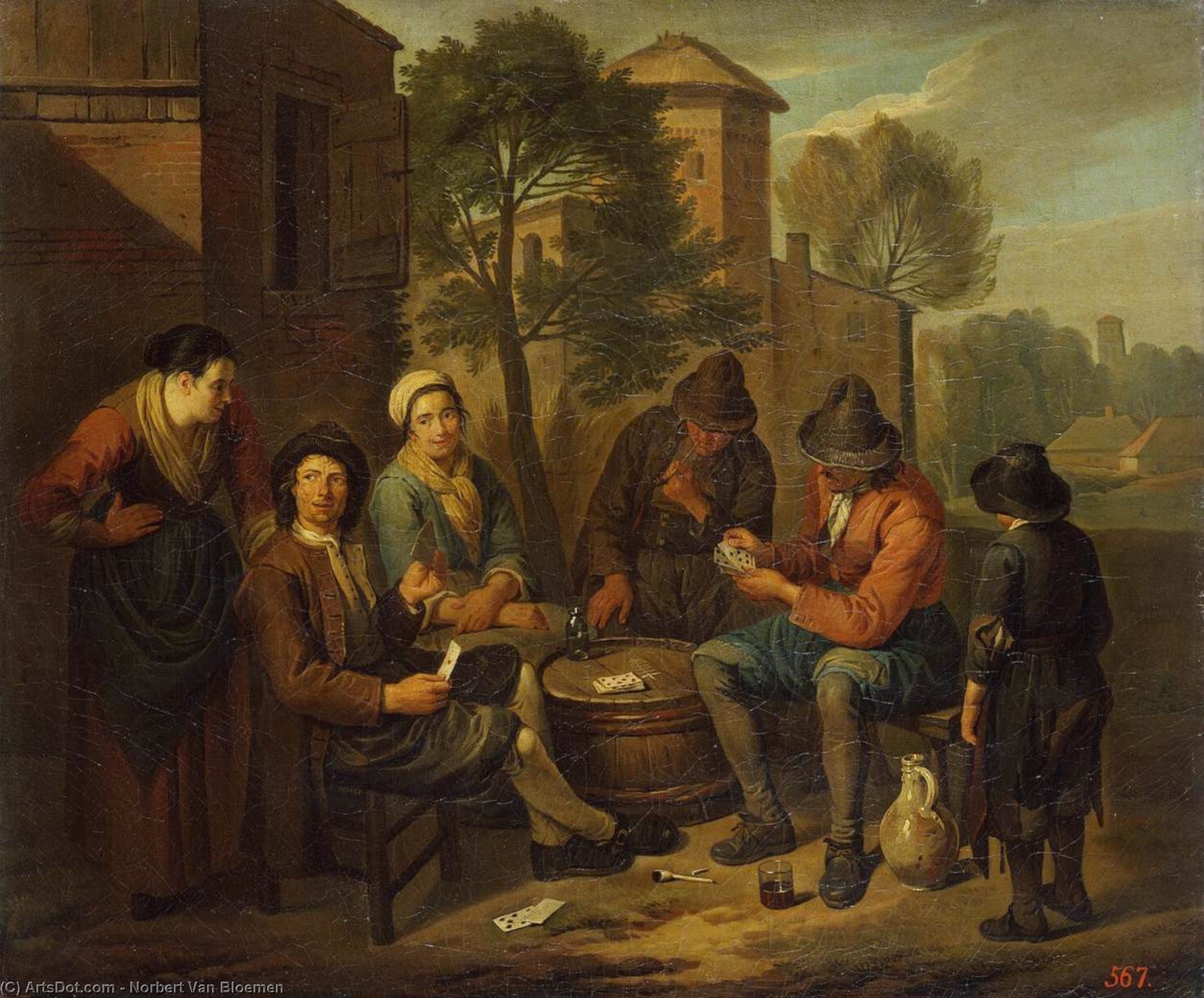
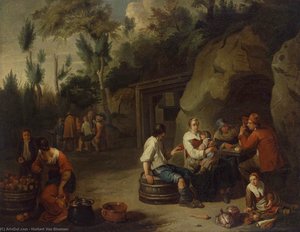
Peasants Playing Cards
 Oil On Canvas
- WallArt
- Baroque Landscape
 1700
1700- Early Modern
 56.0 x 67.0 cm
 Hermitage Museum
 Read More
Hand Made Oil Reproduction
Hand-painted oil on canvas in your size and frame, made to order by our artists. ( Buy Print Buy Image)




P118B $10

P118H $10

P118W $10

P438Z $10

P508JH $12

P508YH $12

P805H $10

P805Z $10

P919BZ $10

P919G $10

P919XJ $10

P959ZH $10

P968JZ $12

W106C $8

W218G $10

W218JH $8

W218Y $10

W307PJ $10

W316G $10

W316PJ $8

W316Y $10

W398PJ $8

W4111J $10

W500HY $15

W500JH $15

W692G $12

W849H $8

W940BG $15

W953PJ $8




Pick from our preset sizes that match the artwork's original proportions.

You may enter your own dimensions to fit a specific frame or space. If your selected size does not match the original image's proportions, we will either crop the artwork or extend the painting with additional hand-painted elements. A digital mockup will be sent for your approval before production begins.
Please note that the on-screen preview does not reflect the actual cropping or extension. Only the mockup will accurately show the final composition.
While custom sizes are available, we recommend selecting a dimension from the predefined list to preserve the original proportions.
After order, ArtsDot.com team will email client for instructions and provide a mockup preview
Worldwide Delivery () in 3/4 weeks instead of standard 5 weeks. (17 August). No compromise on quality.

Free Worldwide Express Shipping

High-Quality Linen Canvas

Full Shipping Insurance

Customs Tax Refund Guarantee

True Color Matching Guarantee

60-Day Return Policy (Defects Only)

100% Money-Back Guarantee

Bulk Discount Offer
 Glass option is only available in size under 110 CM

Peasants Playing Cards
Reproduction Medium
Reproduction Size
-


Total Price
$ 263
Artwork Description
Peasants Playing Cards by Norbert van Bloemen
Norbert van Bloemen’s “Peasants Playing Cards,” painted circa 1700 in Antwerp, represents a fascinating confluence of Flemish artistic tradition and the burgeoning influence of Italian landscape aesthetics—a hallmark of the Bamboccianti movement that captivated audiences across Europe during the Baroque era. This captivating artwork offers more than just a depiction of everyday life; it’s an exploration of human connection amidst rustic beauty and imbued with subtle symbolic resonance.Subject Matter & Composition
The painting portrays a group of men and women gathered around a table laden with provisions – notably, a barrel – engaged in a spirited game of cards. The figures are rendered with meticulous detail, capturing the expressions of camaraderie and amusement that characterize social gatherings during this period. Beyond the immediate scene of play, the backdrop is dominated by an ancient ruin—a deliberate choice reflecting the Bamboccianti’s fascination with idealized representations of rural landscapes and their connection to antiquity. This juxtaposition creates a dynamic visual narrative, inviting contemplation on themes of leisure, companionship, and the enduring allure of simpler times.Style & Technique
Bloemen skillfully blends Flemish realism with Italian landscape sensibilities. His brushstrokes are characterized by a smooth, blended texture—a technique typical of Baroque painters striving for atmospheric depth and luminosity—particularly evident in the depiction of the distant ruins. The artist’s meticulous attention to detail extends to the rendering of fabrics, facial expressions, and individual gestures, demonstrating a mastery of observation and anatomical accuracy. Color palettes are muted yet harmonious, favoring earthy tones that complement the melancholic grandeur of the ruinous setting.Historical Context & Artistic Influences
“Peasants Playing Cards” emerged during a period marked by significant artistic innovation in Italy and the Dutch Republic. The Bamboccianti movement championed the portrayal of rural life as an antidote to urban sophistication, celebrating pastoral virtues and harking back to classical ideals. Bloemen’s work aligns seamlessly with this trend, drawing inspiration from artists like Andrea Pozzo and Pietro da Cortona—luminists who prioritized atmospheric perspective and dramatic lighting to convey emotion and grandeur. The painting reflects the broader cultural preoccupation with reconciling Christian morality with humanist values during the Baroque period.Symbolism & Emotional Impact
The inclusion of an ancient ruin serves as a potent symbol of time’s passage and the contemplation of mortality—a recurring motif in Baroque art reflecting anxieties about death and divine judgment. Simultaneously, the act of playing cards represents social interaction, intellectual engagement, and the pursuit of pleasure – themes central to humanist thought. Bloemen's masterful composition evokes feelings of warmth, conviviality, and quiet reflection, inviting viewers to appreciate the beauty of human connection against a backdrop of timeless grandeur. The painting’s understated elegance speaks volumes about its ability to capture the essence of human experience.Conclusion
“Peasants Playing Cards” stands as a testament to Norbert van Bloemen's artistic vision—a synthesis of Flemish realism and Italian landscape aesthetics that embodies the spirit of the Bamboccianti movement. Its enduring appeal lies in its ability to convey both visual splendor and profound emotional depth, cementing its place as a significant achievement within Baroque art history.Related Artworks

Artist Biography
The Legacy of Norbert van Bloemen: A Synthesis of North and South
In the grand tapestry of the Baroque era, few artists managed to weave together the rugged realism of the Low Countries with the sun-drenched elegance of Italy as seamlessly as Norbert van Bloemen. Born in Antwerp in 1670, a city then pulsating with artistic vitality, van Bloemen was destined for a life shaped by both familial tradition and international wanderlust. As the younger brother of the renowned painters Pieter and Jan Frans van Bloemen, his very foundation was laid within a lineage of masters. This early immersion in the Flemish tradition provided him with a technical rigor and an eye for detail that would become the hallmark of his later, more cosmopolitan works. His upbringing was not merely about learning brushstrokes; it was about inheriting a visual language of texture, light, and human emotion.
The trajectory of van Bloemen’s life took a transformative turn as he moved toward the Mediterranean, eventually finding himself in the heart of the Roman art scene. It was here that his style underwent a profound metamorphosis. Influenced by the Bamboccianti—a group of Dutch and Flemish painters in Rome who specialized in scenes of everyday life—he began to infuse his compositions with an Italianate charm. This period of his life is perhaps best encapsulated by his association with the Bentvueghels, a spirited society of artists where he adopted the nickname 'cefalus' or 'cephalos'. This moniker, a testament to his integration into the Roman artistic brotherhood, reflects a period of intense creative exchange and the blending of Northern observational precision with Southern atmospheric warmth.
Mastery of Genre and the Beauty of the Mundane
Van Bloemen’s oeuvre is a captivating exploration of the human condition, often found in the quiet, unadorned moments of rural existence. He possessed a rare ability to elevate the mundane into the monumental, turning simple peasant gatherings into profound studies of light and companionship. His works frequently feature themes of domesticity and communal life, rendered with a delicate touch that avoids sentimentality in favor of authentic realism. Through his brush, we encounter scenes such as:
- Peasants Playing Cards: A vibrant display of camaraderie where the artist utilizes the interplay of shadow and light to capture the lively energy of a shared game, blending Flemish detail with an Italian sense of movement.
- Peasant Family Sitting at a Table: An intimate portrayal of togetherness, where the warmth of a shared meal is communicated through the soft textures of clothing and the gentle glow of a domestic interior.
- Interior with a Man and a Woman Smoking: A more contemplative genre scene that showcases his mastery of atmosphere, capturing a quiet moment of conversation that feels both timeless and deeply personal.
Technically, van Bloemen was a master of light. He understood how to use the chiaroscuro techniques prevalent in the Baroque period to direct the viewer's eye, creating depth and drama within even the most humble settings. His landscapes, while often serving as backdrops for his figures, possess an idealized beauty that speaks to the influence of Italianate aesthetics, providing a luminous stage for the rustic dramas unfolding within them.
Historical Significance and Artistic Enduring Spirit
As the 18th century progressed, van Bloemen’s influence traveled with him from Italy to the Dutch Republic, marking him as a truly pan-European artist. His ability to navigate different cultural landscapes allowed him to maintain a relevance that transcended borders. He did not merely imitate the styles of the South; he synthesized them into something uniquely his own—a style that respected the gritty honesty of his Flemish roots while embracing the poetic light of the Italian sun.
Today, the works of Norbert van Bloemen serve as vital historical documents of a period defined by movement and cultural fusion. He remains a pivotal figure for understanding the evolution of genre painting and the way in which the Bamboccianti style helped bridge the gap between Northern realism and Southern classicism. His legacy lives on in every brushstroke that captures the dignity of the common man and the enduring beauty of the natural world, reminding us that true artistry lies in the ability to find the extraordinary within the ordinary.
Norbert van Bloemen
1670 - 1746 , Belgium
Quick Facts
- Artistic Movement Or Style: Italianizing landscapes & Bamboccianti genre scenes
- Artists Or Movements Influenced By This Artist: ['Dutch Golden Age']
- Artists Who Influenced This Artist: ['Pieter van Bloemen']
- Date Of Birth: Antwerp, Belgium (1670)
- Date Of Death: ca. 1746
- Full Name: Norbert van Bloemen
- Nationality: Flemish
- Notable Artworks:
- Interior with a Man and a Woman Smoking
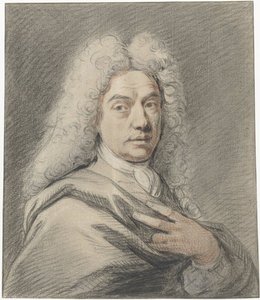
- Self portrait
- Genre Scene
- Place Of Birth: Antwerp
Related Articles

Giclée Prints: Archival Quality & Aesthetic Nuances for the Discerning Collector
Explore the world of giclée prints with ArtsDot. Learn about archival quality, aesthetic nuances & investment potential. Expert guidance for discerning art collectors seeking museum-quality reproductions and lasting value.

Playful Masterpieces: Top 10 Artworks for a Joyful Home | ArtsDot
Find joy & inspiration! Explore 10 playful masterpieces by Monet, Matisse & more. Discover art history, vibrant colors & uplifting stories behind these iconic paintings. Museum-quality reproductions at ArtsDot.com – explore the full collection online!

The Enduring Legacy of Fine Art Prints: Technique, History & Aesthetic Impact
Explore the rich history & techniques of fine art prints. Discover investment potential, assess authenticity, and learn how to preserve your collection with expert guidance. Trusted insights for discerning collectors.

Baroque Drama: Bringing Opulence & Emotion into Contemporary Interiors
Explore the opulent world of Baroque interior design! Discover key elements, modern applications & how to bring dramatic elegance into your home with 's authentic reproductions.

Echoes of Time: Exploring the Enduring Appeal & Historical Context of Vintage Art Prints
Explore the captivating world of vintage art prints! Discover their history, collecting tips & enduring appeal. Expert insights on chromolithography and building a legacy collection with ArtsDot.