 Preview
 Send
Send Share
Share
 Details

 Download
 Similars
 X-Ray
X-Ray Diaporama
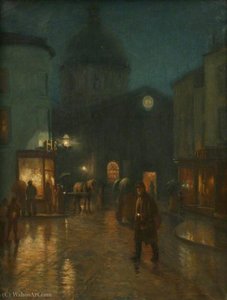
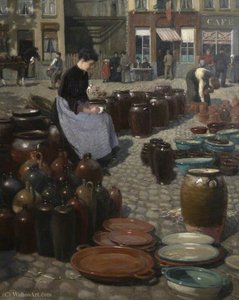
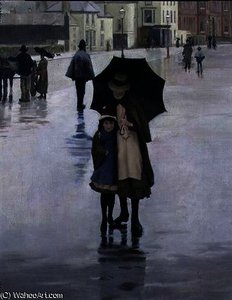
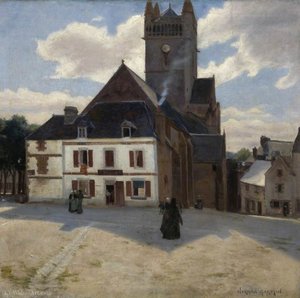
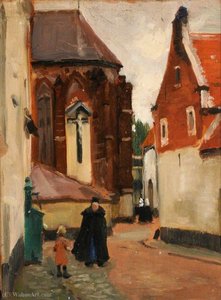
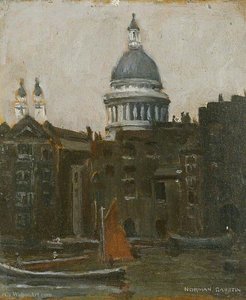
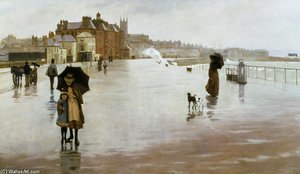
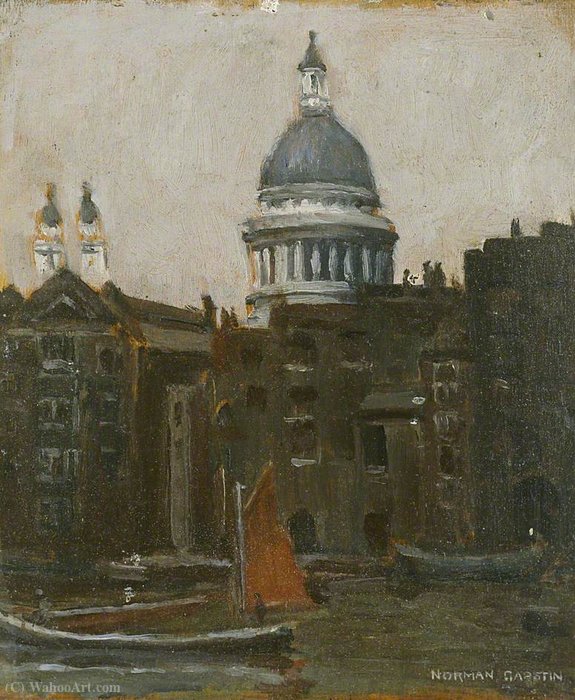
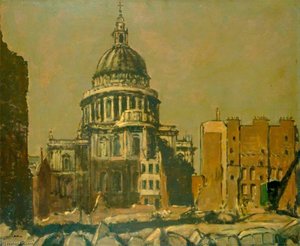
Across the River, St Paul's
 Read More
Hand Made Oil Reproduction
Hand-painted oil on canvas in your size and frame, made to order by our artists. ( Buy Print Buy Image)




































Pick from our preset sizes that match the artwork's original proportions.

You may enter your own dimensions to fit a specific frame or space. If your selected size does not match the original image's proportions, we will either crop the artwork or extend the painting with additional hand-painted elements. A digital mockup will be sent for your approval before production begins.
Please note that the on-screen preview does not reflect the actual cropping or extension. Only the mockup will accurately show the final composition.
While custom sizes are available, we recommend selecting a dimension from the predefined list to preserve the original proportions.
After order, ArtsDot.com team will email client for instructions and provide a mockup preview
Worldwide Delivery () in 3/4 weeks instead of standard 5 weeks. (17 August). No compromise on quality.

Free Worldwide Express Shipping

High-Quality Linen Canvas

Full Shipping Insurance

Customs Tax Refund Guarantee

True Color Matching Guarantee

60-Day Return Policy (Defects Only)

100% Money-Back Guarantee

Bulk Discount Offer
 Glass option is only available in size under 110 CM

Across the River, St Paul's
Reproduction Medium
Reproduction Size
-


Total Price
$ 263
Related Artworks
Artist Biography
Claude Monet: Capturing the Ephemeral Light of Impressionism
Oscar-Claude Monet, born in Le Havre, Normandy, on November 14, 1840, wasn’t initially destined for a life immersed in paint and canvas. His father, a grocery store owner, envisioned a more practical career for his son – one involving commerce. However, from a young age, Claude displayed an undeniable passion for art, nurtured by the influence of Eugène Boudin, a local artist who introduced him to the revolutionary concept of “plein air” painting—capturing nature directly on location. This foundational experience would profoundly shape Monet’s artistic philosophy and ultimately define his legacy as one of Impressionism's foremost practitioners.
Monet’s early years were marked by a struggle between familial expectations and personal ambition. Despite his father’s reservations, he enrolled in the Le Havre secondary school of the arts, where he honed his skills and developed a distinctive style. A pivotal moment arrived when he moved to Paris in 1861, seeking artistic training at Charles Gleyre's studio alongside future Impressionist luminaries like Pierre-Auguste Renoir and Frédéric Bazille. This environment fostered experimentation with light, color, and brushwork—techniques that would soon challenge the established norms of academic painting.
The Franco-Prussian War (1870) forced a temporary relocation to England, where Monet found inspiration in the landscapes of John Constable and Joseph Mallord William Turner. These encounters broadened his understanding of color theory and atmospheric perspective, further informing his evolving artistic vision. Upon returning to Paris, he became deeply involved with the burgeoning Impressionist movement, participating in the first exhibition of the Société Anonyme des Artistes Peintres, Sculpteurs, Graveurs etc. in 1874. This event, despite its initial lack of recognition, marked a crucial turning point—a deliberate rejection of the conservative Salon and an assertion of artistic independence.
- Impressionism’s Core Principles: Monet's work embodies several key tenets of Impressionism: capturing fleeting moments in time, emphasizing the subjective experience of light and color, and utilizing broken brushstrokes to create a sense of movement and atmosphere.
- Plein Air Painting: His dedication to *plein air* painting—working outdoors directly from nature—allowed him to accurately observe and translate the ever-changing qualities of light onto canvas.
- Color Theory: Monet’s masterful manipulation of color, often employing complementary hues to create vibrant contrasts, is a hallmark of his style.
The Water Lilies and Giverny
Following the success (albeit limited) of the first Impressionist exhibition, Monet established himself in Giverny, France, in 1883. This picturesque village, with its lush gardens and tranquil riverbank, would become his lifelong home and a constant source of inspiration. It was here that he created his most iconic series—the Water Lilies (Nymphéas)—a vast collection of paintings depicting the reflections on his private pond.
The Water Lilies weren’t merely decorative studies; they represented Monet's profound engagement with light, color, and perception. He painted them repeatedly over several decades, each canvas capturing a slightly different mood or atmospheric condition. These works demonstrate an extraordinary level of patience and observation, as well as a willingness to embrace the ephemeral nature of beauty. The series is not just about the flowers themselves but about the way they interact with light and water—a constantly shifting spectacle that Monet sought to capture in its full glory.
Beyond the Water Lilies, Monet also painted scenes of his garden at Giverny, including the Japanese bridge, the weeping willows, and the irises. These works offer a glimpse into his personal life and reveal his deep connection to the natural world. The gardens themselves became an integral part of his artistic practice—a living laboratory where he could experiment with color, composition, and light.
Monet’s Techniques and Innovations
Monet's painting techniques evolved significantly throughout his career. Initially influenced by academic traditions, he gradually developed a looser, more expressive style characterized by short, broken brushstrokes—a technique known as *divisionism* or *pointillism*. He avoided blending colors on the palette, instead applying them directly to the canvas in small, distinct dabs.
- Broken Brushwork: Monet’s use of broken brushwork created a shimmering effect, mimicking the way light reflects off surfaces.
- Color Studies: He frequently painted multiple versions of the same subject under different lighting conditions, allowing him to explore the nuances of color and atmosphere.
- Impasto: While generally favoring lighter, more translucent colors, Monet occasionally employed *impasto*—thickly applied paint—to create textural contrasts and emphasize certain areas of his compositions.
Monet’s innovations extended beyond technique; he fundamentally challenged the conventions of traditional painting by prioritizing the subjective experience of perception over objective representation. He wasn't striving to depict a perfect likeness but rather to convey *how* he saw—the fleeting, luminous quality of light and color.
Legacy and Historical Significance
Claude Monet’s impact on the art world is immeasurable. His pioneering work helped establish Impressionism as a major artistic movement, influencing generations of artists who followed. He demonstrated that painting could be more than just a means of reproducing reality; it could be a vehicle for expressing personal emotions and perceptions.
Monet’s paintings continue to captivate audiences today with their beauty, luminosity, and evocative power. His legacy extends beyond the realm of art—he helped to redefine our understanding of how we see the world around us. He died on December 5, 1926, leaving behind a vast body of work that remains a testament to his artistic vision and enduring influence. The Musée d’Orsay in Paris houses one of the largest collections of Monet's paintings, ensuring that his art will continue to inspire and delight viewers for centuries to come.
norman garstin
1874 - 1941 , United Kingdom
Quick Facts
- Artistic Movement Or Style: Impressionism
- Artists Or Movements Influenced By This Artist:
- Pierre-Auguste Renoir
- Post-Impressionism
- Artists Who Influenced This Artist:
- Eugène Boudin
- John Constable
- Joseph Mallord William Turner
- Date Of Birth: November 14, 1840
- Date Of Death: December 5, 1926
- Full Name: Claude Oscar Monet
- Nationality: French
- Notable Artworks:
- Impression, Sunrise
- Water Lilies series
- Rouen Cathedral series
- Place Of Birth: Le Havre, France