 Preview
 Send
Send Share
Share
 Details

 Download
 Similars
 X-Ray
X-Ray Diaporama
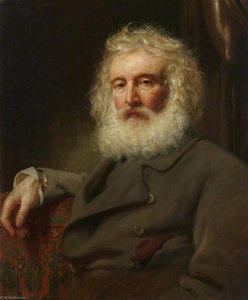
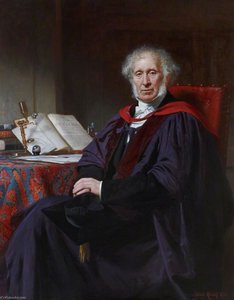
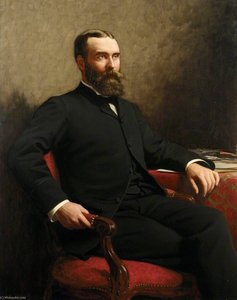
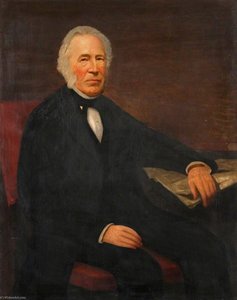
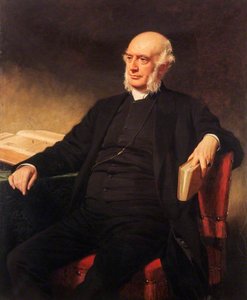
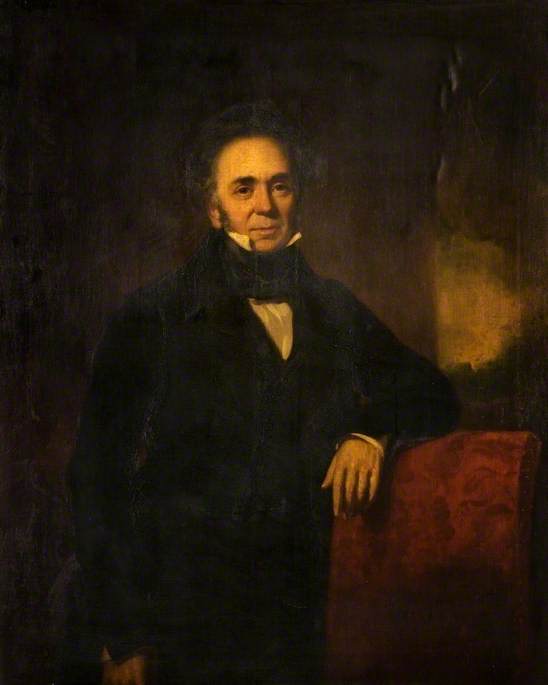
George Thompson of Partick
 Contemporary Realism
 127.0 x 102.0 cm
 Read More
Hand Made Oil Reproduction
Hand-painted oil on canvas in your size and frame, made to order by our artists. ( Buy Print Buy Image)




































Pick from our preset sizes that match the artwork's original proportions.

You may enter your own dimensions to fit a specific frame or space. If your selected size does not match the original image's proportions, we will either crop the artwork or extend the painting with additional hand-painted elements. A digital mockup will be sent for your approval before production begins.
Please note that the on-screen preview does not reflect the actual cropping or extension. Only the mockup will accurately show the final composition.
While custom sizes are available, we recommend selecting a dimension from the predefined list to preserve the original proportions.
After order, ArtsDot.com team will email client for instructions and provide a mockup preview
Worldwide Delivery () in 3/4 weeks instead of standard 5 weeks. (23 August). No compromise on quality.

Free Worldwide Express Shipping

High-Quality Linen Canvas

Full Shipping Insurance

Customs Tax Refund Guarantee

True Color Matching Guarantee

60-Day Return Policy (Defects Only)

100% Money-Back Guarantee

Bulk Discount Offer
 Glass option is only available in size under 110 CM

George Thompson of Partick
Reproduction Medium
Reproduction Size
-


Total Price
$ 263
Related Artworks

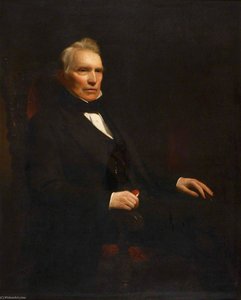
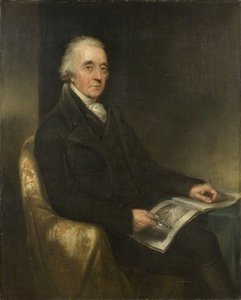
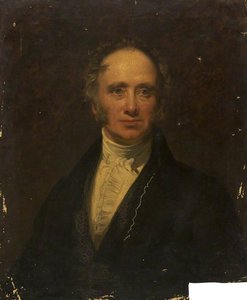
Artist Biography
The Legacy of Norman Macbeth: A Master of Victorian Realism
In the vibrant tapestry of nineteenth-century British art, few threads are as finely woven as those belonging to Norman Macbeth. Born in 1821 in the coastal town of Greenock, Macbeth was a man whose very identity was steeped in an artistic lineage. As the grandson of the celebrated portrait painter Norman Macbeth and the son of James Macbeth, his life was not merely a pursuit of art, but a continuation of a profound familial devotion to the canvas. This heritage provided him with a foundational reverence for the craft, yet it was his own rigorous journey—stretching from the technical precision of an engraver’s apprenticeship in Glasgow to the hallowed halls of the Royal Academy Schools in London—that allowed him to forge a singular voice within the Glasgow School.
Macbeth’s artistic evolution was marked by a sophisticated balance between the established traditions of his era and the burgeoning modernism that began to ripple through Europe. While his training anchored him firmly in the principles of academic realism, he possessed an intellectual curiosity that prevented his work from becoming stagnant. He moved through the great art capitals of the age, studying the masterworks within the National Gallery in London and finding inspiration amidst the transformative atmosphere of Paris, where he worked within the Louvre. This exposure to Continental influences allowed him to infuse his portraits with a subtle touch of Impressionism and the delicate aesthetic sensibilities of Japonisme, creating works that felt both timelessly classical and strikingly contemporary for the Victorian period.
Technique, Texture, and the Art of the Portrait
To observe a Macbeth portrait is to witness a masterclass in controlled observation. His technique was defined by an unwavering commitment to meticulous realism, where every fold of heavy silk, every glint of light on a brass button, and every nuanced expression of his subjects was rendered with painstaking care. He possessed a rare ability to capture the psychological depth of his sitters, moving beyond mere physical likeness to evoke the very essence of their character. Whether depicting the esteemed Sir John Steell RSA or the quiet dignity of an elderly gentleman like James Blackadder, Macbeth utilized subtle tonal gradations and a rich, earthy palette to create a sense of palpable atmosphere and three-dimensional depth.
His mastery extended beyond the human face into the realm of landscape and still life, where his brushwork could shift from the precise to the more textured and expressive. In works such as A Somerset Farm, one can see how he embraced a more painterly approach, using light and shadow to breathe life into rural scenes. This versatility—the ability to pivot from the formal rigidity of a high-society portrait to the atmospheric softness of a pastoral landscape—is what truly distinguishes his oeuvre. His canvases serve as windows into a bygone era, preserved through a technique that honors the weight of history while celebrating the fleeting beauty of light.
A Lasting Impression on Art History
The historical significance of Norman Macbeth lies in his role as a bridge between generations. He stood at the crossroads of the old world and the new, maintaining the dignity of the Royal Scottish Academy’s traditions while welcoming the experimental spirit of the late nineteenth century. His influence was not limited to his own brush; he left behind a family of artists, including his sons Robert Walker Macbeth and Henry Macbeth-Raeburn, who would continue to shape the landscape of Scottish painting well into the twentieth century.
Though he passed away in London in 1888, the impact of his work remains etched in the annals of British art history. His portraits remain vital documents of Victorian society, capturing the luminaries and the everyday figures of his time with an intimacy that transcends the decades. Through his dedication to the truth of the subject and his ability to harmonize classical precision with modern nuance, Norman Macbeth ensured that his name would forever be synonymous with the enduring elegance of Victorian Portraiture.
norman macbeth
1821 - 1888
Quick Facts
- Artistic Movement Or Style: Academic Realism
- Artists Or Movements Influenced By This Artist: ['Glasgow School']
- Artists Who Influenced This Artist: ['Henry Raeburn']
- Date Of Birth: 1821
- Full Name: Norman Macbeth RSA
- Nationality: Scottish
- Notable Artworks:
- Sir John Steell
- Rev. Dr. Lindsay Alexander
- Place Of Birth: Greenock
Related Articles

Georges Braque's Masterpieces: 25 Paintings That Defined Cubism & Modern Art | ArtsDot
Explore 25 iconic Georges Braque paintings that revolutionized Cubism & modern art. Discover the stories behind his masterpieces, from Fauvism to Analytical Cubism. Find museum-quality reproductions & elevate your home decor with ArtsDot.com.
Georges Seurat's Masterpieces: 25 Paintings That Defined Pointillism | ArtsDot
Explore 25 iconic Georges Seurat paintings & discover the brilliance of Pointillism. From 'La Grande Jatte' to his harbor scenes, delve into art history with ArtsDot.com. Find museum-quality reproductions for your home decor. Explore the full collection online!
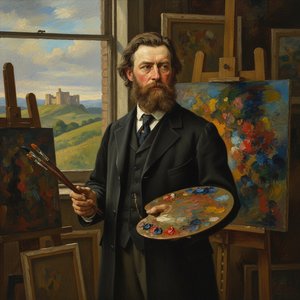
George Paul Chalmers: Rediscovering the Angus Rembrandt & Scottish Colourist Roots
Explore the captivating world of George Paul Chalmers (1833-1878), a pivotal Scottish painter. Discover his landscapes, portraits & connection to the Aesthetic Movement and Colourists. Learn about this 'Angus Rembrandt's' legacy with ArtsDot.

The Enduring Legacy of Oil on Canvas: Technique, History & Aesthetic Impact
Explore the rich history & techniques of oil painting – from Renaissance masters to Impressionism. Discover pigments, layering methods, and why this timeless medium endures. Expert insights for artists & art enthusiasts.

Oil on Canvas: A Historical & Technical Exploration of a Timeless Artistic Medium
Explore the rich history & enduring techniques of oil painting on canvas. Discover the science behind its longevity, conservation practices, and contemporary relevance. Expert insights for art enthusiasts.