

 Preview
 Send
Send Share
Share
 Details

 Download
 Similars
 X-Ray
X-Ray Diaporama
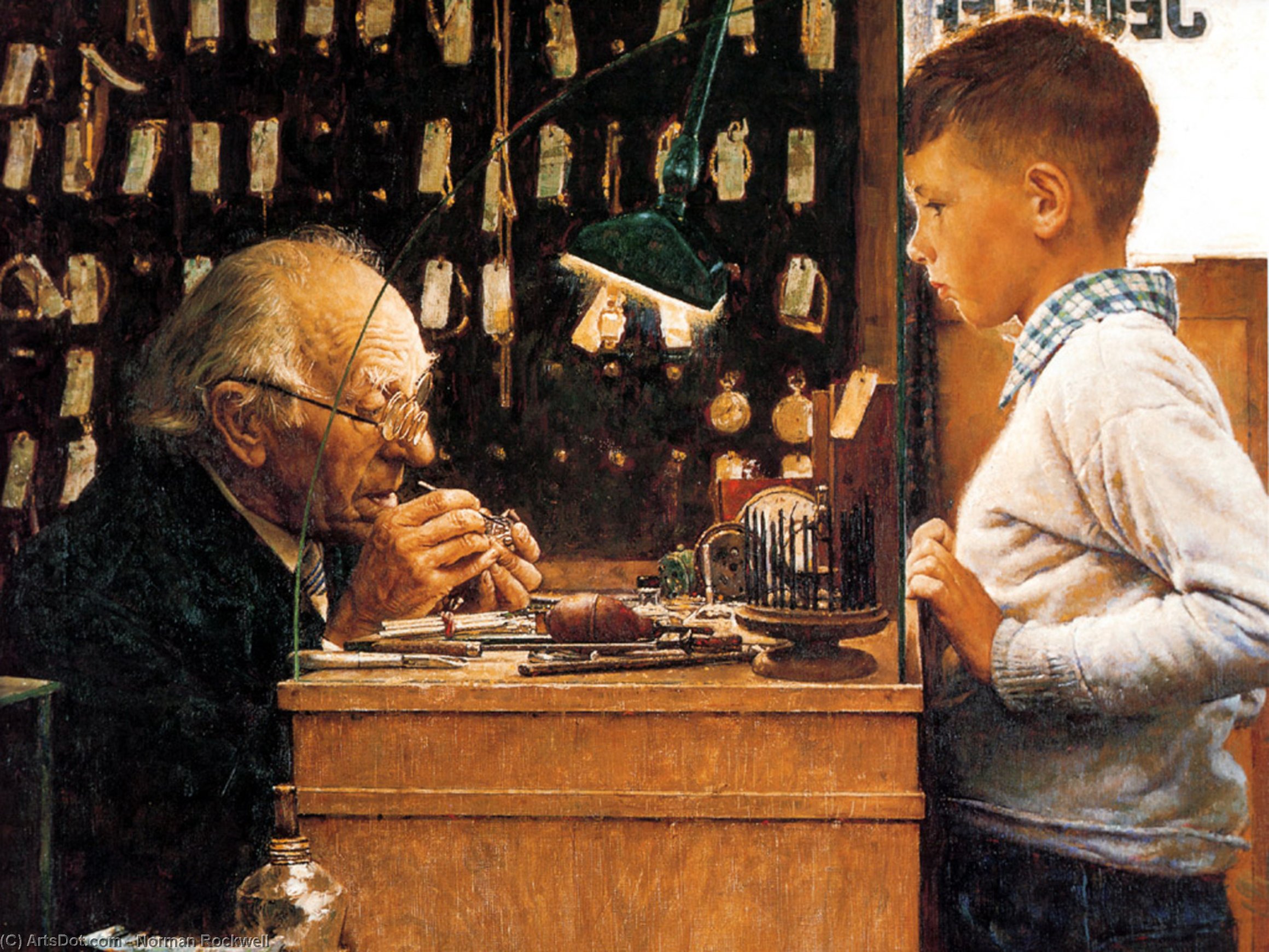
The watchmaker of Switzerland

 Read More
Purchase a high-resolution, enhanced digital image, far superior to the online preview.
Each file is meticulously prepared by our in-house specialists using advanced tools and expert manual retouching. We ensure every image has exceptional clarity, precise color accuracy, and fine detail.
The final file is delivered via email within 72 hours, optimized for immediate use in professional, editorial, and print environments. This is the same quality trusted by top-tier design studios, publishers, and galleries.
Digital Image
Download a high-resolution file for personal display, printing, and creative projects. ( Buy Print Buy Hand Made Painting)
Included in Every Digital Image Order
Expert Digital Delivery, Guaranteed
When you choose ArtsDot.com, you're not just getting an image - you're receiving a professionally enhanced digital artwork, crafted with precision and backed by a satisfaction guarantee. Here's everything that comes with your order, automatically:

Fast Email Delivery
Your high-resolution digital image file will be emailed to you within 72 hours of ordering - ready for immediate use.

AI-Enhanced Digital File
Your artwork is professionally optimized using advanced AI tools and manual editing, ensuring maximum detail, clarity, and color accuracy.

Free Lifetime Re-Delivery
Accidentally deleted or lost your file? No worries - we'll resend it to you anytime, free of charge.

No Import Fees - Ever
Enjoy your artwork instantly with zero customs, duties, or delivery fees - digital downloads are always tax-free.

Color Accuracy Guarantee
We ensure your digital image reflects the original colors as closely as possible using professional tools and color management.

60-Day Satisfaction Guarantee
If you're not satisfied with your digital image, we'll revise it or refund 100% within 60 days - no questions asked.

100% Money-Back Guarantee
Not satisfied? Get a full refund within 60 days of receiving your digital file - no questions asked.

Bulk Order Discounts
Buy 3 images, save 10% - Buy 5, save 15% - Buy 10+, save 20%. Great for creative projects, galleries, and agencies.
Collectible Description
Background
Rockwell was at the height of his career when he received the commission from the Swiss Federation of Watchmakers. The painting was intended to elevate the profile of the watchmaking industry in Switzerland, and Rockwell was chosen for his ability to portray American culture in a relatable and engaging way.Analysis
The painting depicts a watchmaker at work, surrounded by tools and gears. The focus is on the watchmaker's hands, which are meticulously assembling a watch. This attention to detail reflects Rockwell's own approach to his work, as he was known for his painstaking attention to even the smallest details. The use of light in the painting is also noteworthy. The watchmaker is illuminated by a single overhead light, which casts a warm glow over the scene and highlights the importance of craftsmanship in the watchmaking process. This lighting creates a sense of intimacy and warmth, drawing the viewer into the scene and inviting them to appreciate the skill and dedication of the watchmaker.Significance
"The Watchmaker of Switzerland" is significant not only for its depiction of the watchmaking process but also for its representation of American culture. Rockwell's ability to capture the essence of American life in his works has made him one of the most beloved painters in the country, and this painting is no exception.Conclusion
In conclusion, "The Watchmaker of Switzerland" by Norman Rockwell is a masterful work that showcases the artist's ability to capture the essence of American culture in his paintings. The attention to detail, use of light, and representation of craftsmanship make this painting a standout example of Rockwell's talent and a beloved piece in the world of American art. The Crystal Bridges Art Museum, located in Bentonville, Arkansas, is home to a vast collection of American art, including several works by Norman Rockwell. Visitors can view "The Watchmaker of Switzerland" and other iconic pieces in person at this hidden gem of American art. Norman Rockwell: The Watchmaker of Switzerland (Regionalism), published on ArtsDot.com, offers a more in-depth analysis of the painting and its significance in the world of American art. This article is a valuable resource for anyone looking to learn more about this iconic work and the artist who created it.Related Artworks





Artist Biography
A Mirror to the American Soul: The Life and Legacy of Norman Rockwell
Norman Percevel Rockwell, born in New York City in 1894, wasn’t merely an illustrator; he was a visual chronicler of the American experience. From his earliest ambitions as a young boy sketching in notebooks to his decades-long association with *The Saturday Evening Post*, Rockwell possessed an uncanny ability to capture the essence of everyday life, transforming seemingly mundane moments into iconic representations of national identity. His lineage traced back to John Rockwell, who arrived in colonial North America in 1635, suggesting a deep-rooted connection to the nation’s formative years—a connection that would profoundly influence his artistic vision. Rockwell's formal training began at the age of fourteen with enrollment at the Chase Art School, followed by studies at the National Academy of Design and the Art Students League, where he honed his skills under the tutelage of masters like Thomas Fogarty and Frank Vincent Dumond. These foundational years instilled in him a mastery of technique that would serve as the bedrock for his narrative storytelling.Illustrating an Ideal: Rockwell’s Artistic Development
Rockwell's career blossomed with his first *Saturday Evening Post* cover in 1916, marking the beginning of a remarkable partnership that spanned nearly half a century and yielded over 300 covers. These weren’t simply illustrations; they were windows into an idealized America—a world of wholesome families, charming small towns, and enduring values. His early work often featured lighthearted scenes, imbued with a gentle humor and warmth that resonated deeply with the American public. However, Rockwell's artistic scope extended far beyond idyllic depictions. As the nation navigated turbulent times – two World Wars, the Great Depression, and the Civil Rights Movement – his art began to reflect these complexities. The *Willie Gillis* series, for example, offered a poignant portrayal of an ordinary soldier’s experiences during World War II, humanizing the conflict and capturing the anxieties and hopes of a generation. His wartime contributions weren't limited to character studies; the *Four Freedoms* paintings—Freedom of Speech, Freedom of Worship, Freedom from Want, and Freedom from Fear—became powerful symbols of American ideals, raising over $130 million for war relief through their widespread exhibition and reproduction.Beyond Sentimentality: Confronting Social Realities
While often celebrated for his nostalgic depictions of Americana, Rockwell was not immune to criticism. Some dismissed his work as overly sentimental or lacking in artistic depth. However, a closer examination reveals a willingness to confront difficult social issues, particularly in the later stages of his career. *The Problem We All Live With*, painted in 1964, stands as a powerful testament to this evolution. The painting depicts Ruby Bridges, a six-year-old African American girl, being escorted to school by federal marshals amidst a backdrop of racial hatred and prejudice. This work, displayed in the White House during President Obama’s administration, transcended its initial context to become an enduring symbol of the struggle for civil rights. Rockwell's willingness to tackle such sensitive subjects demonstrated a growing commitment to using his art as a vehicle for social commentary, challenging viewers to confront uncomfortable truths about their society. His illustrations for *Look* magazine during this period further solidified his reputation as an artist willing to engage with contemporary issues.A Lasting Cultural Impact
Norman Rockwell’s influence extends far beyond the realm of illustration. He became synonymous with a particular vision of America—one rooted in community, family values, and a sense of optimism. His work has permeated popular culture, inspiring countless artists, writers, and filmmakers. The term “Rockwellesque” itself has entered the lexicon, used to describe images that evoke a nostalgic or idealized portrayal of American life. Despite initial skepticism from some art critics, Rockwell’s legacy has endured, with his paintings now commanding significant prices in the art market and adorning the walls of museums across the country, most notably at the Norman Rockwell Museum in Stockbridge, Massachusetts—a testament to his enduring appeal. He received the Presidential Medal of Freedom in 1977, a fitting recognition of his profound contribution to American culture. Rockwell’s art continues to resonate with audiences today, reminding us of our shared history, our aspirations, and the enduring power of storytelling. His ability to capture the human spirit—with all its complexities and contradictions—ensures that his work will remain a vital part of the American cultural landscape for generations to come.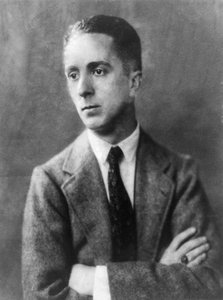
Norman Rockwell
1894 - 1978 , United States of America
Quick Facts
- Artistic Movement Or Style: Realism, Illustration
- Artists Who Influenced This Artist:
- Thomas Fogarty
- George Bridgman
- Frank Dumond
- Date Of Birth: February 3, 1894
- Date Of Death: November 8, 1978
- Full Name: Norman Percevel Rockwell
- Nationality: American
- Notable Artworks:
- Willie Gillis series
- Rosie the Riveter
- Four Freedoms
- Saying Grace
- The Problem We All Live With
- Place Of Birth: New York City, USA

