 Preview
 Send
Send Share
Share
 Details

 Download
 Similars
 X-Ray
X-Ray Diaporama
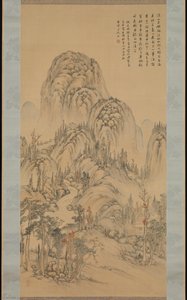
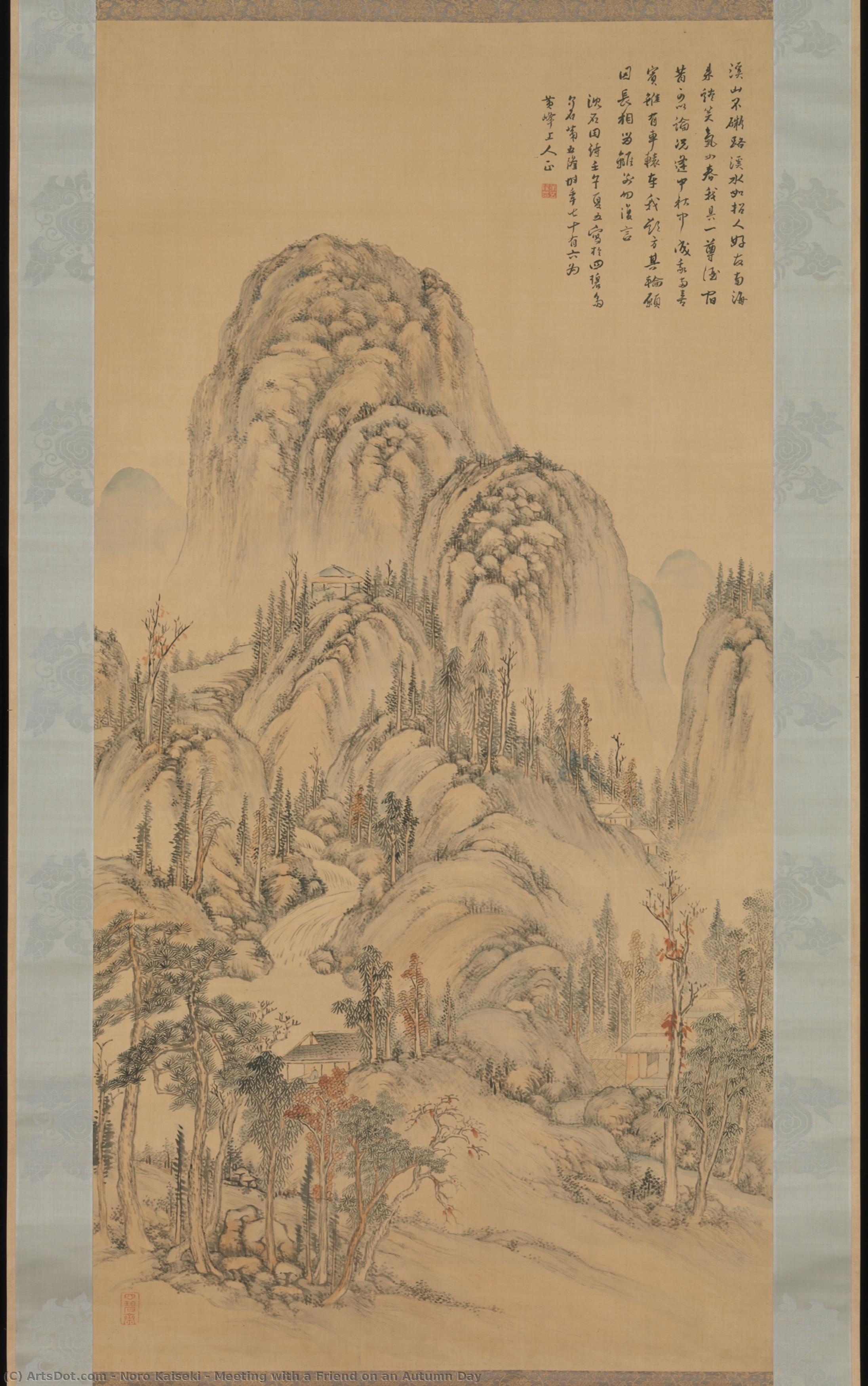
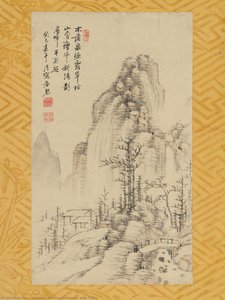
Meeting with a Friend on an Autumn Day
 1822
1822 137.0 x 68.0 cm
 Read More
Giclée / Art Print
Museum-quality giclée or canvas print with fast production and flexible finish options. ( Buy Hand Made Painting Buy Image)




































Pick from our preset sizes that match the artwork's original proportions.

You may enter your own dimensions to fit a specific frame or space. If your selected size does not match the original image's proportions, we will either crop the artwork or extend the image with a mirrored or solid-fill edge. A digital mockup will be sent for your approval before production begins.
Please note that the on-screen preview does not reflect the actual cropping or extension. Only the mockup will accurately show the final composition.
While custom sizes are available, we recommend selecting a dimension from the predefined list to preserve the original proportions.
Worldwide Delivery () in 2 weeks instead of standard 4/5 weeks. (28 August)

Free Worldwide Express Shipping

High-Quality Linen Canvas

Full Shipping Insurance

Customs Tax Refund Guarantee

True Color Matching Guarantee

60-Day Return Policy (Defects Only)

100% Money-Back Guarantee

Bulk Discount Offer
 Glass option is only available in size under 110 CM

Meeting with a Friend on an Autumn Day
Giclée / Art Print
Reproduction Size
-


Total Price
$ 63
Related Artworks








Artist Biography
Noro Kaiseki: A Master of Nature’s Echoes
Noro Kaiseki, born Taketsuru in 1747 in the village of Taketa within the Kishu domain (present-day Wakayama Prefecture), stands as a towering figure in late Edo period Japanese art. His life and career were inextricably linked to the cultural landscape of his time, particularly the flourishing tradition of *Nanga* painting – literally “southern school,” referring to its roots in Chinese literati painting. He lived until 1828, leaving behind a legacy that cemented his place among Japan’s three most celebrated Nanga artists alongside Sesshu Toyo and Koetsu Matsuda. His work offers a profound meditation on nature, spirituality, and the quiet beauty of everyday life, reflecting a deep connection to both the natural world and the philosophical currents of his era.The Kishu Domain and Artistic Formation
Noro Kaiseki’s formative years were spent within the relatively isolated environment of the Kishu domain, a region known for its independent spirit and patronage of the arts. This geographical seclusion fostered a unique artistic atmosphere, encouraging introspection and a focus on subtle observation – qualities that would profoundly influence his style. Unlike many artists who sought fame in the bustling capital cities, Kaiseki remained largely rooted in his provincial home, dedicating himself to the rigorous study of traditional techniques and developing his own distinctive voice. His early training likely involved apprenticeships with established local painters, absorbing their knowledge while simultaneously forging a path towards originality. The Kishu domain’s emphasis on *shakkei* – borrowing scenery – is also reflected in Kaiseki's compositions, often incorporating distant mountain ranges or evocative landscapes into his works, creating a sense of depth and atmospheric perspective.The Essence of Nanga: Nature as Spiritual Guide
Noro Kaiseki’s work exemplifies the core tenets of *Nanga* painting. Unlike the vibrant, narrative-driven styles favored by court artists, *Nanga* prioritized capturing the essence of nature through understated brushwork and a focus on suggestion rather than explicit representation. Kaiseki's paintings are characterized by their serene atmosphere, delicate color palettes, and meticulous attention to detail – particularly in rendering textures like moss, stone, and water. He rarely depicted human figures directly; instead, he used them as subtle anchors within the landscape, suggesting a deeper connection between humanity and the natural world. His compositions often evoke a sense of quiet contemplation, inviting the viewer to lose themselves in the beauty of the scene and contemplate its spiritual significance. The influence of Chinese literati painting is undeniable, particularly in his use of *sumi-e* (ink wash) techniques and his emphasis on capturing the spirit of the subject rather than merely replicating it visually.Technique and Style: A Master of Subtlety
Kaiseki’s technical mastery is evident in every brushstroke. He employed a remarkably restrained approach, utilizing subtle gradations of ink to create nuanced tonal variations and atmospheric effects. His *sumi-e* technique was characterized by its fluidity and control, allowing him to build up layers of color with incredible precision. He favored a muted palette – predominantly browns, grays, greens, and ochres – which contributed significantly to the paintings’ somber yet evocative mood. A key element of his style is the use of *ma*—negative space—to create visual balance and suggest depth. This technique, borrowed from Zen Buddhism, emphasizes the importance of emptiness and allows the viewer's imagination to fill in the gaps, fostering a deeper connection with the artwork. His compositions often feature asymmetrical arrangements, further enhancing their sense of naturalness and spontaneity.Legacy and Historical Significance
Noro Kaiseki’s influence on subsequent generations of Japanese painters is considerable. He helped to establish *Nanga* as a distinct artistic tradition, moving it away from purely imitative approaches and towards a more introspective and spiritual mode of expression. His paintings are prized for their quiet beauty, technical skill, and profound sense of connection to nature. Today, his works are housed in major museums throughout Japan and beyond, serving as enduring testaments to the power of understated elegance and the timeless appeal of *Nanga* painting. He remains a pivotal figure in Japanese art history, embodying the ideals of simplicity, contemplation, and the harmonious relationship between humanity and the natural world – values that continue to resonate with viewers centuries after his death.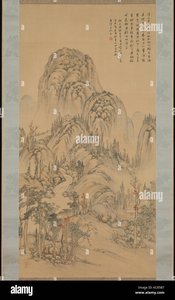
noro kaiseki
1747 - 1828 , Japan
Quick Facts
- Artistic Movement Or Style: Nanga painter
- Date Of Birth: 1747
- Date Of Death: 1828
- Full Name: noro kaiseki
- Nationality: Japanese
- Notable Artworks:
- Green Peaks
- Meeting with a Friend
- Place Of Birth: Taketsuru, Japan