 Preview
 Send
Send Share
Share
 Details

 Download
 Similars
 X-Ray
X-Ray Diaporama
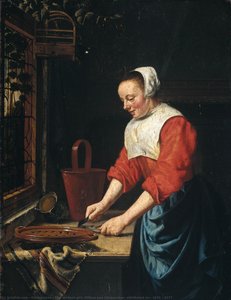
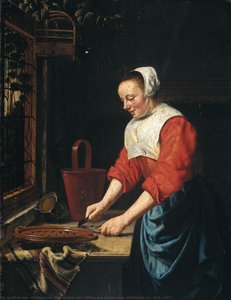
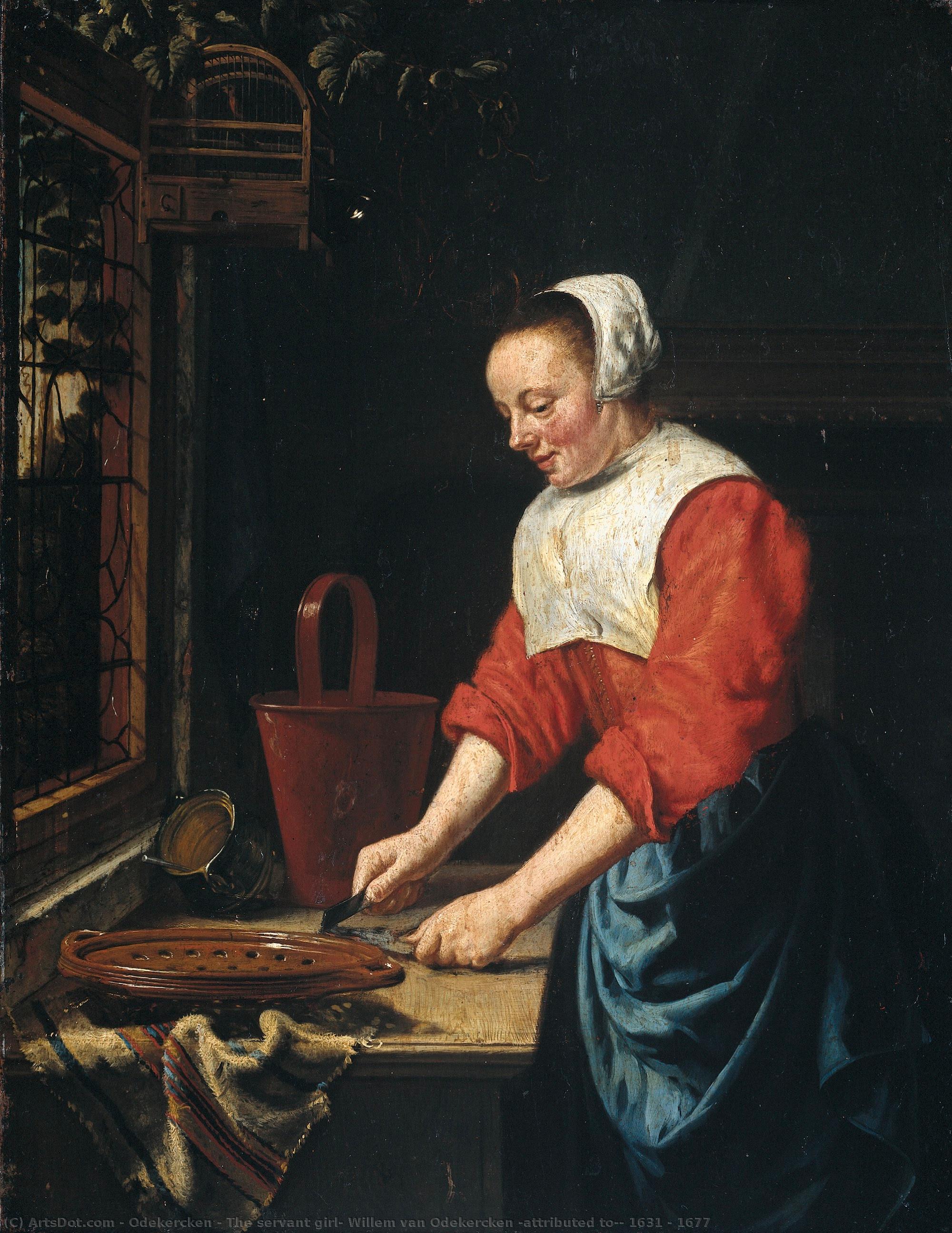
The servant girl, Willem van Odekercken (attributed to), 1631 - 1677
 1677
1677 31.0 x 24.0 cm
 Read More
Giclée / Art Print
Museum-quality giclée or canvas print with fast production and flexible finish options. ( Buy Hand Made Painting Buy Image)




































Pick from our preset sizes that match the artwork's original proportions.

You may enter your own dimensions to fit a specific frame or space. If your selected size does not match the original image's proportions, we will either crop the artwork or extend the image with a mirrored or solid-fill edge. A digital mockup will be sent for your approval before production begins.
Please note that the on-screen preview does not reflect the actual cropping or extension. Only the mockup will accurately show the final composition.
While custom sizes are available, we recommend selecting a dimension from the predefined list to preserve the original proportions.
Worldwide Delivery () in 2 weeks instead of standard 4/5 weeks. (22 August)

Free Worldwide Express Shipping

High-Quality Linen Canvas

Full Shipping Insurance

Customs Tax Refund Guarantee

True Color Matching Guarantee

60-Day Return Policy (Defects Only)

100% Money-Back Guarantee

Bulk Discount Offer
 Glass option is only available in size under 110 CM

The servant girl, Willem van Odekercken (attributed to), 1631 - 1677
Giclée / Art Print
Reproduction Size
-


Total Price
$ 63
Collectible Description
Related Artworks






Artist Biography
Early Life and Artistic Awakening
The story of this artist is one steeped in quiet observation, a gradual unfolding rather than a sudden burst onto the scene. Born into a modest family, their early years were marked by a deep connection to nature – sprawling landscapes, intricate flora, and the ever-changing play of light became foundational elements in their visual vocabulary. Formal artistic training was limited; instead, they honed their skills through self-study, voracious reading on art history and technique, and countless hours spent sketching outdoors. This lack of conventional schooling fostered a unique perspective, free from rigid dogma and allowing for an intuitive exploration of form and color. It wasn't until later in life that the artist began to seriously pursue painting, initially as a means of personal expression, a way to capture the fleeting beauty they perceived in the world around them. This early period was characterized by experimentation – a restless search for a style that could adequately convey their inner vision. They absorbed influences from various sources, but never fully aligned with any single movement, preferring instead to forge their own path.The Development of a Distinct Style
The artist’s work underwent a significant transformation as they matured. Early paintings, while demonstrating technical proficiency, lacked the emotional depth and distinctive voice that would come to define their oeuvre. A pivotal moment came during a period of extended travel, where exposure to diverse cultures and artistic traditions broadened their horizons. They were particularly captivated by the subtle nuances of Eastern painting, its emphasis on simplicity, balance, and spiritual resonance. This influence is evident in the gradual simplification of forms, the restrained color palettes, and the increasing focus on atmospheric effects. Over time, they developed a signature style characterized by luminous washes of color, delicate brushwork, and an almost ethereal quality. Their paintings are not literal representations of reality but rather evocative interpretations – capturing the essence of a place or moment through mood and suggestion. The artist’s mastery of light is particularly noteworthy, creating a sense of depth and atmosphere that draws the viewer into the scene.Major Themes and Recurring Motifs
Throughout their career, certain themes and motifs consistently reappear in the artist's work. Landscapes are central, but they are rarely idyllic or picturesque. Instead, they often depict scenes of solitude, contemplation, and a sense of melancholy. The human figure is also present, though typically rendered as small, isolated forms within vast natural settings – emphasizing the individual’s relationship to the larger world. Water plays a particularly significant role, symbolizing fluidity, change, and the passage of time. Recurring motifs include ancient trees, weathered stones, and abandoned structures – all evocative of history, memory, and the impermanence of life. These elements are not merely decorative but rather serve as symbolic anchors, inviting viewers to contemplate deeper philosophical questions about existence, mortality, and the search for meaning. The artist’s work is imbued with a sense of quiet spirituality, a reverence for nature, and a profound understanding of the human condition.Recognition and Historical Significance
For many years, the artist remained largely unknown outside of a small circle of admirers. Their work was not commercially successful, and they often struggled to make ends meet. However, their dedication to their craft never wavered. Recognition came gradually, beginning with local exhibitions and critical acclaim in regional art journals. Over time, their reputation grew, attracting the attention of collectors and curators from around the world. Today, their paintings are held in numerous prestigious museums and private collections. The artist’s historical significance lies in their ability to bridge the gap between Eastern and Western artistic traditions, creating a unique visual language that transcends cultural boundaries. They are considered a pivotal figure in contemporary landscape painting, influencing generations of artists with their subtle yet powerful approach. Their work is often praised for its emotional depth, technical mastery, and profound spiritual resonance – offering viewers a glimpse into the beauty and mystery of the natural world.Legacy and Continuing Influence
The artist’s legacy extends far beyond the canvas. They were not only a gifted painter but also a dedicated teacher, mentoring countless young artists and inspiring them to pursue their own creative visions. Their emphasis on self-study, experimentation, and intuitive expression continues to resonate with aspiring painters today.- Their work challenges conventional notions of representation, inviting viewers to engage with art on a deeper emotional level.
- They demonstrated the power of simplicity and restraint, proving that less can often be more.
- The artist’s commitment to their craft serves as an inspiration to artists of all disciplines.