 Preview
 Send
Send Share
Share
 Details

 Download
 Similars
 X-Ray
X-Ray Diaporama
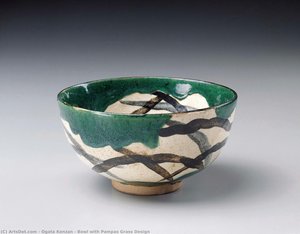
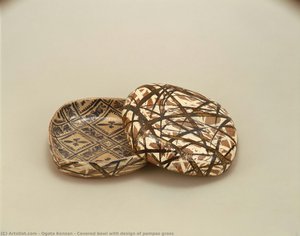
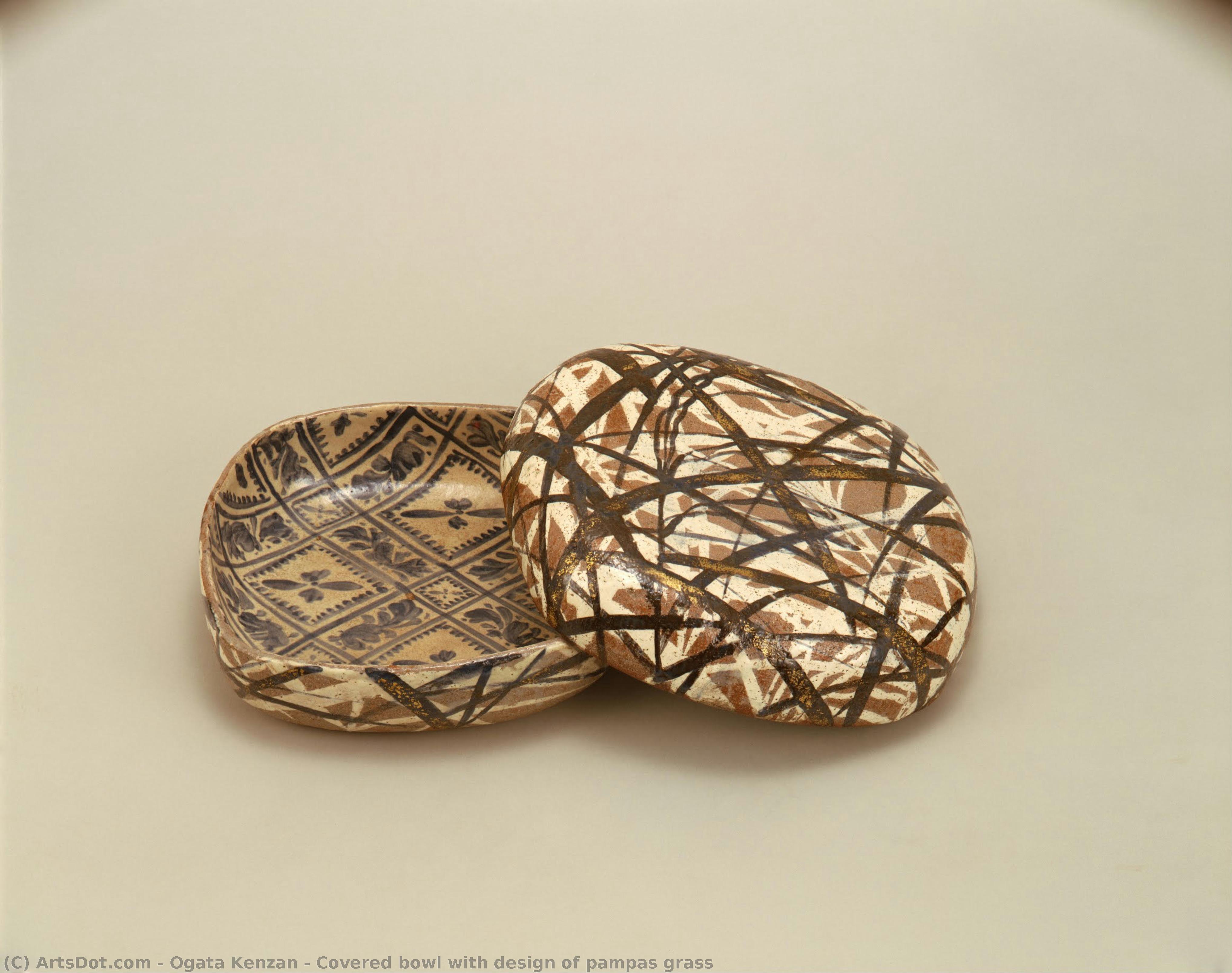
Covered bowl with design of pampas grass
 1700
1700 264.0 x 82.0 cm
 Suntory Museum of Art
 Read More
Hand Made Oil Reproduction
Hand-painted oil on canvas in your size and frame, made to order by our artists. ( Buy Print Buy Image)




































Pick from our preset sizes that match the artwork's original proportions.

You may enter your own dimensions to fit a specific frame or space. If your selected size does not match the original image's proportions, we will either crop the artwork or extend the painting with additional hand-painted elements. A digital mockup will be sent for your approval before production begins.
Please note that the on-screen preview does not reflect the actual cropping or extension. Only the mockup will accurately show the final composition.
While custom sizes are available, we recommend selecting a dimension from the predefined list to preserve the original proportions.
After order, ArtsDot.com team will email client for instructions and provide a mockup preview
Worldwide Delivery () in 3/4 weeks instead of standard 5 weeks. (25 August). No compromise on quality.

Free Worldwide Express Shipping

High-Quality Linen Canvas

Full Shipping Insurance

Customs Tax Refund Guarantee

True Color Matching Guarantee

60-Day Return Policy (Defects Only)

100% Money-Back Guarantee

Bulk Discount Offer
 Glass option is only available in size under 110 CM

Covered bowl with design of pampas grass
Reproduction Medium
Reproduction Size
-


Total Price
$ 263
Artwork Description
Related Artworks









Artist Biography
The Soul of the Edo Period: The Life and Legacy of Ogata Kenzan
In the vibrant, culturally rich landscape of the Edo period, few names resonate with as much grace and multidisciplinary mastery as Ogata Kenzan. Born in 1663 as Ogata Shinsei into a prosperous Kyoto kimono merchant family, Kenzan was destined for a life steeped in the finest aesthetics of Japan. His upbringing within the Kariganeya shop—a business patronized by the very elite of the Tokugawa shogunate—provided him with an intimate understanding of texture, pattern, and the profound importance of visual harmony. While his elder brother, the legendary painter Ogata Kōrin, would go on to define the expressive brushwork of the Rinpa school, Kenzan carved a unique path that bridged the gap between the tactile world of ceramics and the ethereal realm of painting.
Kenzan’s artistic journey was deeply rooted in the traditions of Kyoto. He sought mentorship under the esteemed potter Nonomura Ninsei, whose mastery of Kyō ware provided Kenzan with a foundational command over subtle glazes and elegant forms. This training was not merely technical; it was an immersion into a philosophy where every vessel held the potential for storytelling. As he matured, Kenzan established his own kiln in Narutaki, mirroring the workshop environments of his predecessors. His work began to reflect a revolutionary approach to ceramics, where he treated the clay surface not just as a functional medium, but as a canvas for intricate, painterly compositions.
A Symbiosis of Clay and Canvas
The true brilliance of Kenzan lies in his ability to fuse disparate artistic disciplines into a singular, cohesive vision. Through his close collaboration with his brother Kōrin, Kenzan became a pivotal figure in the Rinpa school. Together, they pioneered a style characterized by asymmetrical arrangements and evocative depictions of the natural world. In Kenzan’s hands, pottery became an extension of painting. He utilized the ceramic surface to express themes of seasonal change, using graceful grasses, delicate blossoms, and flowing water to breathe life into stoneware and porcelain.
His technical achievements were marked by a sophisticated use of Kyō ware and Kiyomizu ware techniques. Kenzan’s signature style often featured:
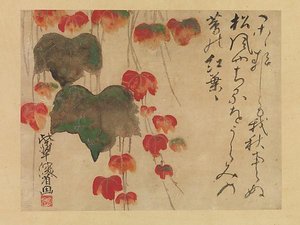
- Intricate Decorative Motifs: The use of bold yet delicate designs that captured the fleeting beauty of nature, such as autumn ivy or spring blossoms.
- Calligraphic Integration: A seamless blending of poetic text and visual imagery, where the rhythm of the brushstrokes in calligraphy complemented the organic shapes of the painted flora.
- Innovative Glazing: The application of subtle, translucent glazes that allowed for a sense of depth and three-dimensionality even within a relatively flat design language.
As he aged, Kenzan’s focus shifted. In his later years, having passed the stewardship of his ceramics studio to his adopted son, he turned his full attention toward purely graphic works. This period saw him producing striking paintings and calligraphy that leaned into a more minimalist, graphic aesthetic, proving that his creative spirit remained undiminished by time.
Historical Significance and Enduring Influence
The historical importance of Ogata Kenzan extends far beyond the boundaries of 18th-century Japan. He was a master of tranquility and innovation, a creator who could honor the weight of tradition while simultaneously pushing the boundaries of what a ceramic object could represent. His ability to elevate functional objects—bowls, plates, and tea utensils—into works of high art fundamentally altered the trajectory of Japanese decorative arts.
Today, Kenzan is remembered not just as a potter or a painter, but as a complete artist whose work embodies the spirit of the Edo period. His legacy lives on in the enduring popularity of the Rinpa style and in the continued reverence for Kyō ware. To study a piece by Kenzan is to witness a profound dialogue between the earth and the brush, a testament to a life spent seeking beauty in the simplest forms of nature. His influence remains a cornerstone for collectors and scholars alike, standing as a monumental pillar of Japanese cultural heritage.
ogata kenzan
1663 - 1743
Quick Facts
- Artistic Movement Or Style: Rinpa School
- Artists Or Movements Influenced By This Artist: ["Hon'ami Kōetsu"]
- Artists Who Influenced This Artist: ['Ogata Kōrin']
- Date Of Death: 1743
- Full Name: Ogata Kenzan
- Nationality: Japanese
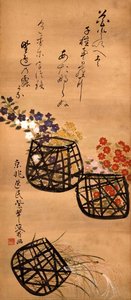
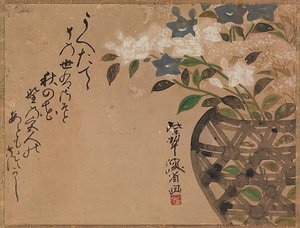
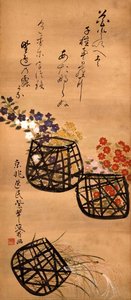
- Notable Artworks: ['Autumn Flowerbaskets']
- Place Of Birth: Kyoto