 Preview
 Send
Send Share
Share
 Details

 Download
 Similars
 X-Ray
X-Ray Diaporama
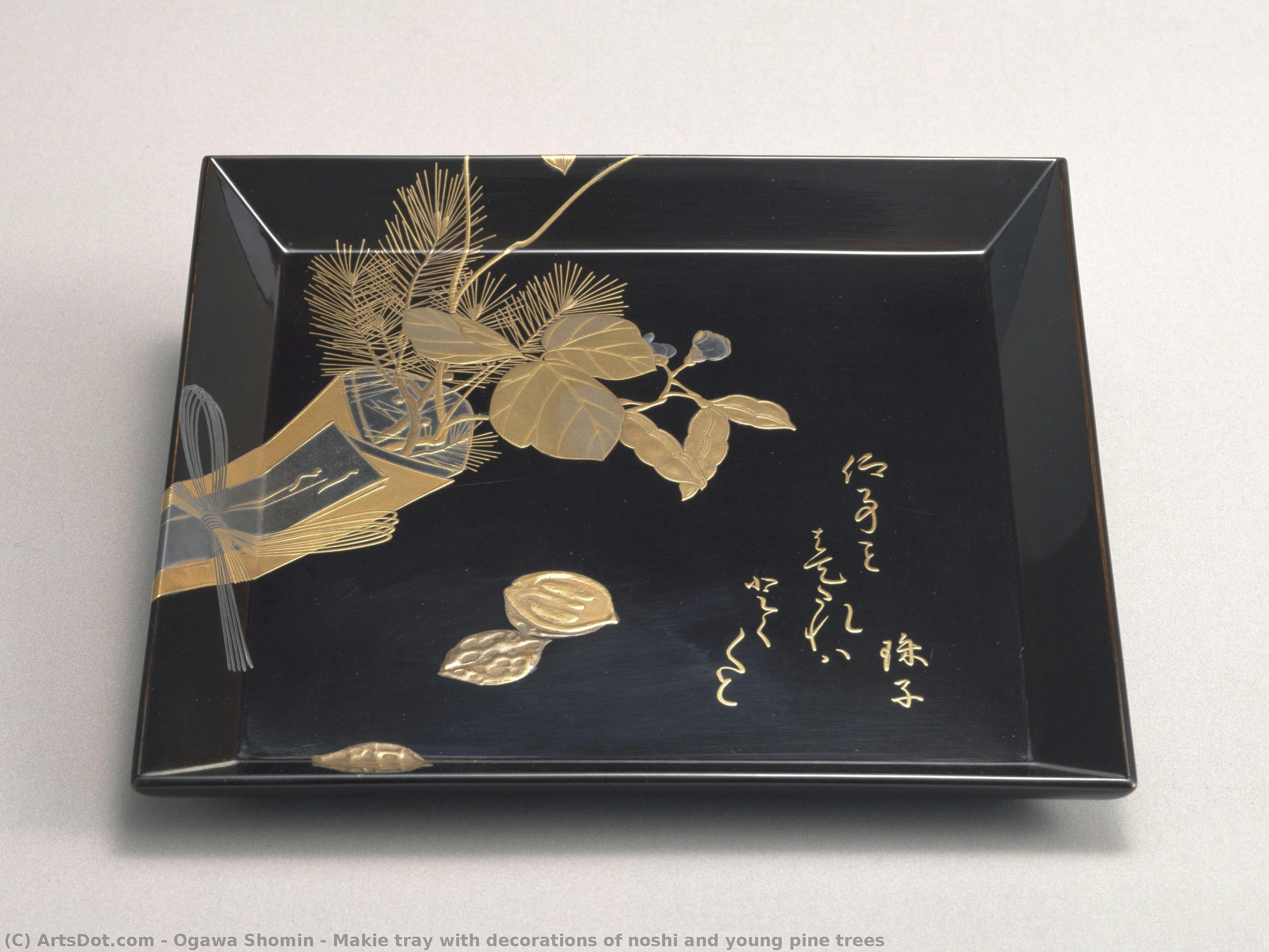
Makie tray with decorations of noshi and young pine trees
 18.0 x 18.0 cm
 Read More
Hand Made Oil Reproduction
Hand-painted oil on canvas in your size and frame, made to order by our artists. ( Buy Print Buy Image)




































Pick from our preset sizes that match the artwork's original proportions.

You may enter your own dimensions to fit a specific frame or space. If your selected size does not match the original image's proportions, we will either crop the artwork or extend the painting with additional hand-painted elements. A digital mockup will be sent for your approval before production begins.
Please note that the on-screen preview does not reflect the actual cropping or extension. Only the mockup will accurately show the final composition.
While custom sizes are available, we recommend selecting a dimension from the predefined list to preserve the original proportions.
After order, ArtsDot.com team will email client for instructions and provide a mockup preview
Worldwide Delivery () in 3/4 weeks instead of standard 5 weeks. (3 September). No compromise on quality.

Free Worldwide Express Shipping

High-Quality Linen Canvas

Full Shipping Insurance

Customs Tax Refund Guarantee

True Color Matching Guarantee

60-Day Return Policy (Defects Only)

100% Money-Back Guarantee

Bulk Discount Offer
 Glass option is only available in size under 110 CM

Makie tray with decorations of noshi and young pine trees
Reproduction Medium
Reproduction Size
-


Total Price
$ 263
Related Artworks






Artist Biography
A Pioneer of Maki-e: The Life and Legacy of Ogawa Shomin
Ogawa Shomin, born in Edo (modern Tokyo) in 1847, emerged as a pivotal figure in the world of Japanese lacquer art during a period of rapid transformation. His life coincided with the late Edo period and the early Meiji era, a time when Japan transitioned from centuries of isolation to active engagement with the West. This dynamic shift profoundly influenced Shomin’s artistic path, leading him to become not only a master craftsman but also an influential educator who helped preserve and evolve traditional techniques. Apprenticed at the young age of sixteen to Nakayama Komin, a renowned maki-e artist, Shomin quickly demonstrated exceptional talent for replicating antique lacquerware. This early training instilled in him a deep respect for historical styles and a meticulous approach to his craft. However, he wasn’t merely a copyist; Shomin possessed an innate artistic sensibility that allowed him to imbue his work with originality and grace.The Art of Imitation and the Pursuit of Excellence
Shomin's initial renown stemmed from his remarkable ability to imitate old lacquer pictures – a skill highly prized in a society that deeply valued its cultural heritage. During the Edo period, collecting antique lacquerware was a popular pastime among the elite, but authentic pieces were often scarce and expensive. Shomin filled this demand by creating exquisitely detailed reproductions that captured the essence of earlier works. This wasn’t simply about technical proficiency; it required an intimate understanding of materials, techniques, and the aesthetic principles underlying each historical style. He mastered the complex process of maki-e – literally “sprinkled picture” – which involves layering lacquer with gold or silver powder to create intricate designs. His dedication to replicating these older styles wasn’t a rejection of innovation but rather a foundation upon which he would later build his own artistic voice. It was through this rigorous study that Shomin developed an unparalleled command over the nuances of lacquer, enabling him to push the boundaries of the medium in subtle yet significant ways.A Teacher and Innovator: Shaping the Future of Lacquer Art
In 1887, a testament to his growing reputation and expertise, Ogawa Shomin was appointed as the first instructor in the lacquer department at the Tokyo School of Fine Arts (now Tokyo University of the Arts). This appointment marked a turning point not only in his career but also in the institutionalization of lacquer art education in Japan. He established a curriculum that emphasized both traditional techniques and artistic expression, fostering a new generation of lacquer artists who were equipped to carry on the legacy of their predecessors while exploring contemporary themes. Shomin’s influence extended beyond the classroom; he actively sought to promote Japanese lacquerware both domestically and internationally, recognizing its potential as a symbol of national identity and cultural refinement. While deeply rooted in tradition, Shomin also embraced new materials and approaches, subtly incorporating Western influences into his work without compromising the integrity of the maki-e technique.Traditional Motifs and Artistic Beauty
Shomin’s works are characterized by their technical skill, refined aesthetic sensibility, and a deep appreciation for traditional Japanese motifs. He frequently depicted subjects drawn from nature – pine trees, flowers, birds – imbued with symbolic meaning. The pine tree, for example, often represented longevity and resilience, while blossoms evoked the fleeting beauty of life. His *makie* tray with decorations of noshi and young pine trees exemplifies his mastery of detail and composition. Noshis are decorative paper ornaments traditionally given as gifts to express congratulations or good wishes, adding another layer of cultural significance to the piece. The delicate balance between realism and abstraction in his work reflects a distinctly Japanese aesthetic sensibility – one that values harmony, subtlety, and the evocative power of suggestion.Historical Significance and Enduring Legacy
Ogawa Shomin’s untimely death in 1891 at the age of 44 cut short a promising career, but his impact on Japanese lacquer art remains profound. He not only preserved invaluable traditional techniques but also laid the groundwork for their continued development in the modern era. His role as an educator ensured that the art of *maki-e* would be passed down to future generations, and his works continue to inspire artists and collectors alike. Shomin’s legacy is a testament to the power of artistic dedication, cultural preservation, and the enduring beauty of Japanese lacquerware. He stands as a bridge between the past and the present, embodying the spirit of innovation within tradition – a true master craftsman whose influence continues to resonate today.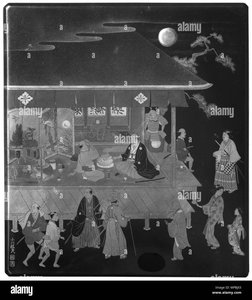
ogawa shomin
1847 - 1891 , Japan
Quick Facts
- Artistic Movement Or Style: Maki-e lacquer art
- Artists Who Influenced This Artist: ['Nakayama Komin']
- Date Of Birth: 1847
- Date Of Death: 1891
- Full Name: Ogawa Shomin
- Nationality: Japanese
- Notable Artworks:
- Makie tray with noshi
- Young pine trees
- Place Of Birth: Tokyo, Japan