 Preview
 Send
Send Share
Share
 Details

 Download
 Similars
 X-Ray
X-Ray Diaporama
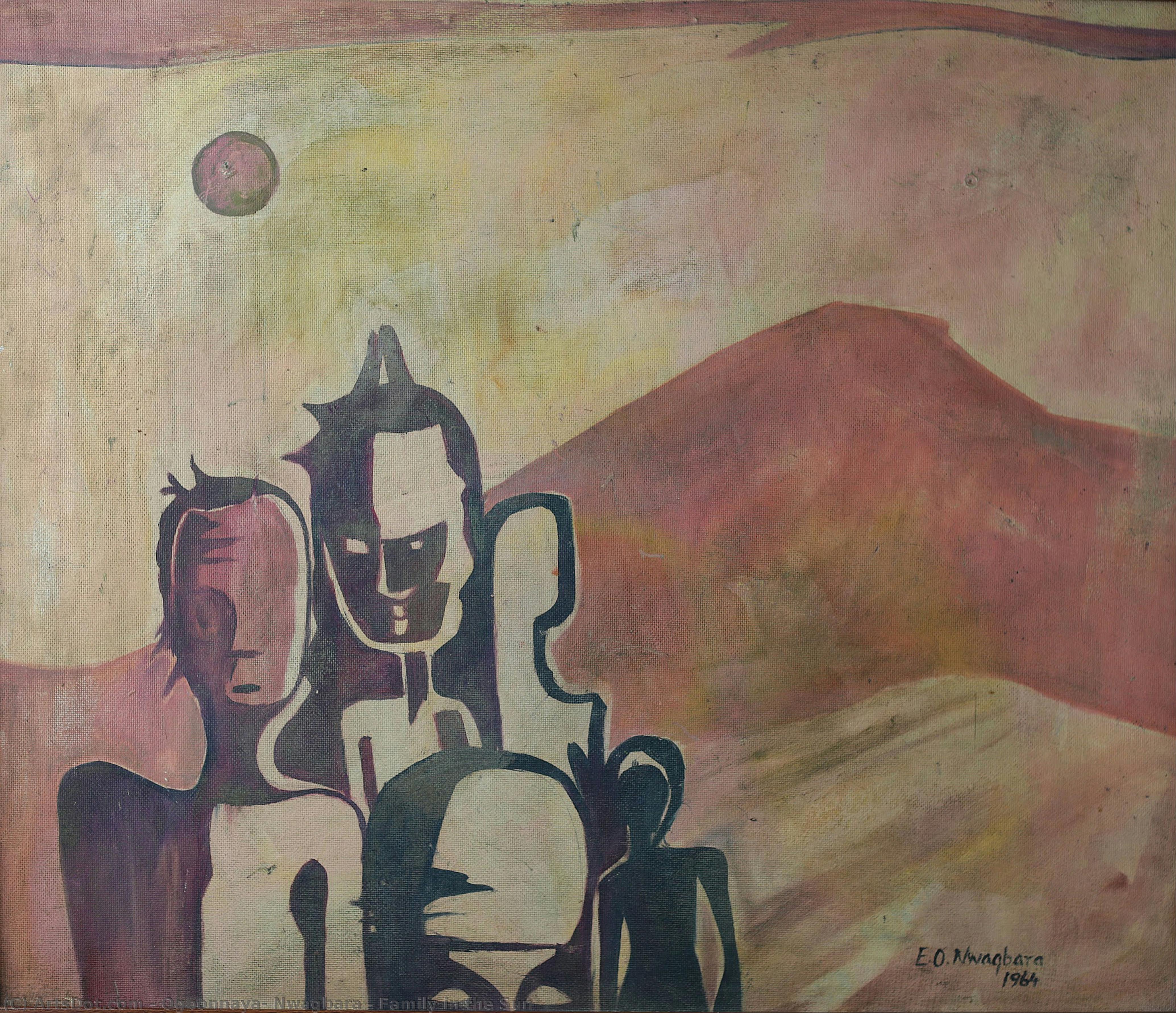
Family in the Sun
 Contemporary Realism
 1964
1964- Modern
 82.0 x 71.0 cm
 Yemisi Shyllon Museum of Art
 Read More
Giclée / Art Print
Museum-quality giclée or canvas print with fast production and flexible finish options. ( Buy Hand Made Painting Buy Image)




P118B $10

P118H $10

P118W $10

P438Z $10

P508JH $12

P508YH $12

P805H $10

P805Z $10

P919BZ $10

P919G $10

P919XJ $10

P959ZH $10

P968JZ $12

W106C $8

W218G $10

W218JH $8

W218Y $10

W307PJ $10

W316G $10

W316PJ $8

W316Y $10

W398PJ $8

W4111J $10

W500HY $15

W500JH $15

W692G $12

W849H $8

W940BG $15

W953PJ $8




Pick from our preset sizes that match the artwork's original proportions.

You may enter your own dimensions to fit a specific frame or space. If your selected size does not match the original image's proportions, we will either crop the artwork or extend the image with a mirrored or solid-fill edge. A digital mockup will be sent for your approval before production begins.
Please note that the on-screen preview does not reflect the actual cropping or extension. Only the mockup will accurately show the final composition.
While custom sizes are available, we recommend selecting a dimension from the predefined list to preserve the original proportions.
Worldwide Delivery () in 2 weeks instead of standard 4/5 weeks. (24 August)

Free Worldwide Express Shipping

High-Quality Linen Canvas

Full Shipping Insurance

Customs Tax Refund Guarantee

True Color Matching Guarantee

60-Day Return Policy (Defects Only)

100% Money-Back Guarantee

Bulk Discount Offer
 Glass option is only available in size under 110 CM

Family in the Sun
Giclée / Art Print
Reproduction Size
-


Total Price
$ 63
Related Artworks

Artist Biography
Early Life and Influences – A Caribbean Foundation
Frank Bowling’s artistic journey began far from the bustling art scenes of London or New York; it took root in the vibrant, yet often challenging, landscape of British Guiana (now Guyana) in 1934. Born Richard Sheridan Patrick Michael Aloysius Franklin Bowling to Irish immigrant parents, his early years were shaped by a unique blend of colonial and Caribbean experiences. His father, a tailor, instilled a respect for craft and meticulous detail, while his mother’s shop – a hub of activity and creativity – exposed him to the rhythms of daily life and the beauty of repurposed materials. This formative period, marked by the sounds of a bustling market and the scent of fabrics, would profoundly influence his later work, imbuing it with a sense of memory, texture, and layered meaning. Crucially, Bowling’s time at the Catholic Boys School and Barbice High School in New Amsterdam provided him with an early exposure to art and culture, fostering a nascent appreciation for visual expression that would blossom into a lifelong pursuit. The move to New Amsterdam, where his mother established her business, further solidified these influences, providing a grounding in domestic life and a keen eye for detail – elements he would later incorporate into his complex compositions.- Key Influences: Colonial Caribbean culture, tailoring skills from his father, the vibrant atmosphere of his mother’s shop, early exposure to art at school.
London and Artistic Training – A Shift in Perspective
In 1953, at the age of nineteen, Bowling embarked on a significant transition, relocating to London. This move marked not just a geographical shift but also a profound intellectual one. He enrolled at the Royal Air Force, where he forged friendships with fellow artists like Derek Boshier and Keith Critchlow, who introduced him to the burgeoning art scene in Britain. It was through Critchlow’s guidance that Bowling discovered the National Gallery, an experience that irrevocably altered his artistic trajectory. The works of British masters such as Constable, Turner, and Gainsborough captivated him with their masterful use of light, color, and texture – elements he would subsequently strive to emulate in his own paintings. Following a suspension from the Royal College of Art for violating rules regarding student-staff relationships, Bowling continued his studies at the Slade School of Art, honing his skills before graduating in 1962 with a silver medal. This period was crucial in shaping his artistic identity, laying the groundwork for his later explorations of abstraction and figuration.- Key Developments: Exposure to British art through the National Gallery, friendship with Derek Boshier and Keith Critchlow, studies at the Royal College of Art and Slade School of Art.
The Rise of Abstraction – Exploring Memory and Identity
Bowling’s artistic style evolved dramatically throughout the 1960s, moving away from representational painting towards a more abstract approach. Influenced by figures like Francis Bacon, he began to experiment with layering colors, incorporating found objects, and blurring the boundaries between image and surface. Works such as *Mirror* (1964-6) exemplify this shift, presenting fragmented reflections of memory and experience – echoes of his Caribbean upbringing interwoven with the complexities of urban life. His paintings became increasingly integrated, combining elements of figuration, abstraction, and collage, creating a rich tapestry of visual references. This period also saw Bowling grappling with questions of identity, particularly in relation to his heritage as a mixed-race individual navigating both British and Caribbean cultures. The incorporation of personal objects – remnants from his mother’s shop, for example – served as potent symbols of memory and belonging.- Key Characteristics: Layered colors, incorporation of found objects, blurring of image and surface, exploration of memory and identity.
Later Work and Legacy – A Complex and Enduring Vision
Throughout the 1970s and beyond, Bowling continued to push the boundaries of his artistic practice, experimenting with new materials and techniques. His work became increasingly characterized by a sense of fragmentation and ambiguity, reflecting the complexities of modern life. Despite facing personal challenges, including marital difficulties and financial struggles, he remained committed to his art, producing a prolific body of work that continues to be celebrated for its originality and emotional depth. Sir Frank Bowling’s legacy extends beyond individual artworks; it encompasses a pioneering spirit of experimentation and a willingness to challenge conventional notions of painting. His exploration of memory, identity, and the relationship between image and surface has had a profound influence on subsequent generations of artists, solidifying his place as one of the most important figures in British post-war art. His work is now held by major institutions worldwide, including the Tate Collection in London, testament to its enduring power and significance.- Key Achievements: Continued experimentation with materials and techniques throughout his career, recognition for originality and emotional depth, significant presence in major collections.
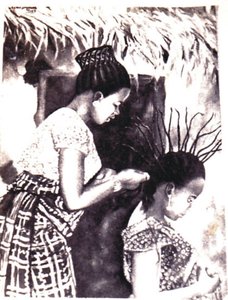
ogbonnaya, nwagbara
1934 - 1985 , Nigeria
Quick Facts
- Artistic Movement Or Style:
- Dada
- Surrealism
- Artists Or Movements Influenced By This Artist:
- Lee Miller
- Man Ray
- Artists Who Influenced This Artist: ['Francis Bacon']
- Date Of Birth: August 27, 1890
- Date Of Death: November 18, 1976
- Full Name: Emmanuel Radnitzky
- Nationality: American
- Notable Artworks: ['The Ghost of Vermeer of Delft']
- Place Of Birth: Philadelphia, USA
Related Articles

White on Canvas: 10 Masterpieces & Timeless Elegance for Your Home Decor
Explore 10 iconic white paintings by Monet, Whistler & Rothko! Discover the stories behind these serene masterpieces and their impact on art history. Find museum-quality reproductions for your home decor at .

Monochrome Visions: Exploring the Aesthetic & Historical Significance of Black & White Photography
Explore the rich history & artistic power of black and white photography. From early techniques to iconic masters like Ansel Adams, discover why monochrome continues to captivate art lovers today. Expert insights for collectors.

Dark Masterpieces: 10 Iconic Paintings Dominated by Black Tones |
Explore 10 iconic paintings dominated by black tones, from Rembrandt’s chiaroscuro to Goya's dark expressions. Discover the stories behind these masterpieces & find museum-quality art reproductions for your home at .
Chromatic Absence: Exploring the Aesthetic Power of Black & White Art
Explore the captivating world of monochrome art! Discover its rich history, influential artists like Malevich & Klein, and profound emotional impact. Expert insights for collectors & design enthusiasts.
The Subtleties of Shade: Exploring Black, White & Gray Abstraction in Modern Interior Design
Explore the power of black, white & gray abstraction in modern interior design. Discover how minimalist art impacts spatial perception & creates sophisticated hotel spaces. Expert insights for designers.