 Send
Send Share
Share
 Details

 Download
 Similars
 Diaporama
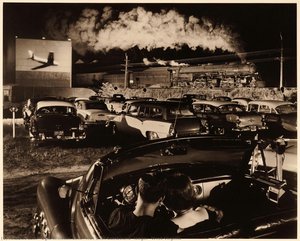
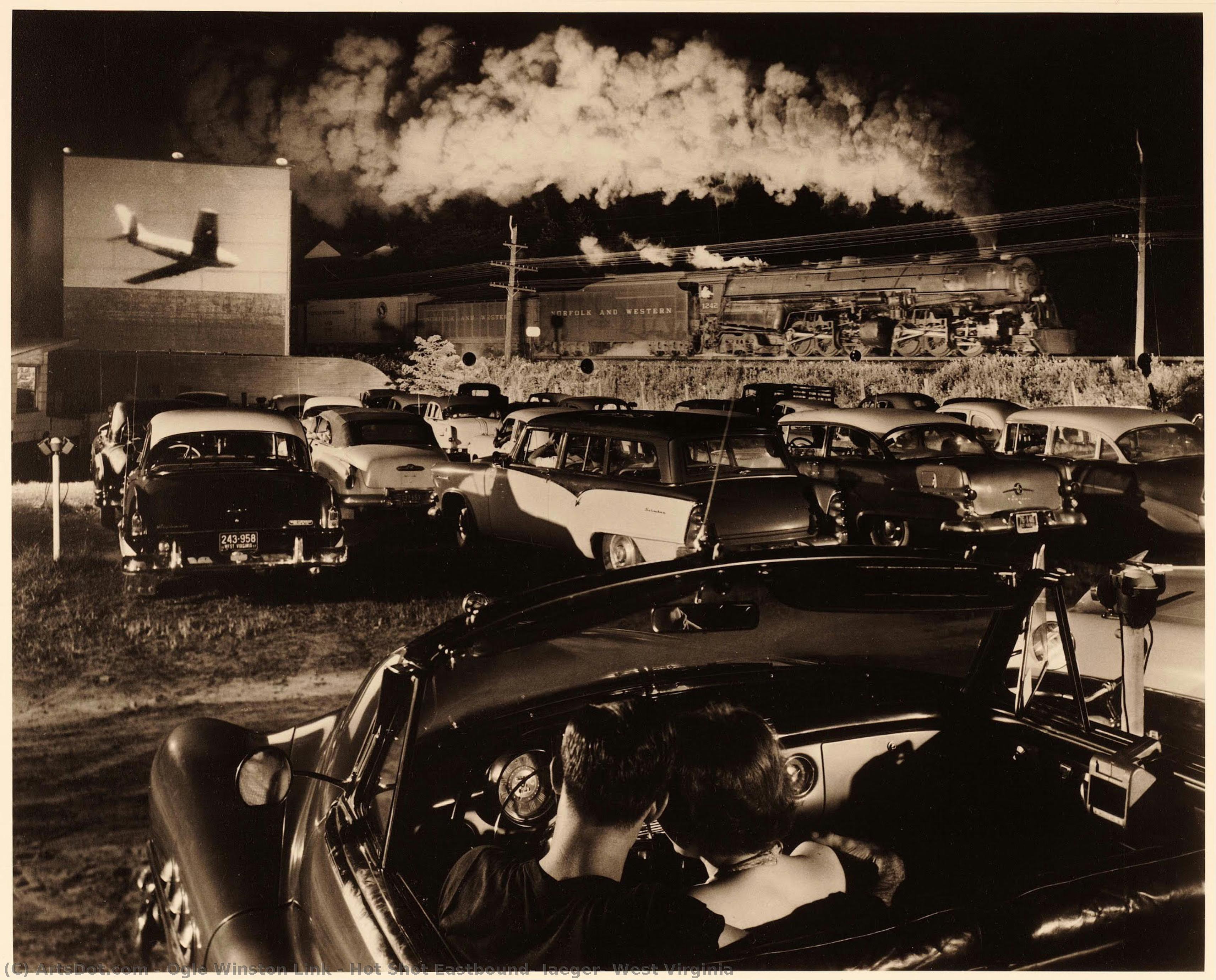
Hot Shot Eastbound, Iaeger, West Virginia


 Read More
Giclée / Art Print
Museum-quality giclée or canvas print with fast production and flexible finish options. ( Buy Hand Made Painting Buy Image)




































Pick from our preset sizes that match the artwork's original proportions.

You may enter your own dimensions to fit a specific frame or space. If your selected size does not match the original image's proportions, we will either crop the artwork or extend the image with a mirrored or solid-fill edge. A digital mockup will be sent for your approval before production begins.
Please note that the on-screen preview does not reflect the actual cropping or extension. Only the mockup will accurately show the final composition.
While custom sizes are available, we recommend selecting a dimension from the predefined list to preserve the original proportions.
Worldwide Delivery () in 2 weeks instead of standard 4/5 weeks. (23 August)

Free Worldwide Express Shipping

High-Quality Linen Canvas

Full Shipping Insurance

Customs Tax Refund Guarantee

True Color Matching Guarantee

60-Day Return Policy (Defects Only)

100% Money-Back Guarantee

Bulk Discount Offer
 Glass option is only available in size under 110 CM

Hot Shot Eastbound, Iaeger, West Virginia
Giclée / Art Print
Reproduction Size
-


Total Price
$ 63
Collectible Description
A Midnight Symphony in Silver and Shadow
In the quiet, moonlit expanse of West Virginia, 1956, Ogle Winston Link captured more than just a moment; he froze a heartbeat of American history. Hot Shot Eastbound, Iaeger, West Virginia is a breathtaking masterwork of black-and-white photography that transports the viewer into the luminous, nocturnal world of mid-century leisure. The scene unfolds at a drive-in movie theater, where the darkness of the night is pierced by dramatic, high-contrast lighting. In the foreground, a couple sits nestled within the curves of a classic convertible, bathed in a bright, cinematic spotlight that renders them as the protagonists of their own private drama. This intentional use of light creates an intimate stage, pulling the viewer into a shared moment of romance and quiet observation amidst the vastness of the night.
Beyond this intimate foreground, the composition expands into a complex, layered tapestry of mid-century life. The middle ground teems with the silhouettes of parked cars and the subtle movements of people, all part of a larger social ritual. Above this terrestrial gathering, the sky becomes a theater of motion, featuring an airplane gliding through the darkness and a steam train trailing its ghostly plumes. This layering of elements—the car, the plane, and the locomotive—creates a profound sense of depth and kinetic energy. Link’s ability to balance these disparate planes of focus ensures that while the eye is drawn to the central couple, it is never permitted to rest, constantly wandering through the textures of grain, steam, and shadow that define this iconic era.
The Art of the Night: Technique and Nostalgia
As a pioneer of night photography, Link utilized the traditional silver gelatin process to achieve a tonal range that feels almost tactile. The grainy texture inherent in the film of the 1950s adds a layer of atmospheric grit, lending the image an authentic, documentary-style realism. There is a rhythmic quality to the composition, where horizontal lines of automobiles and structures are punctuated by the vertical ascent of the airplane, creating a structured yet dynamic visual flow. The stark contrast between the deep, velvety blacks and the brilliant, blown-out highlights serves not only to define form but to evoke a powerful sense of nostalgia.
For the collector or interior designer, this piece offers much more than mere decoration; it provides an emotional anchor. It symbolizes a vanished era of simplicity, where mass entertainment and communal experiences were centered around the shared magic of the silver screen and the rhythmic pulse of the railroad. To hang a reproduction of this work is to invite a sense of timelessness and cinematic grandeur into a space. It serves as a conversation piece that celebrates the beauty found in the shadows, making it an exquisite choice for those looking to add depth, history, and a touch of mid-century soul to a sophisticated modern interior.
Related Artworks
Artist Biography
Marc Chagall: A Life Painted in Dreams
Born Moishe Chagall in Vitebsk, Belarus, on July 7, 1887, Marc Chagall’s life was a vibrant tapestry woven from the threads of Russian Jewish heritage, Parisian artistic innovation, and deeply personal emotion. His early years were steeped in the traditions of his family – a herring merchant father and a mother who instilled in him a love for literature and music. Despite limited formal education, Chagall's innate talent blossomed through informal instruction by local artists, setting the stage for a career that would profoundly impact the art world.
Chagall’s artistic journey began in Saint Petersburg, where he enrolled in several academies but quickly found himself drawn to the burgeoning avant-garde scene. It was here, encountering the works of Fauvism and Cubism, that he embraced a radical shift in his style – a move towards brighter colors and fragmented forms, reflecting the dynamism of modern life. He moved to Paris in 1911, immersing himself in the vibrant atmosphere of Montparnasse, where he encountered fellow artists like Léger, Soutine, and Apollinaire, absorbing their influences while forging his own distinctive voice.
The First World War dramatically altered Chagall’s life. With the outbreak of hostilities, he returned to Vitebsk, only to find himself embroiled in political turmoil and ultimately exiled from Russia. This period marked a turning point, leading him to settle in Paris and later, in 1923, to settle permanently in Nice, France. During this time, his work became increasingly introspective, exploring themes of memory, faith, and the complexities of human relationships. His paintings began to incorporate elements of Russian folklore and Jewish mysticism, creating a uniquely personal visual language.
The Early Years: Roots in Russia and Parisian Influence
Chagall’s formative years were deeply rooted in his Belarusian heritage. The vibrant colors, folk traditions, and religious symbolism of his childhood profoundly shaped his artistic vision. His early works often depicted scenes from Russian peasant life – simple, honest depictions of rural existence imbued with a sense of nostalgia and longing. These paintings, characterized by bold outlines and luminous hues, established a distinctive style that would become instantly recognizable.
However, Chagall’s exposure to Parisian art during his time in Saint Petersburg proved transformative. He was captivated by the Fauvist movement's emphasis on color and emotion, as well as the Cubist exploration of form and perspective. These influences led him to experiment with new techniques and approaches, gradually moving away from the more realistic depictions of his early work towards a more expressive and symbolic style.
His time in Paris was also marked by intense social interaction within the artistic community. He befriended prominent figures such as Max Jacob, André Salmon, and Guillaume Apollinaire, engaging in intellectual discussions and exchanging ideas that further fueled his creative development. These encounters broadened his horizons and exposed him to a wider range of artistic perspectives.
The “Russian Years” (1915-1922): A Return to Memory and Faith
Following the outbreak of World War I, Chagall returned to Vitebsk, only to find himself caught in the upheaval of the Russian Revolution. His attempts to contribute to the new Soviet government were met with suspicion and ultimately led to his exile. This period marked a significant shift in his artistic focus, as he turned inward to explore themes of memory, loss, and faith – deeply personal subjects rooted in his Jewish heritage.
During this time, Chagall produced some of his most emotionally resonant works, including *I and the Village* (1915), a poignant depiction of his childhood home, and *The Fiddler* (1916), a powerful evocation of Russian folk culture. These paintings are characterized by their dreamlike quality, fragmented forms, and symbolic imagery – reflecting Chagall’s desire to capture the essence of his past.
Despite facing political challenges and personal hardships, Chagall continued to exhibit his work in Moscow and Saint Petersburg, maintaining connections with leading intellectuals and artists. His commitment to artistic expression remained unwavering, even amidst the turmoil of revolutionary Russia.
Mature Style & Legacy (1923-2001): A Universal Language
Chagall’s move to Nice in 1923 marked a new chapter in his career. The warm Mediterranean climate and the vibrant artistic community provided an ideal environment for him to develop his mature style. During this period, he experimented with new techniques and materials, incorporating elements of Surrealism and exploring themes of love, marriage, and family.
His later works are characterized by their fantastical imagery, bold colors, and dynamic compositions. He continued to draw inspiration from Russian folklore, Jewish mysticism, and his personal experiences, creating a visual language that was both deeply rooted in his past and universally resonant. Chagall’s paintings often depict scenes of everyday life – couples dancing, children playing, religious figures – rendered with a sense of joy, wonder, and profound emotion.
Marc Chagall died on March 28, 2001, leaving behind an extraordinary body of work that continues to captivate audiences around the world. His unique artistic vision—a blend of personal memory, cultural heritage, and emotional intensity—solidifies his place as one of the most important artists of the 20th century.
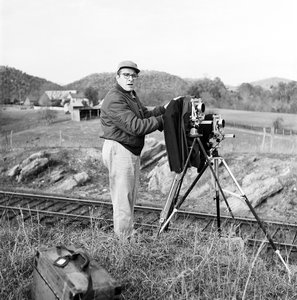
ogle winston link
1914 - 2001 , United States of America
Quick Facts
- Artistic Movement Or Style: Fauvism, Cubism
- Artists Or Movements Influenced By This Artist:
- Expressionism
- Surrealism
- Artists Who Influenced This Artist:
- Matisse
- Picasso
- Date Of Birth: July 7, 1887
- Date Of Death: 1980
- Full Name: Marc Chagall
- Nationality: French/Russian
- Notable Artworks:
- I and the Village
- Maternity
- The Fiddler
- Place Of Birth: Witebsk (Belarus)
Related Articles
White on Canvas: 10 Masterpieces & Timeless Elegance for Your Home Decor
Explore 10 iconic white paintings by Monet, Whistler & Rothko! Discover the stories behind these serene masterpieces and their impact on art history. Find museum-quality reproductions for your home decor at .

Dark Masterpieces: 10 Iconic Paintings Dominated by Black Tones |
Explore 10 iconic paintings dominated by black tones, from Rembrandt’s chiaroscuro to Goya's dark expressions. Discover the stories behind these masterpieces & find museum-quality art reproductions for your home at .

Monochrome Visions: Exploring the Aesthetic & Historical Significance of Black & White Photography
Explore the rich history & artistic power of black and white photography. From early techniques to iconic masters like Ansel Adams, discover why monochrome continues to captivate art lovers today. Expert insights for collectors.
From Snapshot to Statement: Elevating Personal Photography Through Black & White Fine Art Reproduction
Transform cherished photos into timeless black & white fine art with ArtsDot. Our expert artists create museum-quality reproductions – a lasting legacy for your home and family. Discover the artistry today.

The Subtleties of White: Exploring Absence, Light & Symbolism in Art History
Explore the profound symbolism & history of white in art! From ancient purity to modern abstraction, discover how artists have used absence & light. Expert insights from ArtsDot.