

 Preview
 Send
Send Share
Share
 Details

 Download
 Similars
 X-Ray
X-Ray Diaporama
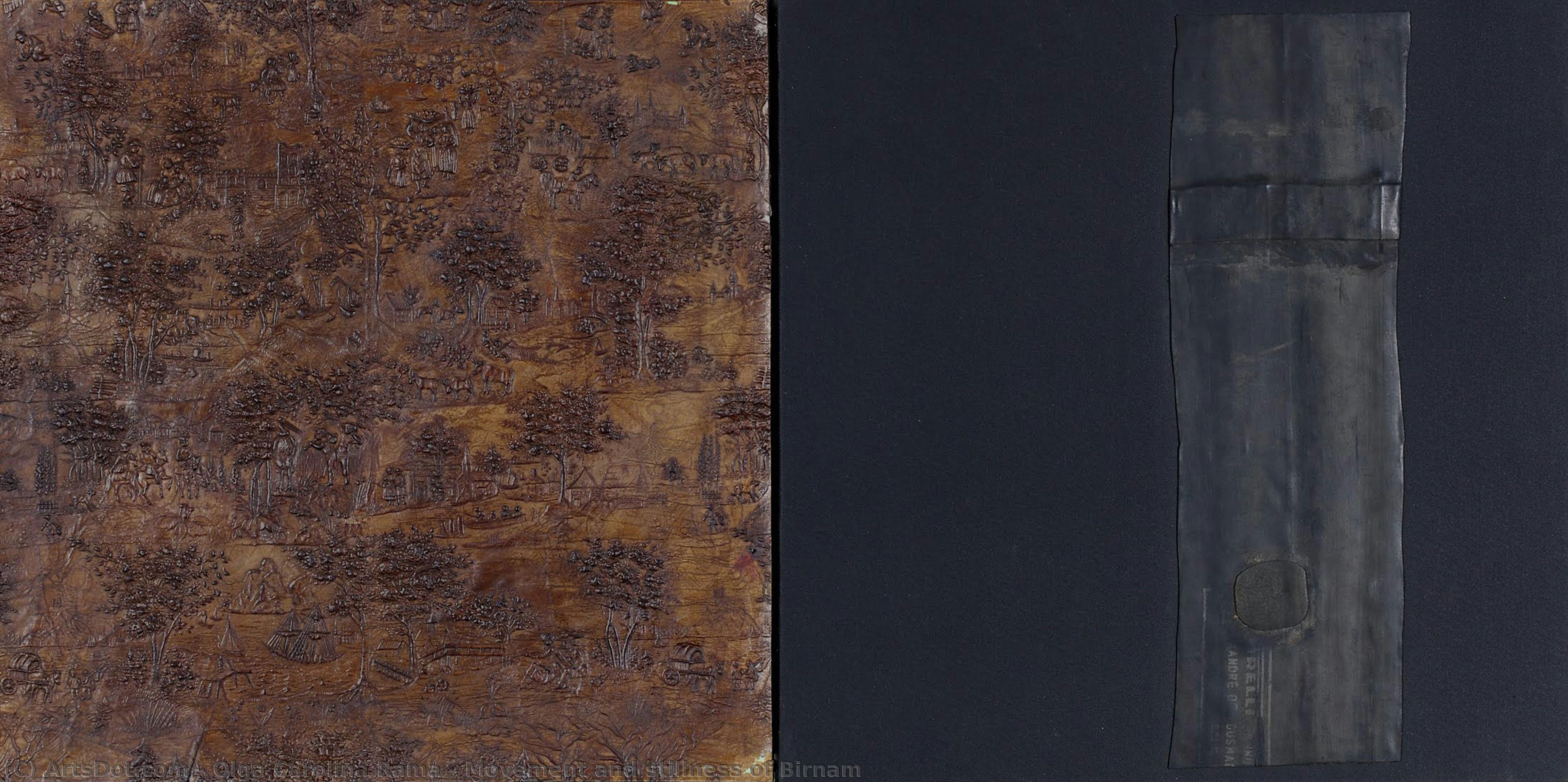
Movement and stillness of Birnam
 70.0 x 35.0 cm
 MAGA - Museo Arte Gallarate
 Read More
Purchase a high-resolution, enhanced digital image, far superior to the online preview.
Each file is meticulously prepared by our in-house specialists using advanced tools and expert manual retouching. We ensure every image has exceptional clarity, precise color accuracy, and fine detail.
The final file is delivered via email within 72 hours, optimized for immediate use in professional, editorial, and print environments. This is the same quality trusted by top-tier design studios, publishers, and galleries.
Digital Image
Download a high-resolution file for personal display, printing, and creative projects. ( Buy Print Buy Hand Made Painting)
Included in Every Digital Image Order
Expert Digital Delivery, Guaranteed
When you choose ArtsDot.com, you're not just getting an image - you're receiving a professionally enhanced digital artwork, crafted with precision and backed by a satisfaction guarantee. Here's everything that comes with your order, automatically:

Fast Email Delivery
Your high-resolution digital image file will be emailed to you within 72 hours of ordering - ready for immediate use.

AI-Enhanced Digital File
Your artwork is professionally optimized using advanced AI tools and manual editing, ensuring maximum detail, clarity, and color accuracy.

Free Lifetime Re-Delivery
Accidentally deleted or lost your file? No worries - we'll resend it to you anytime, free of charge.

No Import Fees - Ever
Enjoy your artwork instantly with zero customs, duties, or delivery fees - digital downloads are always tax-free.

Color Accuracy Guarantee
We ensure your digital image reflects the original colors as closely as possible using professional tools and color management.

60-Day Satisfaction Guarantee
If you're not satisfied with your digital image, we'll revise it or refund 100% within 60 days - no questions asked.

100% Money-Back Guarantee
Not satisfied? Get a full refund within 60 days of receiving your digital file - no questions asked.

Bulk Order Discounts
Buy 3 images, save 10% - Buy 5, save 15% - Buy 10+, save 20%. Great for creative projects, galleries, and agencies.
Collectible Description
Related Artworks







Artist Biography
Olga Carolina Rama: A Revolutionary Voice in Post-War Abstraction
Olga Carolina Rama, known affectionately as “Carol Rama,” was a singular figure in 20th-century art – an Italian self-taught artist who carved out a fiercely independent and profoundly provocative path. Born in Turin on April 17, 1918, into a family grappling with economic hardship following the collapse of her father’s engineering business, Rama’s early life was marked by instability and a deep connection to the asylum where her mother received treatment. This formative experience—witnessing the marginalized and unconventional within those walls—became a crucial wellspring for her artistic vision, shaping her distinctive style and challenging conventional notions of beauty and representation.
Rama’s formal training was deliberately eschewed; she believed that true art stemmed from instinct and personal experience. She began painting in her late teens, initially experimenting with watercolors on paper – a medium perfectly suited to her intimate explorations of the human form. Early works, often depicting women with startling directness and unflinching honesty, quickly established her reputation for challenging societal norms. The 1945 exhibition at the Faber Gallery in Turin, featuring these early pieces, was immediately censored by the Italian government due to their perceived obscenity, a testament to Rama’s willingness to confront taboo subjects and push artistic boundaries.
The Language of Eroticism and Trauma
Rama's art is undeniably rooted in eroticism, but it transcends simple sensuality. Her paintings are imbued with a complex blend of vulnerability, rage, and psychological intensity. She frequently depicted the female body in ways that were both unsettling and deeply moving – fragmented, distorted, and often confronting viewers with raw emotion. Influenced by Surrealist ideas, particularly those of Man Ray, she explored themes of confinement, loss, and the darker aspects of human experience. The asylum environment, where she spent countless hours observing its inhabitants, profoundly shaped her artistic language, informing her use of unsettling imagery and a fascination with the boundaries between sanity and madness.
Her technique was equally distinctive. Rama favored watercolor and oil on canvas, employing loose brushstrokes and a fluid application of color that created a sense of immediacy and spontaneity. She often layered pigments to achieve rich, textured surfaces, building up complex compositions that seemed to pulsate with inner energy. The use of color itself was deliberate – pale washes conveying vulnerability, punctuated by bold, vibrant hues representing moments of intense emotion or rebellion.
Evolution and Artistic Exploration
Following the initial censorship in 1945, Rama continued to develop her artistic practice, experimenting with various mediums and styles. In the 1950s, she became associated with the Concrete Art movement, embracing abstraction and incorporating geometric forms into her work. However, she soon returned to figurative painting, exploring new avenues of expression through “bricolages”—assemblages that combined organic materials like taxidermied eyes, nails, and tires with mechanical components and mathematical symbols. These assemblages reflected a growing interest in the intersection between art, science, and technology.
During the late 1960s and 70s, Rama’s work became increasingly influenced by Informalism, emphasizing materiality and process over traditional notions of representation. She collaborated with filmmakers Luis Buñuel and Orson Welles, further expanding her artistic horizons. Her later years saw a renewed interest in figuration, characterized by a fusion of abstraction and realism – a testament to her enduring commitment to exploring the complexities of human experience.
Legacy and Recognition
Despite facing significant obstacles throughout her career, including early censorship and relative obscurity outside Italy, Carol Rama’s work gained increasing recognition in the late 20th century. The curator Lea Vergine played a pivotal role in bringing Rama to international attention by including several of her early watercolors in the 1980 exhibition “L'altra metà dell’avanguardia” (The Other Half of the Avant-Garde). Since then, her work has been exhibited extensively around the world, and she received numerous accolades, including the Golden Lion for Lifetime Achievement at the 1983 Venice Biennale.
Rama’s legacy extends far beyond her individual achievements. She remains a pioneering figure in post-war abstraction and feminist art, inspiring artists with her fearless exploration of sexuality, trauma, and the complexities of the human psyche. Her work continues to challenge viewers to confront uncomfortable truths and embrace unconventional perspectives – a testament to her enduring power as an artist and a revolutionary voice in the history of modern art. Her retrospective at the New Museum in 2017, “Carol Rama: Antibodies,” solidified her place as a vital and influential figure in contemporary art.
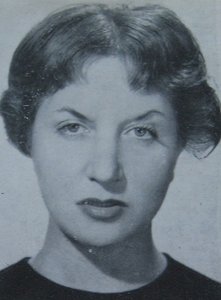
olga carolina rama
1918 - 2015 , Italy
Quick Facts
- Artistic Movement Or Style: Self-taught, Erotic abstraction
- Artists Or Movements Influenced By This Artist:
- Andy Warhol
- Man Ray
- Artists Who Influenced This Artist: ['Felice Casorati']
- Date Of Birth: April 17, 1918
- Date Of Death: September 25, 2015
- Full Name: Olga Carolina Rama”
- Nationality: Italian
- Notable Artworks:
- Grandma Carolina
- Compenetrazione iridescente n. 4
- Place Of Birth: Turin, Italy

