

 Send
Send Share
Share
 Details

 Download
 Similars
 Diaporama
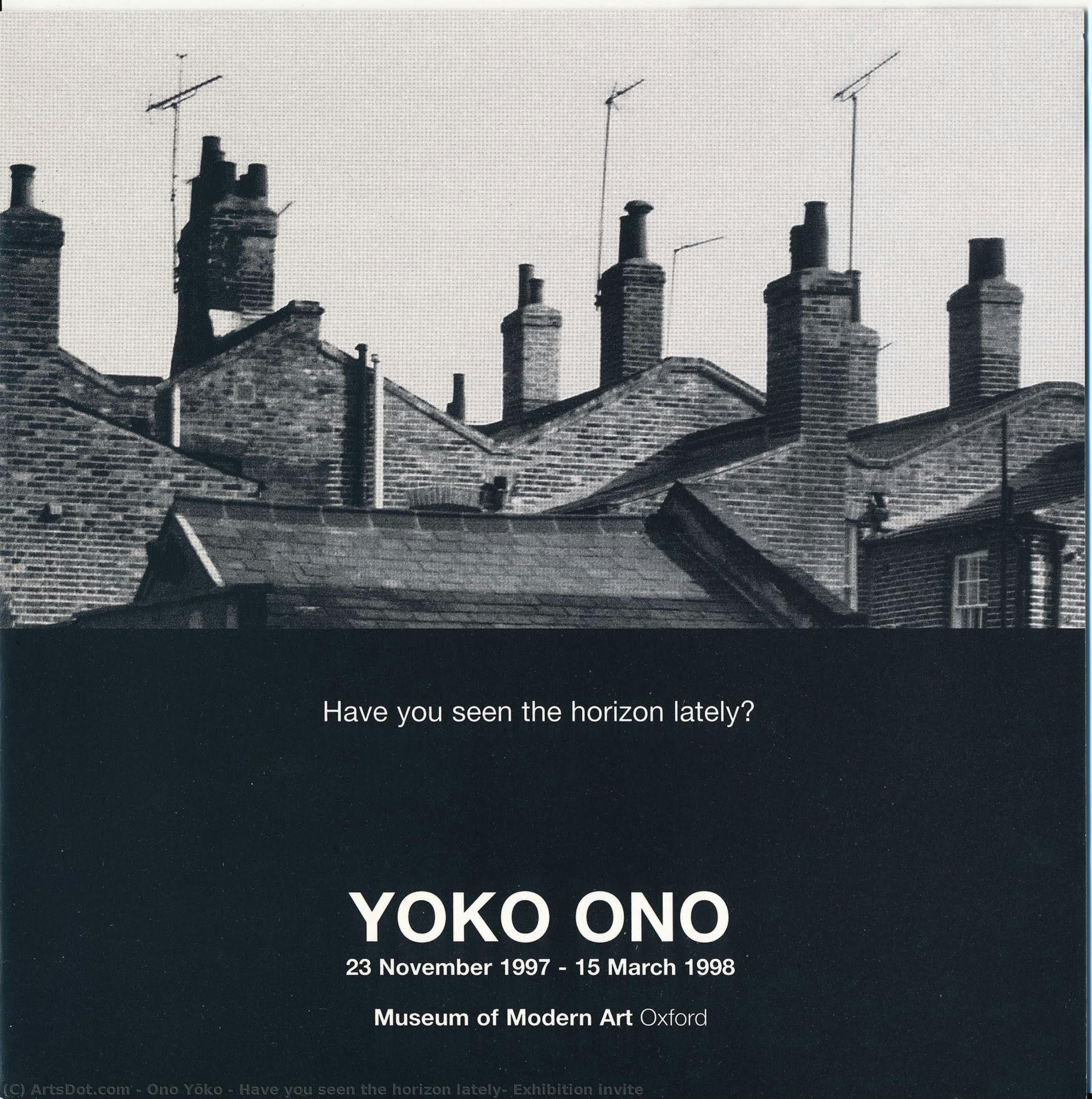
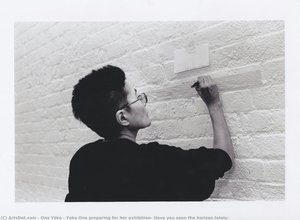
Have you seen the horizon lately? Exhibition invite


 Read More
Purchase a high-resolution, enhanced digital image, far superior to the online preview.
Each file is meticulously prepared by our in-house specialists using advanced tools and expert manual retouching. We ensure every image has exceptional clarity, precise color accuracy, and fine detail.
The final file is delivered via email within 72 hours, optimized for immediate use in professional, editorial, and print environments. This is the same quality trusted by top-tier design studios, publishers, and galleries.
Digital Image
Download a high-resolution file for personal display, printing, and creative projects. ( Buy Print Buy Hand Made Painting)
Included in Every Digital Image Order
Expert Digital Delivery, Guaranteed
When you choose ArtsDot.com, you're not just getting an image - you're receiving a professionally enhanced digital artwork, crafted with precision and backed by a satisfaction guarantee. Here's everything that comes with your order, automatically:

Fast Email Delivery
Your high-resolution digital image file will be emailed to you within 72 hours of ordering - ready for immediate use.

AI-Enhanced Digital File
Your artwork is professionally optimized using advanced AI tools and manual editing, ensuring maximum detail, clarity, and color accuracy.

Free Lifetime Re-Delivery
Accidentally deleted or lost your file? No worries - we'll resend it to you anytime, free of charge.

No Import Fees - Ever
Enjoy your artwork instantly with zero customs, duties, or delivery fees - digital downloads are always tax-free.

Color Accuracy Guarantee
We ensure your digital image reflects the original colors as closely as possible using professional tools and color management.

60-Day Satisfaction Guarantee
If you're not satisfied with your digital image, we'll revise it or refund 100% within 60 days - no questions asked.

100% Money-Back Guarantee
Not satisfied? Get a full refund within 60 days of receiving your digital file - no questions asked.

Bulk Order Discounts
Buy 3 images, save 10% - Buy 5, save 15% - Buy 10+, save 20%. Great for creative projects, galleries, and agencies.
Yoko Ono’s “Have You Seen The Horizon Lately?” – An Exploration of Perspective and Quiet Rebellion
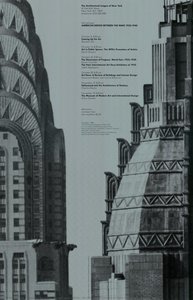
The photograph captures an invitation for Yoko Ono's exhibition at Modern Art Oxford, showcasing her seminal work "Have you seen the horizon lately?". Immediately striking is the image itself—a stark black and white depiction of a cityscape dominated by chimneys rising from rooftops. It’s not merely a visual record; it’s a deliberate framing that speaks volumes about Ono’s artistic vision and its broader philosophical implications.- Composition & Perspective: The photograph employs a wide panoramic view, emphasizing the horizontal expanse of the rooftops against the vertical thrust of the chimneys. This compositional choice isn't accidental; it subtly challenges conventional perspectives, prompting viewers to consider their own vantage point and awareness of surroundings—a core theme resonating throughout Ono’s oeuvre.
- Style & Technique: Executed in monochrome photography, the image prioritizes tonal gradation over vibrant color palettes. This deliberate restraint lends a sense of solemnity and introspection, mirroring Ono's artistic preoccupation with confronting uncomfortable truths and fostering contemplation. The photographer skillfully utilizes diffused lighting to soften shadows and create an atmosphere of quiet observation.
- Symbolism: The chimneys themselves serve as potent symbols—representing industrial progress alongside potential environmental degradation. Ono’s title, “Have you seen the horizon lately?”, is equally evocative, questioning complacency and urging viewers to actively engage with their environment and contemplate the future. It embodies a subtle rebellion against passive acceptance of societal norms.
- Historical Context: Ono's work emerged during the late 1960s and early 1970s, coinciding with significant artistic movements exploring conceptual art and challenging established aesthetic conventions. This photograph encapsulates that spirit of experimentation and intellectual curiosity—a legacy that continues to inspire artists today.
- Emotional Impact: Viewing “Have you seen the horizon lately?” evokes a feeling of quiet contemplation and understated urgency. The image’s simplicity encourages viewers to consider profound questions about our relationship with nature, society, and ourselves—questions Ono consistently posed through her art.
Related Artworks

Artist Biography
A Life Interwoven with Art and Activism
Yoko Ono, born in Tokyo in 1933, is a figure whose artistic journey transcends easy categorization. Her upbringing within an aristocratic Japanese family provided a foundation of privilege, yet her life was dramatically reshaped by the upheaval of World War II, experiences that instilled a profound sensitivity to human suffering and a commitment to peace—themes that would become central to her art. From a young age, Ono demonstrated a natural inclination towards creative expression, initially through piano studies, but soon expanding into broader artistic explorations. The family’s relocation to New York City in 1952 proved pivotal, immersing her in the burgeoning avant-garde scene and setting the stage for a career that would challenge conventional notions of art itself. Her early education at Sarah Lawrence College provided intellectual grounding, yet it was the vibrant downtown art world that truly ignited her artistic spirit.Embracing the Avant-Garde: Fluxus and Conceptual Beginnings
Ono quickly found herself drawn to the radical experimentation of the 1960s New York art scene, becoming a key member of the Fluxus movement. This international collective sought to dismantle traditional artistic boundaries, embracing chance, performance, and everyday life as legitimate sources of creative inspiration. Influenced by composers like John Cage—whose embrace of silence and indeterminacy profoundly impacted her approach—and artists such as La Monte Young, Ono began developing a unique artistic vocabulary centered on conceptualism. Her early works weren’t paintings or sculptures in the traditional sense; they were *events*, *happenings*, and instructional pieces designed to provoke thought and engage the audience directly. These performances often defied categorization, prioritizing ideas over aesthetics and blurring the line between artist and spectator. A prime example is her series of “Instruction Paintings,” which presented simple directives for viewers to complete, transforming them from passive observers into active participants in the artwork’s creation. This emphasis on participation foreshadowed a key element that would define much of her later work.Expanding Artistic Boundaries: From Performance to Peace
Ono's artistic output is remarkably diverse, spanning conceptual art, performance art, music, filmmaking, and tireless peace activism. Her “instructional pieces,” most notably compiled in *Grapefruit* (1964), are perhaps her most iconic contribution to conceptual art. These poetic prompts—ranging from the whimsical (“Imagine a raindrop”) to the profound (“Think of something you want to change”)—invite audiences to actively engage their imaginations and complete the artwork within their own minds. Installations like “Liverpool Skyladders” demonstrate her commitment to public art, creating monumental structures that interact with urban spaces and invite contemplation. The "Wish Tree" series, where visitors write wishes on tags and tie them to branches, embodies themes of hope, collective intention, and a yearning for peace—a recurring motif throughout her career. This desire for global harmony became increasingly prominent following her relationship with John Lennon, beginning in 1966. Their marriage in 1969 was met with intense media scrutiny, but it also provided a powerful platform for their shared activism. Together, they staged iconic protests against the Vietnam War, including the famous “Bed-Ins for Peace,” and formed the Plastic Ono Band, releasing critically acclaimed albums like *Wedding Album* and *Double Fantasy*, which earned them a Grammy Award in 1980.A Lasting Legacy of Innovation and Advocacy
Following the tragic death of John Lennon in 1980, Yoko Ono dedicated herself to preserving his legacy through initiatives like Strawberry Fields in Central Park and the Imagine Peace Tower in Iceland—a beacon of hope erected as a tribute to peace. She continues to create art and advocate for causes close to her heart: peace, environmental sustainability, and human rights. Her pioneering work has profoundly influenced generations of artists across various disciplines, challenging conventional norms and expanding the possibilities of artistic expression. Ono’s emphasis on conceptualism, audience participation, and social engagement remains remarkably relevant in contemporary art practice. She is recognized not only as a groundbreaking artist but also as a courageous activist who used her platform to promote positive change, leaving an indelible mark on both the art world and the global landscape. Her work reminds us that art can be more than just something to look at; it can be a catalyst for dialogue, healing, and transformation. Yoko Ono’s influence continues to resonate today, inspiring artists and activists alike to envision a more peaceful and equitable world.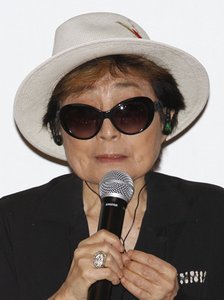
ono yōko
1933 - , Japan
Quick Facts
- Artistic Movement Or Style: Conceptual art, Fluxus
- Artists Or Movements Influenced By This Artist:
- Performance art
- Avant-garde music
- Artists Who Influenced This Artist:
- John Cage
- La Monte Young
- Date Of Birth: 1933
- Full Name: Yoko Ono
- Nationality: Japanese
- Notable Artworks:
- Grapefruit
- Liverpool Skyladders
- Wish Tree
- Hichiko Happo
- Place Of Birth: Tokyo, Japan

