

 Preview
 Send
Send Share
Share
 Details

 Download
 Similars
 X-Ray
X-Ray Diaporama
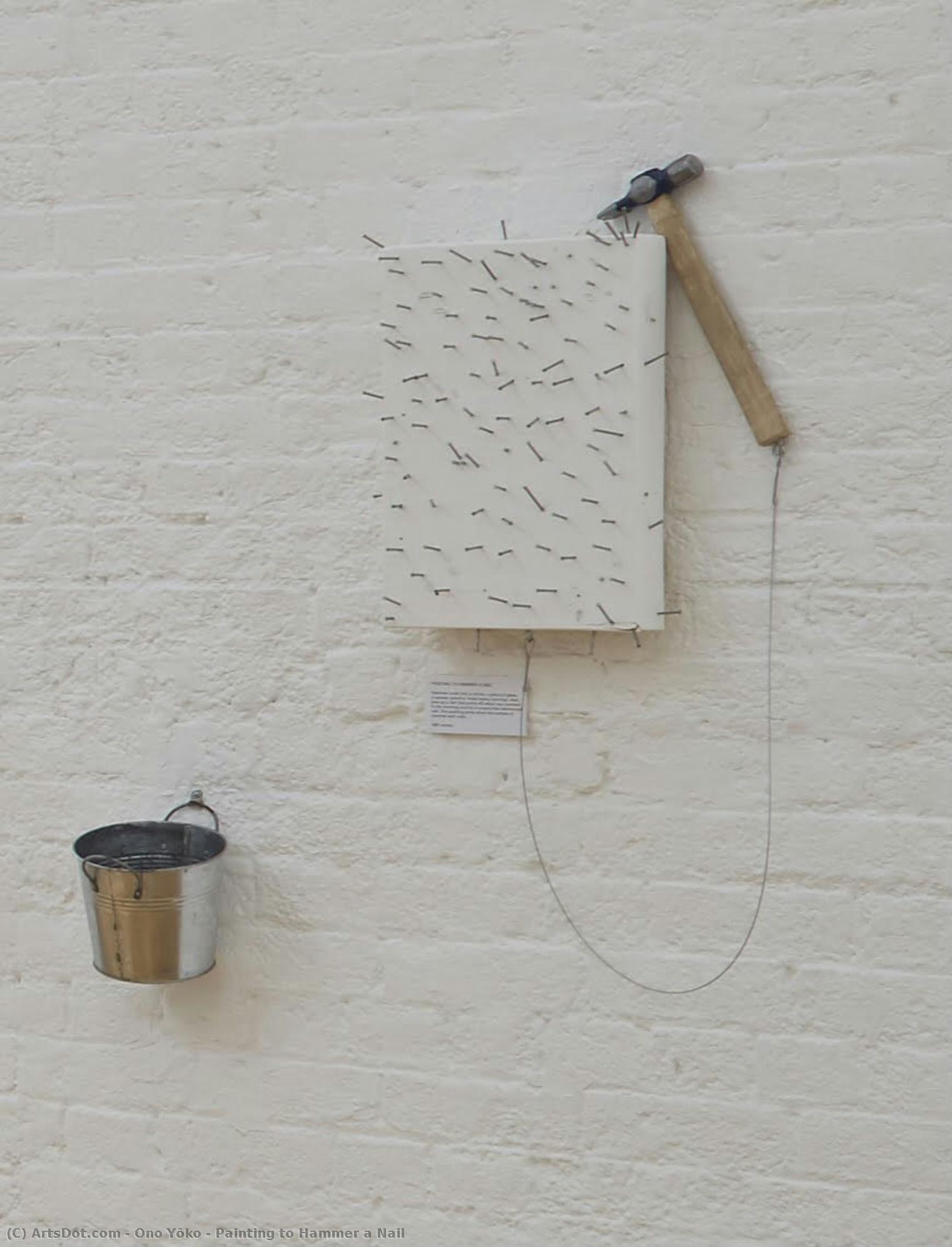
Painting to Hammer a Nail
 Conceptual Art
 30.0 x 44.0 cm
 Modern Art Oxford
 Read More
Purchase a high-resolution, enhanced digital image, far superior to the online preview.
Each file is meticulously prepared by our in-house specialists using advanced tools and expert manual retouching. We ensure every image has exceptional clarity, precise color accuracy, and fine detail.
The final file is delivered via email within 72 hours, optimized for immediate use in professional, editorial, and print environments. This is the same quality trusted by top-tier design studios, publishers, and galleries.
Digital Image
Download a high-resolution file for personal display, printing, and creative projects. ( Buy Print Buy Hand Made Painting)
Included in Every Digital Image Order
Expert Digital Delivery, Guaranteed
When you choose ArtsDot.com, you're not just getting an image - you're receiving a professionally enhanced digital artwork, crafted with precision and backed by a satisfaction guarantee. Here's everything that comes with your order, automatically:

Fast Email Delivery
Your high-resolution digital image file will be emailed to you within 72 hours of ordering - ready for immediate use.

AI-Enhanced Digital File
Your artwork is professionally optimized using advanced AI tools and manual editing, ensuring maximum detail, clarity, and color accuracy.

Free Lifetime Re-Delivery
Accidentally deleted or lost your file? No worries - we'll resend it to you anytime, free of charge.

No Import Fees - Ever
Enjoy your artwork instantly with zero customs, duties, or delivery fees - digital downloads are always tax-free.

Color Accuracy Guarantee
We ensure your digital image reflects the original colors as closely as possible using professional tools and color management.

60-Day Satisfaction Guarantee
If you're not satisfied with your digital image, we'll revise it or refund 100% within 60 days - no questions asked.

100% Money-Back Guarantee
Not satisfied? Get a full refund within 60 days of receiving your digital file - no questions asked.

Bulk Order Discounts
Buy 3 images, save 10% - Buy 5, save 15% - Buy 10+, save 20%. Great for creative projects, galleries, and agencies.
Collectible Description
A Silent Command: Unpacking the Minimalist Power of "Painting to Hammer a Nail"
Yoko Ono’s “Painting to Hammer a Nail,” created in 1961, isn't merely a depiction of an action; it’s an invitation. A deceptively simple arrangement – a stark white wooden board affixed to a weathered brick wall, a solitary hammer suspended beneath, and a small bucket holding nails – belies a profound conceptual depth. This work, born from the fertile ground of early Conceptual Art and Fluxus, speaks volumes about participation, agency, and the shifting relationship between artist and viewer. It’s a piece that demands engagement, transforming a passive observation into an active contribution, a quiet command echoing through time.
The core of Ono's artistic philosophy—as evident here—lies in disrupting traditional notions of art-making. Rather than producing a finished object, she presents a scenario, a set of instructions. The viewer becomes the artist, tasked with completing the work by hammering nails into the board. This deliberate relinquishing of control is central to her practice; it’s not about creating beauty through skill but about fostering a shared experience, a collective act of participation that dissolves the boundaries between creator and audience. The piece's longevity speaks to its enduring relevance – in an increasingly mediated world, Ono’s work reminds us of the power inherent in simple actions and direct engagement.
Materials and Method: A Study in Contrasts
“Painting to Hammer a Nail” is a masterclass in minimalist restraint. The materials are deliberately chosen for their starkness and contrast. The smooth, pale surface of the wooden board offers a visual counterpoint to the rough texture of the brick wall, grounding the composition while simultaneously suggesting an underlying tension. The hammer, rendered in a muted brown hue, appears almost weightless against the backdrop, emphasizing its potential for action. Crucially, the nails themselves are small and unassuming, yet their cumulative effect promises transformation – a slow, deliberate process of covering the board with evidence of participation.
Ono’s technique is equally understated. The board is painted white, creating a blank canvas that invites immediate engagement. The placement of the hammer and bucket is carefully considered, establishing a clear trajectory for the viewer's action. The scattered black marks across the surface – resembling splatters or drips – add an element of controlled chaos, hinting at the potential energy contained within the seemingly passive arrangement. These marks are not accidental; they represent the traces of previous participants, a visual record of countless acts of creation.
Symbolism and Interpretation: Beyond the Hammer
While the act of hammering a nail is the immediate focus, “Painting to Hammer a Nail” carries deeper symbolic weight. The hammer itself can be interpreted as a tool for both construction and destruction – a reminder that art-making is often a process of dismantling existing conventions and building new ones. The bucket, suspended below, suggests containment or consequence, hinting at the potential ramifications of our actions. Ono herself has described the work as an exploration of “the relationship between the artist and the audience,” emphasizing the importance of shared experience and collective creation.
Furthermore, the piece resonates with themes of peace and activism that have been central to Ono’s career. The act of hammering can be seen as a metaphor for breaking down barriers and forging connections – a quiet assertion of agency in a world often dominated by passive observation. The work's enduring appeal lies in its ability to invite viewers to engage with these complex ideas on a deeply personal level.
A Legacy of Participation: Reproductions and the Spirit of the Original
Reproductions of “Painting to Hammer a Nail” retain much of the original’s power, offering a tangible connection to Ono's conceptual vision. However, it is important to remember that the true essence of the work lies in its participatory nature. While a reproduction can provide a visual representation of the arrangement, it cannot replicate the experience of actively engaging with the piece – of selecting a nail, positioning yourself beneath the hammer, and contributing to the evolving artwork. When commissioning a hand-painted reproduction, consider seeking one that incorporates elements reminiscent of the original’s scattered marks, subtly acknowledging the countless acts of participation that have shaped this iconic work.
Related Artworks
Artist Biography
A Life Interwoven with Art and Activism
Yoko Ono, born in Tokyo in 1933, is a figure whose artistic journey transcends easy categorization. Her upbringing within an aristocratic Japanese family provided a foundation of privilege, yet her life was dramatically reshaped by the upheaval of World War II, experiences that instilled a profound sensitivity to human suffering and a commitment to peace—themes that would become central to her art. From a young age, Ono demonstrated a natural inclination towards creative expression, initially through piano studies, but soon expanding into broader artistic explorations. The family’s relocation to New York City in 1952 proved pivotal, immersing her in the burgeoning avant-garde scene and setting the stage for a career that would challenge conventional notions of art itself. Her early education at Sarah Lawrence College provided intellectual grounding, yet it was the vibrant downtown art world that truly ignited her artistic spirit.Embracing the Avant-Garde: Fluxus and Conceptual Beginnings
Ono quickly found herself drawn to the radical experimentation of the 1960s New York art scene, becoming a key member of the Fluxus movement. This international collective sought to dismantle traditional artistic boundaries, embracing chance, performance, and everyday life as legitimate sources of creative inspiration. Influenced by composers like John Cage—whose embrace of silence and indeterminacy profoundly impacted her approach—and artists such as La Monte Young, Ono began developing a unique artistic vocabulary centered on conceptualism. Her early works weren’t paintings or sculptures in the traditional sense; they were *events*, *happenings*, and instructional pieces designed to provoke thought and engage the audience directly. These performances often defied categorization, prioritizing ideas over aesthetics and blurring the line between artist and spectator. A prime example is her series of “Instruction Paintings,” which presented simple directives for viewers to complete, transforming them from passive observers into active participants in the artwork’s creation. This emphasis on participation foreshadowed a key element that would define much of her later work.Expanding Artistic Boundaries: From Performance to Peace
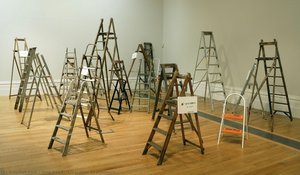
Ono's artistic output is remarkably diverse, spanning conceptual art, performance art, music, filmmaking, and tireless peace activism. Her “instructional pieces,” most notably compiled in *Grapefruit* (1964), are perhaps her most iconic contribution to conceptual art. These poetic prompts—ranging from the whimsical (“Imagine a raindrop”) to the profound (“Think of something you want to change”)—invite audiences to actively engage their imaginations and complete the artwork within their own minds. Installations like “Liverpool Skyladders” demonstrate her commitment to public art, creating monumental structures that interact with urban spaces and invite contemplation. The "Wish Tree" series, where visitors write wishes on tags and tie them to branches, embodies themes of hope, collective intention, and a yearning for peace—a recurring motif throughout her career. This desire for global harmony became increasingly prominent following her relationship with John Lennon, beginning in 1966. Their marriage in 1969 was met with intense media scrutiny, but it also provided a powerful platform for their shared activism. Together, they staged iconic protests against the Vietnam War, including the famous “Bed-Ins for Peace,” and formed the Plastic Ono Band, releasing critically acclaimed albums like *Wedding Album* and *Double Fantasy*, which earned them a Grammy Award in 1980.A Lasting Legacy of Innovation and Advocacy
Following the tragic death of John Lennon in 1980, Yoko Ono dedicated herself to preserving his legacy through initiatives like Strawberry Fields in Central Park and the Imagine Peace Tower in Iceland—a beacon of hope erected as a tribute to peace. She continues to create art and advocate for causes close to her heart: peace, environmental sustainability, and human rights. Her pioneering work has profoundly influenced generations of artists across various disciplines, challenging conventional norms and expanding the possibilities of artistic expression. Ono’s emphasis on conceptualism, audience participation, and social engagement remains remarkably relevant in contemporary art practice. She is recognized not only as a groundbreaking artist but also as a courageous activist who used her platform to promote positive change, leaving an indelible mark on both the art world and the global landscape. Her work reminds us that art can be more than just something to look at; it can be a catalyst for dialogue, healing, and transformation. Yoko Ono’s influence continues to resonate today, inspiring artists and activists alike to envision a more peaceful and equitable world.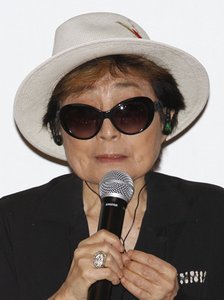
ono yōko
1933 - , Japan
Quick Facts
- Artistic Movement Or Style: Conceptual art, Fluxus
- Artists Or Movements Influenced By This Artist:
- Performance art
- Avant-garde music
- Artists Who Influenced This Artist:
- John Cage
- La Monte Young
- Date Of Birth: 1933
- Full Name: Yoko Ono
- Nationality: Japanese
- Notable Artworks:
- Grapefruit
- Liverpool Skyladders
- Wish Tree
- Hichiko Happo
- Place Of Birth: Tokyo, Japan

