 Preview
 Send
Send Share
Share
 Details

 Download
 Similars
 X-Ray
X-Ray Diaporama
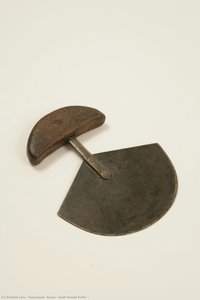
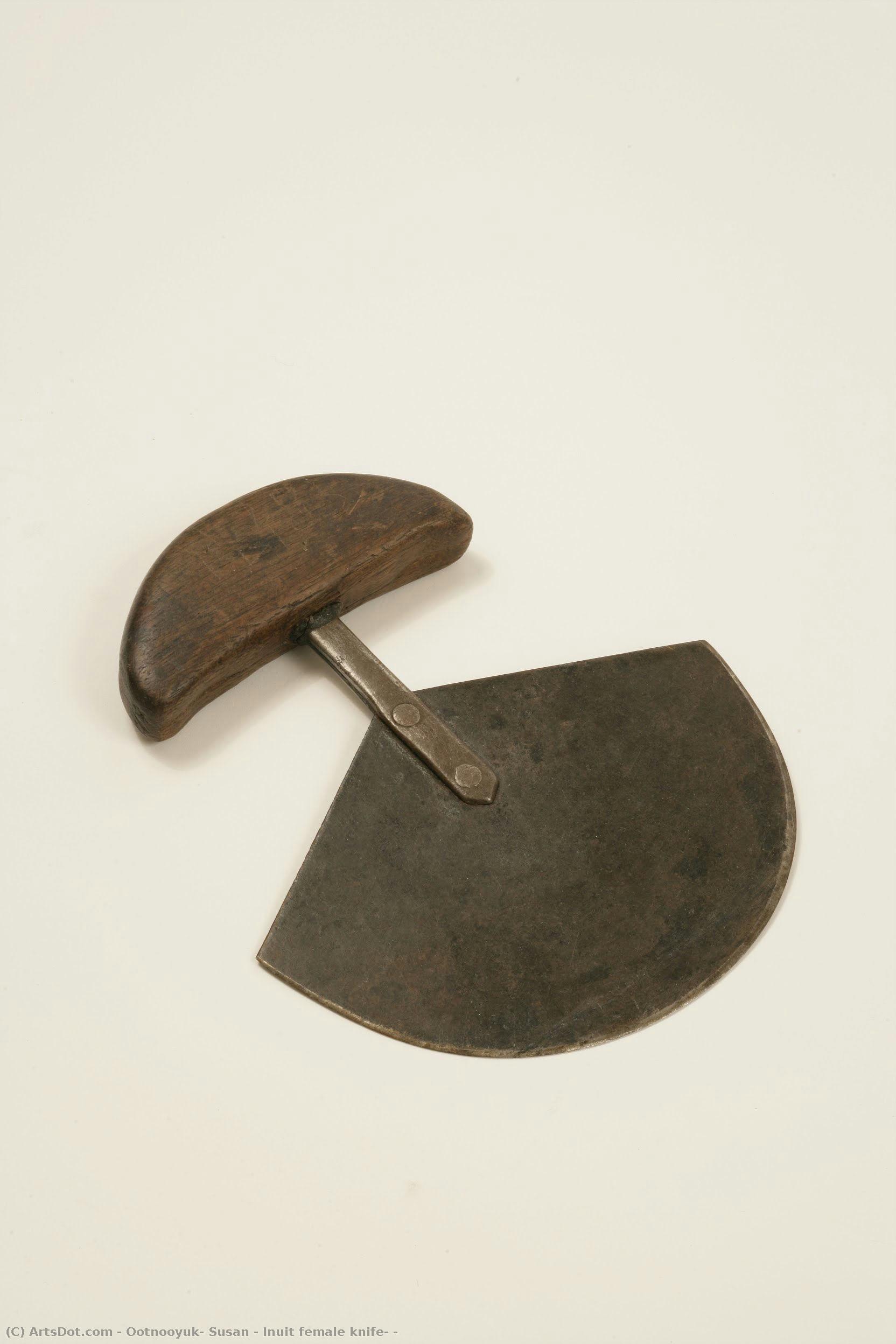
Inuit female knife,

 Read More
Hand Made Oil Reproduction
Hand-painted oil on canvas in your size and frame, made to order by our artists. ( Buy Print Buy Image)




































Pick from our preset sizes that match the artwork's original proportions.

You may enter your own dimensions to fit a specific frame or space. If your selected size does not match the original image's proportions, we will either crop the artwork or extend the painting with additional hand-painted elements. A digital mockup will be sent for your approval before production begins.
Please note that the on-screen preview does not reflect the actual cropping or extension. Only the mockup will accurately show the final composition.
While custom sizes are available, we recommend selecting a dimension from the predefined list to preserve the original proportions.
After order, ArtsDot.com team will email client for instructions and provide a mockup preview
Worldwide Delivery () in 3/4 weeks instead of standard 5 weeks. (22 August). No compromise on quality.

Free Worldwide Express Shipping

High-Quality Linen Canvas

Full Shipping Insurance

Customs Tax Refund Guarantee

True Color Matching Guarantee

60-Day Return Policy (Defects Only)

100% Money-Back Guarantee

Bulk Discount Offer
 Glass option is only available in size under 110 CM

Inuit female knife,
Reproduction Medium
Reproduction Size
-


Total Price
$ 263
Related Artworks









Artist Biography
Susan Ootnooyuk: A Pioneer of Stone Bead Art from Arviat
Born in 1918 in Arviat, Nunavut – a community nestled on the shores of Hudson Bay – Susan Ootnooyuk (also known as Ootnooyuk Ootnooyuk or Paungalik Ootnooyuk) emerged as a pivotal figure in Inuit art during a period of profound transformation. Her life and artistic practice are inextricably linked to the rhythms of her homeland, its harsh beauty, and the enduring traditions of the Ihalmiut people. Ootnooyuk’s story is one of quiet innovation, a subtle yet significant shift in the visual language of Inuit sculpture that continues to resonate today.
Early life in Arviat was shaped by the realities of Arctic existence – a constant negotiation with the elements and the cyclical nature of hunting and gathering. The community’s history is rooted in resilience, having weathered periods of hardship and relying heavily on caribou migrations. This environment undoubtedly influenced Ootnooyuk's artistic sensibility, fostering an appreciation for simplicity, functionality, and the profound connection between humans and their surroundings. While details about her early life are scarce, it’s understood that she learned traditional carving techniques from her elders, absorbing the fundamental principles of Inuit sculpture – a style characterized by its minimalist forms, often depicting animals, human figures, and symbolic representations.
The Rise of Stone Bead Adornment
Ootnooyuk's artistic breakthrough occurred in the late 1960s. During this era, Inuit communities across the Arctic began to engage with the influx of European trade goods – primarily glass beads. These vibrant, multicolored beads offered a new medium for artistic expression, and Ootnooyuk was among the first to master the technique of adorning stone figures with them. This wasn’t simply decoration; it was a deliberate reimagining of traditional carving. Rather than relying solely on the inherent form of the stone, she strategically placed the beads to create intricate patterns, shimmering mosaics that transformed the austere surfaces into captivating displays of color and texture.
This innovation distinguished her work from the prevailing minimalist style of Arviat sculpture, which typically featured starkly reduced forms. Ootnooyuk’s beadwork introduced a dynamic element – a burst of visual energy that contrasted sharply with the restrained aesthetic of earlier carvings. The technique itself demanded considerable skill and patience; each bead had to be precisely positioned to achieve the desired effect. It's believed she learned this method through observation and experimentation, adapting it to her own artistic vision.
Exhibition Recognition and Lasting Legacy
Ootnooyuk’s pioneering work gradually gained recognition within Inuit art circles. Her sculptures began appearing in galleries and museums across Canada and internationally, including the Art Gallery of Ontario, the Canadian Eskimo Arts Council, and even the Red Digital de Colecciones de Museos de España. Notable exhibitions such as “Grasp Tight the Old Ways,” featuring works from the Klamer Family Collection, brought her art to a wider audience. The inclusion of her pieces in collections like those at Katilvik and the Winnipeg Art Gallery further cemented her place within the canon of Inuit artists.
Despite her growing recognition, Ootnooyuk remained largely rooted in Arviat. She continued to create sculptures throughout her life, producing a body of work that is both deeply personal and profoundly significant. Her art reflects not only her individual artistic talent but also the spirit of her community – its resilience, its connection to the land, and its enduring traditions. Susan Ootnooyuk passed away in 1977, leaving behind a legacy as one of the most innovative and influential figures in Inuit sculpture. Her work continues to be celebrated for its unique aesthetic qualities and its contribution to the evolution of Inuit art.
Key Characteristics of Her Work
- Material:** Primarily grey stone sourced from the Kaminak Lake quarry near Arviat, known for its hardness and resistance to polishing.
- Technique:* Strategic placement of small, multicoloured glass trade beads to create intricate patterns and shimmering mosaics on stone figures.
- Style:** A departure from the prevailing minimalist style of Arviat sculpture, characterized by a dynamic interplay of form and color.
- Subject Matter:* Often depicts animals (particularly caribou), human figures, and symbolic representations reflecting Inuit mythology and daily life.
Historical Context & Significance
Ootnooyuk’s work emerged during a crucial period of change for Inuit communities. The introduction of European trade goods dramatically altered the traditional economy and social structures. While some viewed this influx as a threat to their way of life, others embraced it as an opportunity for artistic expression. Ootnooyuk's adoption of glass beads represents a creative response to these changes – a way to preserve cultural traditions while simultaneously engaging with the modern world. Her art serves as a testament to the adaptability and resilience of Inuit culture in the face of profound transformation. Her work is now recognized not just for its aesthetic beauty but also for its historical significance, offering valuable insights into the evolving relationship between Inuit communities and the wider world.
ootnooyuk, susan
1918 - 1977 , Canada
Quick Facts
- Artistic Movement Or Style: Stone beadwork
- Date Of Birth: 1918, Arviat, Canada
- Date Of Death: 1977
- Full Name: Susan Ootnooyuk
- Nationality: Canadian Inuit
- Notable Artworks: ['Inuit female knife']
- Place Of Birth: Arviat, Canada