

 Preview
 Send
Send Share
Share
 Details

 Download
 Similars
 X-Ray
X-Ray Diaporama
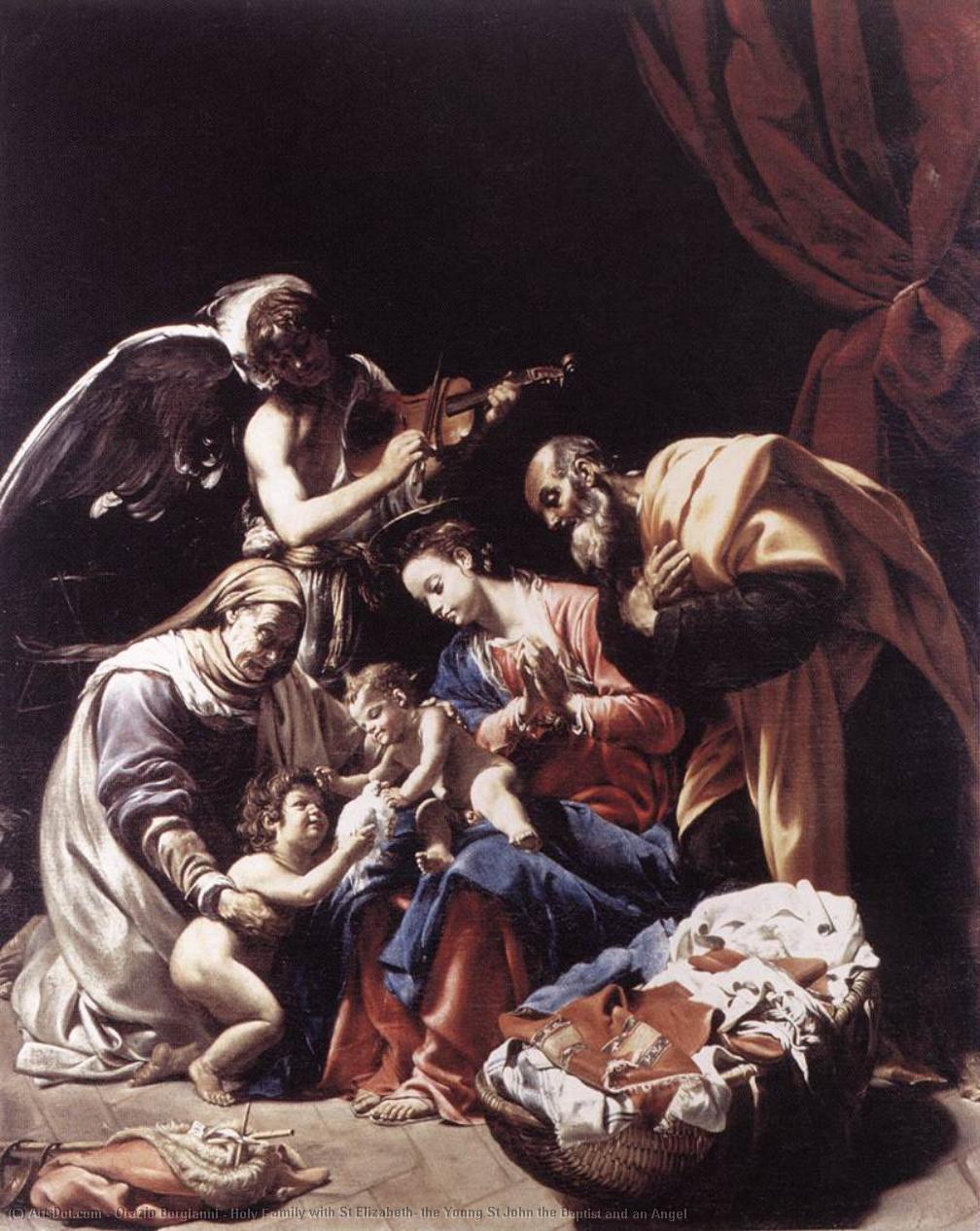
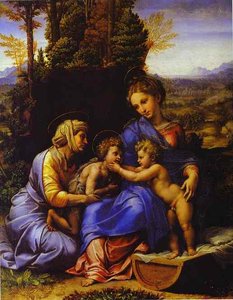
Holy Family with St Elizabeth, the Young St John the Baptist and an Angel


 Read More
Purchase a high-resolution, enhanced digital image, far superior to the online preview.
Each file is meticulously prepared by our in-house specialists using advanced tools and expert manual retouching. We ensure every image has exceptional clarity, precise color accuracy, and fine detail.
The final file is delivered via email within 72 hours, optimized for immediate use in professional, editorial, and print environments. This is the same quality trusted by top-tier design studios, publishers, and galleries.
Digital Image
Download a high-resolution file for personal display, printing, and creative projects. ( Buy Print Buy Hand Made Painting)
Included in Every Digital Image Order
Expert Digital Delivery, Guaranteed
When you choose ArtsDot.com, you're not just getting an image - you're receiving a professionally enhanced digital artwork, crafted with precision and backed by a satisfaction guarantee. Here's everything that comes with your order, automatically:

Fast Email Delivery
Your high-resolution digital image file will be emailed to you within 72 hours of ordering - ready for immediate use.

AI-Enhanced Digital File
Your artwork is professionally optimized using advanced AI tools and manual editing, ensuring maximum detail, clarity, and color accuracy.

Free Lifetime Re-Delivery
Accidentally deleted or lost your file? No worries - we'll resend it to you anytime, free of charge.

No Import Fees - Ever
Enjoy your artwork instantly with zero customs, duties, or delivery fees - digital downloads are always tax-free.

Color Accuracy Guarantee
We ensure your digital image reflects the original colors as closely as possible using professional tools and color management.

60-Day Satisfaction Guarantee
If you're not satisfied with your digital image, we'll revise it or refund 100% within 60 days - no questions asked.

100% Money-Back Guarantee
Not satisfied? Get a full refund within 60 days of receiving your digital file - no questions asked.

Bulk Order Discounts
Buy 3 images, save 10% - Buy 5, save 15% - Buy 10+, save 20%. Great for creative projects, galleries, and agencies.
Holy Family with St Elizabeth, the Young St John the Baptist and an Angel
This captivating painting by Orazio Borgianni, completed around 1609, offers a glimpse into the artistic fervor of Florence during the High Renaissance—a period defined by humanist ideals and a renewed interest in classical art. More than just a depiction of biblical figures, it’s a masterful exploration of light, composition, and emotional resonance that continues to captivate viewers centuries later.A Synthesis of Artistic Influences
Borgianni's work draws heavily from the stylistic innovations championed by Raphael, particularly his portrayal of the Holy Family with Saint Elizabeth—a scene that served as a pivotal prototype for countless artists seeking to convey serenity and spiritual contemplation. The artist skillfully employs pyramidal composition, mirroring established conventions of the time, creating a harmonious balance between figures and space. This deliberate structuring underscores the painting’s overarching aim: to elevate the sacred narrative into an embodiment of idealized beauty.Technical Brilliance: Light and Shadow as Narrative Devices
The painting's remarkable visual impact stems from Borgianni’s masterful manipulation of chiaroscuro—the dramatic interplay between light and shadow—a technique perfected by Caravaggio and embraced wholeheartedly by Borgianni himself. The dominant light source, positioned behind the angel, casts a warm glow upon the central figures, illuminating their faces and drapery with an ethereal luminescence. This careful gradation of tonal values not only enhances realism but also serves as a powerful tool for conveying emotion; the shadows deepen the sense of intimacy and solemnity surrounding the Holy Family. Notably, Borgianni’s meticulous attention to detail—evident in the rendering of the basket of linens at the lower right—demonstrates his unwavering commitment to naturalistic observation.Symbolism Embedded Within Composition
Beyond its formal beauty, *Holy Family with St Elizabeth* is laden with symbolic significance. The dove, perched above Jesus's head, represents the Holy Spirit—a divine presence guiding and protecting the infant Christ during his baptism. Saint John the Baptist’s gestures—pointing towards Jesus—emphasize the importance of faith and humility in accepting God’s grace. The artist’s deliberate positioning of these elements contributes to a profound meditation on themes of divinity, compassion, and spiritual enlightenment.Historical Context: Florence at the Dawn of Baroque
Painted during a transitional moment between Renaissance and Baroque aesthetics, Borgianni's masterpiece foreshadows the stylistic developments that would soon dominate European art. While retaining Raphael’s humanist sensibilities—characterized by gracefulness and idealized beauty—the painting nevertheless anticipates the Baroque penchant for dramatic emotion and theatrical grandeur. Its placement in the Roman convent of San Silvestro marks a significant chapter in Florentine artistic history, reflecting the patronage of the Medici court and its dedication to fostering cultural excellence.A Legacy of Artistic Inspiration
The enduring appeal of *Holy Family with St Elizabeth* lies not only in its technical virtuosity but also in its ability to evoke profound contemplation. It stands as a testament to Borgianni’s artistic genius—a beacon of Renaissance idealism that continues to inspire artists and collectors alike. Its meticulous detail, luminous palette, and masterful composition solidify its place among the finest achievements of Florentine art—a timeless masterpiece destined to resonate with audiences for generations to come.Related Artworks



Artist Biography
Giorgio Vasari: The Architect of Artistic Biography
Giorgio Vasari, born in Arezzo in 1511 and tragically passing away in Florence in 1574, wasn’t merely a painter or architect; he was the pivotal figure who essentially invented the modern art historical biography. Often considered the “minister of culture” to the powerful Medici court in Florence, Vasari’s magnum opus, *The Lives of the Most Excellent Painters, Sculptors, and Architects*, remains a cornerstone of Western artistic understanding, shaping how we perceive and interpret the careers of countless artists from the Renaissance onwards. His work wasn't simply a chronicle; it was a deliberate construction of an idealized narrative, elevating Florence as the undisputed center of artistic innovation – a perspective that, while now recognized for its inherent biases, fundamentally altered the trajectory of art historical scholarship.
Vasari’s early life provided a surprisingly robust foundation for his later endeavors. Initially apprenticed to Guillaume de Marcillat, a stained-glass artist and painter in Arezzo, he received a grounding in both technical skill and humanist learning, including Latin. This early exposure to classical thought would prove crucial in shaping his approach to art history. He then moved to Florence, where he honed his skills under the tutelage of Andrea del Sarto and Baccio Bandinelli, absorbing the prevailing artistic trends of the time. Crucially, Vasari’s education extended beyond the purely visual; he was a keen observer of human nature and possessed an astute understanding of patronage and social dynamics – qualities that would later inform his biographical writing.
A Renaissance Man: Painter, Architect, and Art Historian
Vasari's career spanned diverse artistic disciplines. He excelled as both a painter and architect, contributing significantly to the aesthetic landscape of Florence during the High Renaissance. His architectural designs are particularly noteworthy, including the grand loggia of the Palazzo degli Uffizi, a masterpiece that still dominates the Florentine skyline. However, it’s his role as an art historian – specifically, the author of *The Lives* – that secures his enduring legacy. This monumental work wasn't simply a collection of artist portraits; it was a carefully constructed argument for the importance of artistic innovation and the elevation of Florence as the birthplace of Western art.
The structure of *The Lives* is itself remarkable. Vasari organized his subjects chronologically, grouping them into categories – painters, sculptors, and architects – and presenting each artist’s life alongside a detailed analysis of their works. He meticulously documented not only the artistic achievements but also the personal circumstances, struggles, and even supposed moral failings of each subject. This biographical approach, unprecedented in its scope and ambition, established a new standard for art historical writing. It's important to acknowledge that Vasari’s account is often riddled with inaccuracies and embellishments; he frequently invented details or exaggerated events to bolster his narrative. However, despite these flaws, *The Lives* remains an invaluable source of information about the Renaissance artistic world.
Influences and Artistic Style
Vasari's artistic style reflects the prevailing trends of the Mannerist period, a transitional phase between the High Renaissance and the Baroque. His paintings are characterized by a refined elegance, meticulous detail, and a sophisticated use of color and composition. While he embraced the stylistic innovations of his time – such as complex spatial arrangements and dramatic lighting – he also retained a strong sense of classical proportion and harmony. His architectural work similarly demonstrates a mastery of Renaissance principles, blending functionality with aesthetic beauty.
Vasari was profoundly influenced by several key figures. Leonardo da Vinci, for instance, held a particularly revered position in his writings, serving as a model for artistic excellence and intellectual curiosity. Michelangelo, despite Vasari’s later reservations about the sculptor's temper, also received considerable attention. Furthermore, Vasari drew inspiration from classical texts and humanist ideals, seeking to understand art within a broader cultural context. He was deeply influenced by the concept of *rinascita* (rebirth), popularized by Jules Michelet, which emphasized the revival of classical learning and artistic values during the Renaissance.
Legacy and Historical Significance
Giorgio Vasari’s impact on art history is immeasurable. His *Lives* established a precedent for biographical writing that continues to shape our understanding of artists today. He not only documented the lives of the great masters but also shaped their reputations, often elevating them to legendary status. His emphasis on Florence as the center of artistic innovation helped to solidify the city’s position as a cultural powerhouse – a narrative that has been both celebrated and critiqued over time.
Despite criticisms regarding factual inaccuracies and his inherent bias in favor of Florentine artists, Vasari remains a foundational figure in Western art history. His work provides invaluable insights into the Renaissance artistic world and continues to be studied and debated by scholars today. His legacy extends beyond the realm of art history; he is also considered one of the first cultural critics, offering a unique perspective on the relationship between art, society, and power.
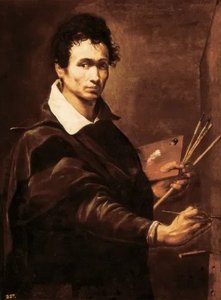
orazio borgianni
1574 - 1616 , Italy
Quick Facts
- Artistic Movement Or Style: Mannerism, Renaissance
- Artists Or Movements Influenced By This Artist:
- Renaissance artists
- Vasari's concept
- Artists Who Influenced This Artist:
- Guglielmo da Marsiglia
- Andrea del Sarto
- Date Of Birth: July 30, 1511
- Date Of Death: June 27, 1574
- Full Name: Giorgio Vasari
- Nationality: Italian
- Notable Artworks:
- Lives of the Most Eminent Painters...
- Tomb of Michelangelo
- Place Of Birth: Arezzo, Tuscany

