 Preview
 Send
Send Share
Share
 Details

 Download
 Similars
 X-Ray
X-Ray Diaporama
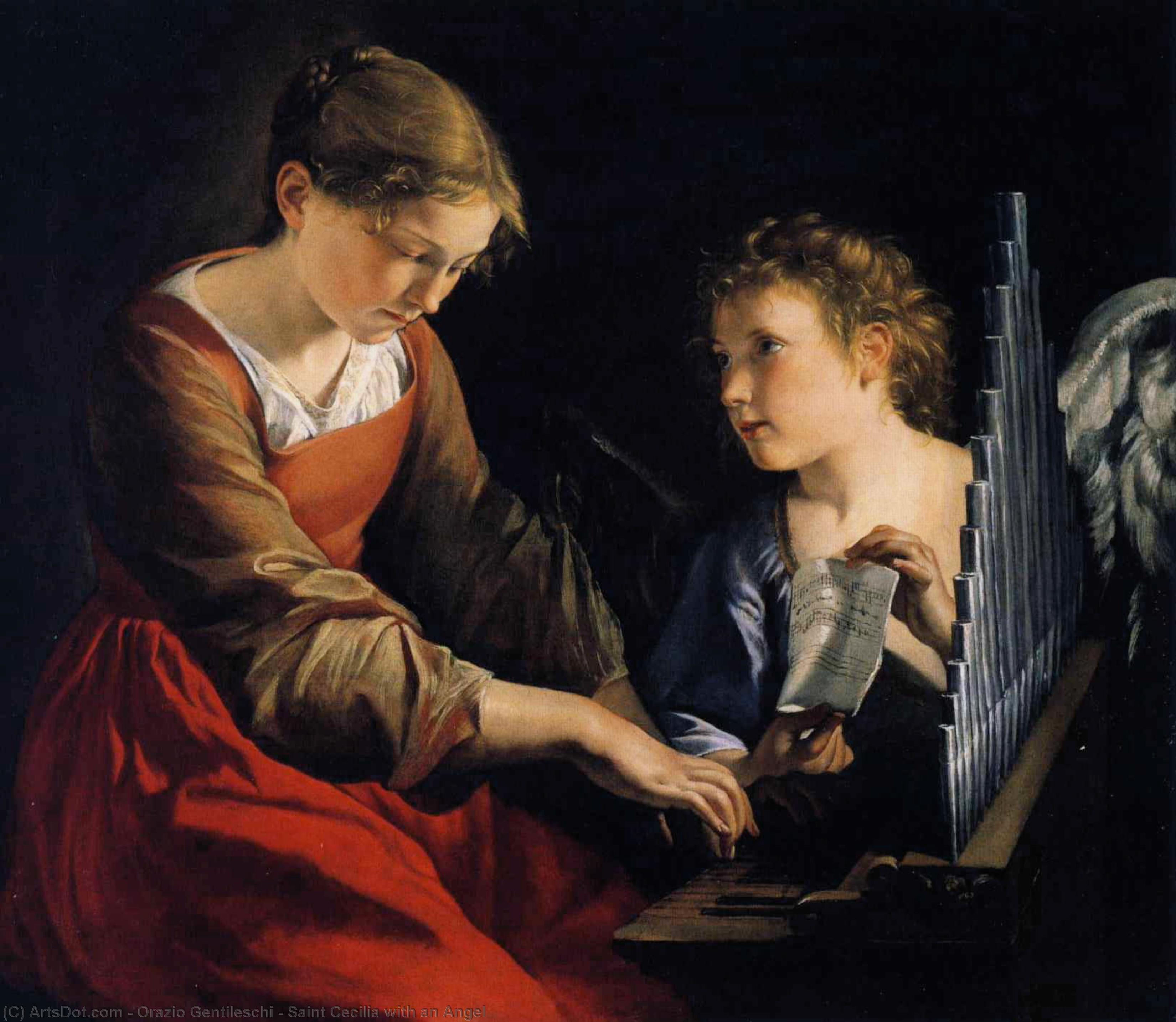
Saint Cecilia with an Angel


 Read More
Hand Made Oil Reproduction
Hand-painted oil on canvas in your size and frame, made to order by our artists. ( Buy Print Buy Image)




































Pick from our preset sizes that match the artwork's original proportions.

You may enter your own dimensions to fit a specific frame or space. If your selected size does not match the original image's proportions, we will either crop the artwork or extend the painting with additional hand-painted elements. A digital mockup will be sent for your approval before production begins.
Please note that the on-screen preview does not reflect the actual cropping or extension. Only the mockup will accurately show the final composition.
While custom sizes are available, we recommend selecting a dimension from the predefined list to preserve the original proportions.
After order, ArtsDot.com team will email client for instructions and provide a mockup preview
Worldwide Delivery () in 3/4 weeks instead of standard 5 weeks. (16 August). No compromise on quality.

Free Worldwide Express Shipping

High-Quality Linen Canvas

Full Shipping Insurance

Customs Tax Refund Guarantee

True Color Matching Guarantee

60-Day Return Policy (Defects Only)

100% Money-Back Guarantee

Bulk Discount Offer
 Glass option is only available in size under 110 CM

Saint Cecilia with an Angel
Reproduction Medium
Reproduction Size
-


Total Price
$ 263
Artwork Description
Saint Cecilia with an Angel: A Baroque Masterpiece Reflecting Faith and Artistic Innovation
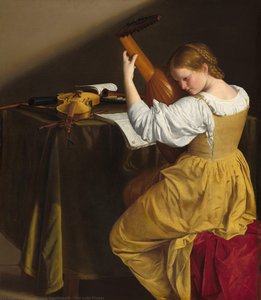
The painting “Saint Cecilia with an Angel,” attributed to Orazio Gentileschi, stands as a testament to the burgeoning Baroque aesthetic in 17th-century Italy—a period marked by dramatic contrasts of light and shadow, heightened emotional intensity, and a fervent embrace of religious fervor. Completed in 1621, this captivating oil on canvas resides within the esteemed National Gallery of Art in Washington D.C., offering visitors an unparalleled opportunity to immerse themselves in the artistic brilliance of Gentileschi and the spiritual contemplation encapsulated within his oeuvre.Composition and Technique: Caravaggio’s Legacy
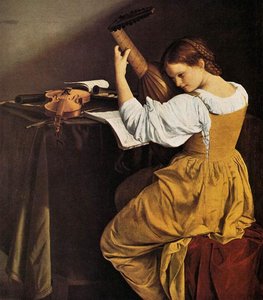
Gentileschi's stylistic approach firmly rooted itself in the Caravaggisti tradition, a movement spearheaded by Michelangelo Merisi da Caravaggio that revolutionized painting with its revolutionary use of chiaroscuro—the masterful manipulation of light and darkness to create dramatic visual effects. Like Caravaggio before him, Gentileschi eschewed idealized beauty, favoring instead realism imbued with palpable emotion. The composition itself is carefully orchestrated: two women dominate the canvas, positioned close together yet subtly separated by a delicate interplay of gestures and gaze. One woman, presumed to be Saint Cecilia herself, holds aloft a musical instrument—likely a harp or piano—her hands poised over the keys as if capturing the very essence of divine melody. Her serene expression conveys unwavering devotion, while her posture exudes grace and composure. Beside her stands another woman, observing Cecilia with an attentive gaze, suggesting contemplation and perhaps even admiration. Above them all floats an angel, positioned prominently in the upper left corner, radiating ethereal luminescence—a symbol of heavenly grace and spiritual guidance. Gentileschi’s meticulous brushwork contributes to the painting's remarkable textural richness, capturing minute details with astonishing precision while simultaneously conveying a sense of movement and dynamism.Historical Context: The Rise of Baroque Spirituality
The creation of “Saint Cecilia with an Angel” coincided with a pivotal moment in European religious history—the Counter-Reformation following the Protestant Reformation. The Catholic Church actively sought to reaffirm its authority and inspire piety through art, commissioning works that conveyed biblical narratives and celebrated saints as embodiments of Christian virtue. Gentileschi’s depiction of Saint Cecilia aligns perfectly with this artistic impulse, reflecting the Baroque preoccupation with portraying spiritual ecstasy and conveying profound emotional depth. Furthermore, it represents a rare instance of female representation in art during the period—a bold assertion of feminine dignity and intellect amidst societal constraints. The painting's placement within the National Gallery of Art underscores its significance as a cornerstone of European art history, ensuring that its beauty and artistic innovation continue to inspire generations of viewers.Symbolism: Music and Divine Inspiration
The musical instrument held by Saint Cecilia is laden with symbolic meaning—music representing divine harmony and spiritual contemplation. Angels are frequently depicted in Baroque art as messengers of God, symbolizing divine grace and illuminating the human soul. The angel’s radiant glow underscores the painting's overarching theme of spiritual enlightenment, suggesting that music possesses the power to elevate the spirit and connect us to the transcendent realm. Gentileschi skillfully employs color palettes—primarily muted hues accented by splashes of gold—to heighten the emotional impact of the scene, creating an atmosphere of solemn beauty and contemplative serenity.Emotional Impact: A Portrait of Inner Peace
“Saint Cecilia with an Angel” transcends mere visual representation; it aspires to evoke a profound emotional response in the viewer. The painting’s tranquil composition, combined with Gentileschi's masterful technique—particularly his dramatic use of chiaroscuro—creates a palpable sense of stillness and serenity. It invites contemplation on themes of faith, devotion, and artistic excellence—a timeless reminder of the enduring power of art to inspire wonder and illuminate the human spirit. Its presence within the National Gallery of Art ensures that this masterpiece continues to resonate with audiences worldwide, cementing Gentileschi’s place as one of the foremost artists of his era.Related Artworks




Artist Biography
A Tuscan Dawn: The Life and Art of Orazio Gentileschi
Born in 1563 amidst the rolling hills of Tuscany, Orazio Gentileschi embarked on a journey that would see him become a pivotal figure in the transition from Mannerism to Baroque painting. Initially known as Orazio Lomi, he gravitated towards Rome, then the epicenter of artistic innovation, where he honed his skills within the workshops of Cola dell'Amata and absorbed the architectural sensibilities of Francesco da Sangallo. These early influences instilled in him a meticulous attention to form and composition, characteristics that would remain hallmarks of his style even as it dramatically evolved. Gentileschi’s initial work often involved contributing figures to larger decorative schemes conceived by other artists – a formative experience that taught him collaboration and adaptability, yet also hinted at a burgeoning ambition for independent expression.Embracing the Shadow: Caravaggio's Influence and Artistic Development
The turn of the 17th century marked a turning point in Gentileschi’s artistic trajectory. The revolutionary naturalism of Caravaggio burst onto the Roman art scene, challenging established conventions with its dramatic use of light and shadow – *tenebrism* – and unflinching realism. Gentileschi was profoundly affected by this seismic shift, adopting elements of Caravaggio's style into his own work. However, he wasn’t merely an imitator; rather, he filtered Caravaggio’s innovations through his existing artistic sensibilities. While retaining the dramatic intensity, Gentileschi softened the harshness of Caravaggio’s *tenebrism*, introducing a lighter palette and a more refined approach to detail. This resulted in paintings that possessed both emotional power and elegant grace – a unique synthesis that distinguished him from his contemporaries. Biblical scenes and mythological narratives became frequent subjects, allowing Gentileschi to explore themes of faith, heroism, and human vulnerability with compelling visual storytelling.A Courtly Wanderer: From Paris to London
Gentileschi’s artistic reputation extended beyond Italy's borders. His talent attracted the patronage of powerful figures, leading him on a peripatetic journey through Europe. He spent time at the court of Marie de' Medici in Paris, where his refined style resonated with the Queen’s taste for elegance and sophistication. This period saw a further evolution in his work, characterized by increasingly elaborate compositions and a heightened sense of decorum. However, it was his invitation to England in 1626 that would define the final chapter of his career. Appointed court painter to Charles I, Gentileschi became one of the first major exponents of Caravaggism in Britain, significantly influencing the development of English Baroque painting. He undertook ambitious projects, including a series of ceiling paintings for Greenwich Palace (now Marlborough House), showcasing his mastery of large-scale decorative schemes and solidifying his position as a leading artist of his time.Legacy and Lasting Impact
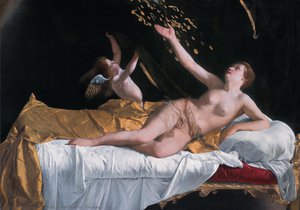
Orazio Gentileschi’s contributions to the world of art are multifaceted. He bridged the gap between Mannerism and Baroque, absorbing the innovations of Caravaggio while forging his own distinctive style. His use of vibrant colors, dramatic compositions, and refined technique influenced a generation of artists across Europe. He was instrumental in introducing Caravaggism to England, leaving an indelible mark on the artistic landscape there. But perhaps his most enduring legacy lies in his daughter, Artemisia Gentileschi. Trained in her father’s studio, she emerged as one of the most celebrated female painters of the Baroque era, carrying forward the family's artistic tradition and achieving renown in her own right. Today, Gentileschi’s works are held in prestigious museums and galleries worldwide – from the Uffizi Gallery in Florence to the Accademia Gallery in Venice – testaments to his enduring brilliance and lasting impact on the history of art. His paintings continue to captivate viewers with their emotional depth, technical virtuosity, and timeless beauty.- Major Works: “Danae”, "The Annunciation", "The Virgin Mary"
- Key Influences: Mannerism, Caravaggio
- Artistic Style: Baroque, Dramatic compositions, Bright colors.
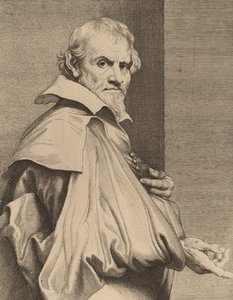
Orazio Gentileschi
1563 - 1639 , Italy
Quick Facts
- Artistic Movement Or Style: Baroque, Caravaggism
- Artists Or Movements Influenced By This Artist:
- Artemisia Gentileschi
- Baroque art
- Artists Who Influenced This Artist:
- Caravaggio
- Francesco da Sangallo
- Date Of Birth: 1563
- Date Of Death: 1639
- Full Name: Orazio Gentileschi
- Nationality: Italian
- Notable Artworks:
- Danae
- The Annunciation
- The Virgin Mary
- Place Of Birth: Tuscany, Italy
Related Articles

Celestial Messengers: Angels in Painting – A Historical & Artistic Exploration
Explore the captivating history of angels in painting! Discover symbolism, iconic Renaissance & Byzantine masterpieces, and renowned artists. Expert insights for art lovers & collectors at ArtsDot.
Celestial Messengers: A Comprehensive Exploration of Angelic Representation in Art History
Explore the captivating history of angels in art! Discover symbolism, iconic Renaissance masterpieces & renowned artists. Expert insights for art lovers & collectors at ArtsDot.

Baroque Masterpieces: 10 Paintings That Defined an Era |
Journey through the drama & grandeur of Baroque art! Explore 10 masterpieces by Caravaggio, Rembrandt, Rubens & more. Discover stunning oil paintings, rich colors & timeless stories. Find museum-quality reproductions at .

Baroque Drama: Bringing Opulence & Emotion into Contemporary Interiors
Explore the opulent world of Baroque interior design! Discover key elements, modern applications & how to bring dramatic elegance into your home with 's authentic reproductions.

The Dramatic Flourish: Exploring the Baroque Movement's Enduring Legacy in Art History
Explore the dramatic world of Baroque art! Discover iconic artists like Caravaggio & Rubens, defining techniques, and its lasting impact on art history. Expert insights for collectors & enthusiasts at ArtsDot.