

 Preview
 Send
Send Share
Share
 Details

 Download
 Similars
 X-Ray
X-Ray Diaporama
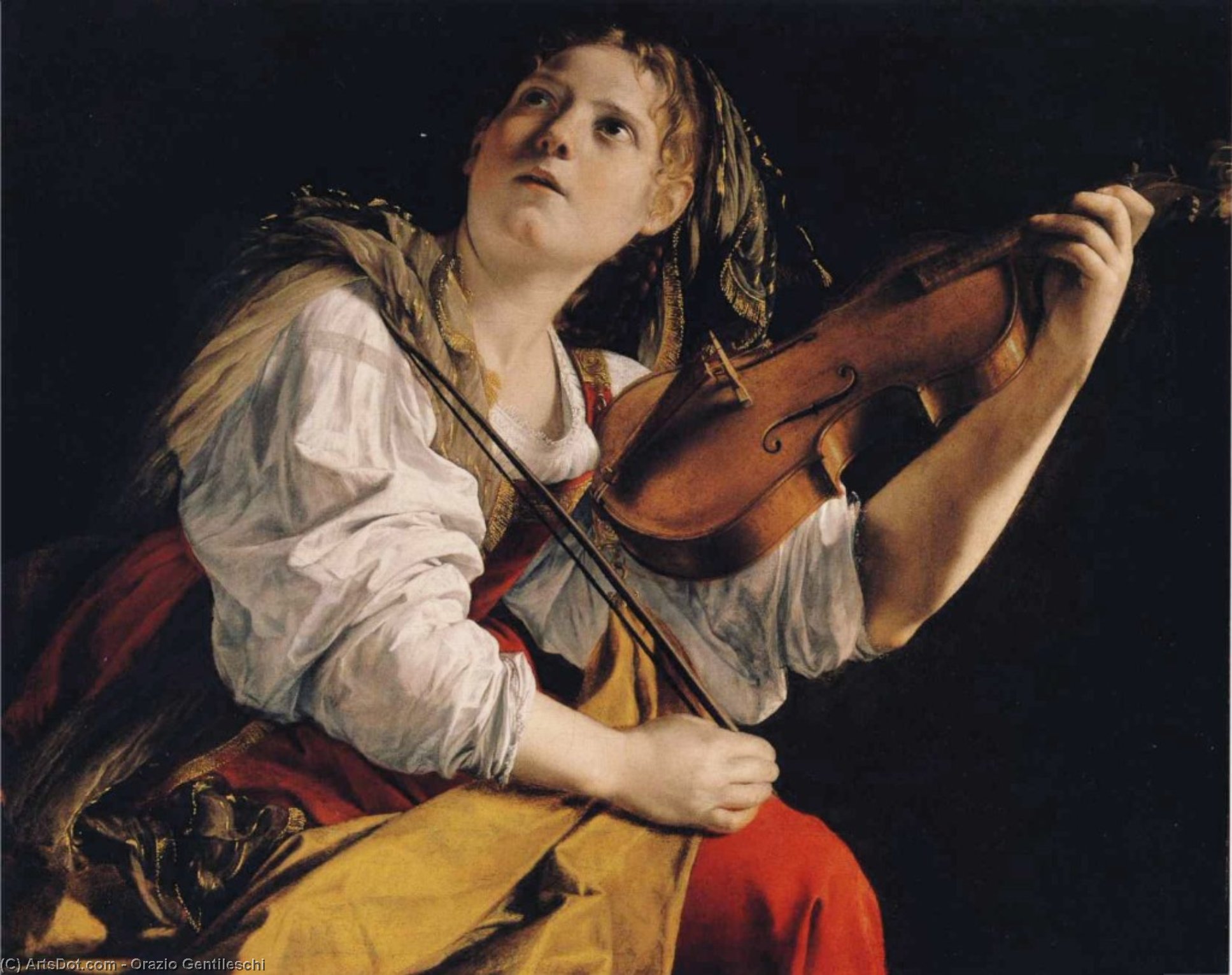
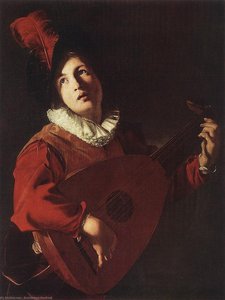
Young Woman Playing a Violin


 Read More
Purchase a high-resolution, enhanced digital image, far superior to the online preview.
Each file is meticulously prepared by our in-house specialists using advanced tools and expert manual retouching. We ensure every image has exceptional clarity, precise color accuracy, and fine detail.
The final file is delivered via email within 72 hours, optimized for immediate use in professional, editorial, and print environments. This is the same quality trusted by top-tier design studios, publishers, and galleries.
Digital Image
Download a high-resolution file for personal display, printing, and creative projects. ( Buy Print Buy Hand Made Painting)
Included in Every Digital Image Order
Expert Digital Delivery, Guaranteed
When you choose ArtsDot.com, you're not just getting an image - you're receiving a professionally enhanced digital artwork, crafted with precision and backed by a satisfaction guarantee. Here's everything that comes with your order, automatically:

Fast Email Delivery
Your high-resolution digital image file will be emailed to you within 72 hours of ordering - ready for immediate use.

AI-Enhanced Digital File
Your artwork is professionally optimized using advanced AI tools and manual editing, ensuring maximum detail, clarity, and color accuracy.

Free Lifetime Re-Delivery
Accidentally deleted or lost your file? No worries - we'll resend it to you anytime, free of charge.

No Import Fees - Ever
Enjoy your artwork instantly with zero customs, duties, or delivery fees - digital downloads are always tax-free.

Color Accuracy Guarantee
We ensure your digital image reflects the original colors as closely as possible using professional tools and color management.

60-Day Satisfaction Guarantee
If you're not satisfied with your digital image, we'll revise it or refund 100% within 60 days - no questions asked.

100% Money-Back Guarantee
Not satisfied? Get a full refund within 60 days of receiving your digital file - no questions asked.

Bulk Order Discounts
Buy 3 images, save 10% - Buy 5, save 15% - Buy 10+, save 20%. Great for creative projects, galleries, and agencies.
Collectible Description
Young Woman Playing a Violin – A Baroque Portrait of Grace and Reverence
The painting “Young Woman Playing a Violin,” attributed to Orazio Gentileschi (1563–1639), stands as a testament to the burgeoning artistic fervor of the early 17th century, specifically during the transition from Mannerism to Baroque aesthetics. Executed around 1624, this captivating portrait encapsulates the spirit of its time—a period marked by dramatic shifts in artistic sensibilities and an increasing emphasis on naturalism alongside spiritual contemplation. It’s a piece that continues to resonate with viewers today due to its masterful composition, luminous color palette, and profound exploration of human emotion. A Masterful Synthesis of Mannerist Influence and Caravaggio's Vision Gentileschi’s artistic journey began in Tuscany, where he honed his skills under the tutelage of Francesco da Sangallo, absorbing the architectural principles that would inform his later works. However, it was his encounter with Michelangelo Buonarroti—Caravaggio—that irrevocably altered his stylistic trajectory. Caravaggio's revolutionary approach to chiaroscuro – dramatic contrasts between light and dark – profoundly impacted Gentileschi’s technique, resulting in a style characterized by intense realism achieved through masterful manipulation of light and shadow. This influence is palpable in “Young Woman Playing Violin,” where Gentileschi skillfully employs Caravaggio’s techniques to sculpt the figure's form and imbue it with an aura of solemn beauty. The artist deliberately utilized Caravaggio’s dramatic lighting, highlighting the woman’s face and hands while casting deep shadows across her dress, creating a palpable sense of depth and emotion—a hallmark of Baroque art that departed significantly from the stylized forms favored by Mannerism. The Figure: A Symbol of Virtue and Musical Inspiration At the heart of the composition lies a young woman, poised gracefully before her violin. Her posture exudes composure and serenity, reflecting the ideals of Renaissance virtue—a characteristic prevalent in Baroque art. The violinist’s gaze is directed upwards, suggesting contemplation and perhaps an invocation of divine inspiration – mirroring Saint Cecilia, whose legend recounts her unwavering devotion to God and her musical talent. Gentileschi meticulously rendered the woman's facial expression with remarkable sensitivity, conveying a quiet dignity and inner peace that speaks volumes about the artist’s understanding of human psychology. The subtle shading around her eyes adds to this impression of solemn beauty, reinforcing the painting’s spiritual dimension. Historical Context: Baroque Art and Patronage in Rome “Young Woman Playing Violin” emerged during a period of immense artistic innovation in Rome—the Baroque era—fueled by papal patronage and driven by a desire to express religious fervor through visual art. The Catholic Church commissioned numerous paintings depicting saints and biblical figures, aiming to inspire piety and reaffirm its authority amidst the turbulent political landscape of the time. Gentileschi’s work exemplifies this trend, aligning with the broader artistic movement's commitment to realism and emotional intensity—a deliberate reaction against the intellectualized aesthetic of Mannerism. The painting was likely commissioned by a wealthy Roman family who wished to honor Saint Cecilia and celebrate musical excellence. Technical Considerations: Oil on Canvas and Caravaggio’s Influence Revisited Gentileschi executed “Young Woman Playing Violin” on canvas using oil paint—a technique that allowed for unprecedented levels of detail and luminosity compared to previous mediums like tempera. The artist skillfully blended pigments to achieve a rich, velvety texture and meticulously rendered the textures of fabric and skin with astonishing accuracy. Furthermore, Gentileschi’s masterful use of chiaroscuro – Caravaggio's signature style – elevates the painting beyond mere representation, transforming it into an emotionally charged experience for the viewer. The dramatic interplay of light and shadow not only enhances the visual impact but also underscores the spiritual significance of the scene—a testament to Gentileschi’s artistic genius and his unwavering dedication to capturing the essence of human emotion within a framework of Baroque aesthetics. Concluding Remarks: An Enduring Legacy of Beauty and Emotion “Young Woman Playing Violin” remains an enduring masterpiece, captivating audiences centuries after its creation with its exquisite beauty and profound emotional resonance. It stands as a symbol of artistic triumph—a demonstration of Gentileschi’s ability to synthesize Mannerist influences with Caravaggio's revolutionary techniques—resulting in a work that transcends time and continues to inspire admiration for its masterful composition and luminous color palette. Its depiction of Saint Cecilia embodies the spiritual ideals of the Baroque period, reminding us of the power of art to convey profound emotions and elevate the human spirit.Related Artworks


Artist Biography
A Tuscan Dawn: The Life and Art of Orazio Gentileschi
Born in 1563 amidst the rolling hills of Tuscany, Orazio Gentileschi embarked on a journey that would see him become a pivotal figure in the transition from Mannerism to Baroque painting. Initially known as Orazio Lomi, he gravitated towards Rome, then the epicenter of artistic innovation, where he honed his skills within the workshops of Cola dell'Amata and absorbed the architectural sensibilities of Francesco da Sangallo. These early influences instilled in him a meticulous attention to form and composition, characteristics that would remain hallmarks of his style even as it dramatically evolved. Gentileschi’s initial work often involved contributing figures to larger decorative schemes conceived by other artists – a formative experience that taught him collaboration and adaptability, yet also hinted at a burgeoning ambition for independent expression.Embracing the Shadow: Caravaggio's Influence and Artistic Development
The turn of the 17th century marked a turning point in Gentileschi’s artistic trajectory. The revolutionary naturalism of Caravaggio burst onto the Roman art scene, challenging established conventions with its dramatic use of light and shadow – *tenebrism* – and unflinching realism. Gentileschi was profoundly affected by this seismic shift, adopting elements of Caravaggio's style into his own work. However, he wasn’t merely an imitator; rather, he filtered Caravaggio’s innovations through his existing artistic sensibilities. While retaining the dramatic intensity, Gentileschi softened the harshness of Caravaggio’s *tenebrism*, introducing a lighter palette and a more refined approach to detail. This resulted in paintings that possessed both emotional power and elegant grace – a unique synthesis that distinguished him from his contemporaries. Biblical scenes and mythological narratives became frequent subjects, allowing Gentileschi to explore themes of faith, heroism, and human vulnerability with compelling visual storytelling.A Courtly Wanderer: From Paris to London
Gentileschi’s artistic reputation extended beyond Italy's borders. His talent attracted the patronage of powerful figures, leading him on a peripatetic journey through Europe. He spent time at the court of Marie de' Medici in Paris, where his refined style resonated with the Queen’s taste for elegance and sophistication. This period saw a further evolution in his work, characterized by increasingly elaborate compositions and a heightened sense of decorum. However, it was his invitation to England in 1626 that would define the final chapter of his career. Appointed court painter to Charles I, Gentileschi became one of the first major exponents of Caravaggism in Britain, significantly influencing the development of English Baroque painting. He undertook ambitious projects, including a series of ceiling paintings for Greenwich Palace (now Marlborough House), showcasing his mastery of large-scale decorative schemes and solidifying his position as a leading artist of his time.Legacy and Lasting Impact
Orazio Gentileschi’s contributions to the world of art are multifaceted. He bridged the gap between Mannerism and Baroque, absorbing the innovations of Caravaggio while forging his own distinctive style. His use of vibrant colors, dramatic compositions, and refined technique influenced a generation of artists across Europe. He was instrumental in introducing Caravaggism to England, leaving an indelible mark on the artistic landscape there. But perhaps his most enduring legacy lies in his daughter, Artemisia Gentileschi. Trained in her father’s studio, she emerged as one of the most celebrated female painters of the Baroque era, carrying forward the family's artistic tradition and achieving renown in her own right. Today, Gentileschi’s works are held in prestigious museums and galleries worldwide – from the Uffizi Gallery in Florence to the Accademia Gallery in Venice – testaments to his enduring brilliance and lasting impact on the history of art. His paintings continue to captivate viewers with their emotional depth, technical virtuosity, and timeless beauty.- Major Works: “Danae”, "The Annunciation", "The Virgin Mary"
- Key Influences: Mannerism, Caravaggio
- Artistic Style: Baroque, Dramatic compositions, Bright colors.
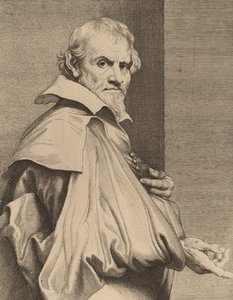
Orazio Gentileschi
1563 - 1639 , Italy
Quick Facts
- Artistic Movement Or Style: Baroque, Caravaggism
- Artists Or Movements Influenced By This Artist:
- Artemisia Gentileschi
- Baroque art
- Artists Who Influenced This Artist:
- Caravaggio
- Francesco da Sangallo
- Date Of Birth: 1563
- Date Of Death: 1639
- Full Name: Orazio Gentileschi
- Nationality: Italian
- Notable Artworks:
- Danae
- The Annunciation
- The Virgin Mary
- Place Of Birth: Tuscany, Italy

