 Preview
 Send
Send Share
Share
 Details

 Download
 Similars
 X-Ray
X-Ray Diaporama
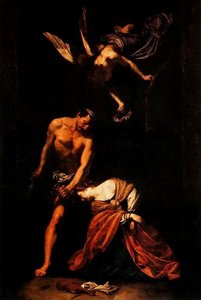
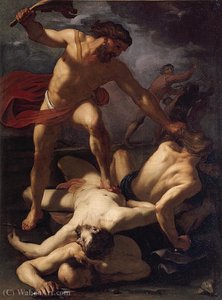
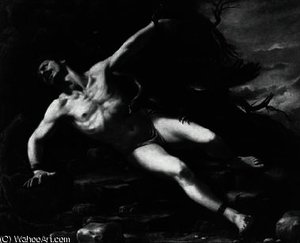
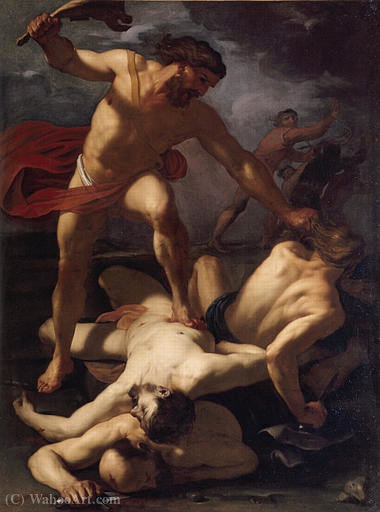
Samson slaughters the Philistines
 Read More
Hand Made Oil Reproduction
Hand-painted oil on canvas in your size and frame, made to order by our artists. ( Buy Print Buy Image)




































Pick from our preset sizes that match the artwork's original proportions.

You may enter your own dimensions to fit a specific frame or space. If your selected size does not match the original image's proportions, we will either crop the artwork or extend the painting with additional hand-painted elements. A digital mockup will be sent for your approval before production begins.
Please note that the on-screen preview does not reflect the actual cropping or extension. Only the mockup will accurately show the final composition.
While custom sizes are available, we recommend selecting a dimension from the predefined list to preserve the original proportions.
After order, ArtsDot.com team will email client for instructions and provide a mockup preview
Worldwide Delivery () in 3/4 weeks instead of standard 5 weeks. (17 August). No compromise on quality.

Free Worldwide Express Shipping

High-Quality Linen Canvas

Full Shipping Insurance

Customs Tax Refund Guarantee

True Color Matching Guarantee

60-Day Return Policy (Defects Only)

100% Money-Back Guarantee

Bulk Discount Offer
 Glass option is only available in size under 110 CM

Samson slaughters the Philistines
Reproduction Medium
Reproduction Size
-


Total Price
$ 263
Related Artworks
Artist Biography
Giuseppe Arcimboldo: The Master of Impossibility
Giuseppe Arcimboldo (1527-1593) wasn’t merely a painter; he was an illusionist, a master of visual trickery who redefined portraiture in the late Renaissance. Born in Milan, into a family steeped in artistic tradition – his father, Biagio Gentileschi, worked for the offices of the Duomo – Arcimboldo inherited a legacy that he ultimately transcended with his singular vision. His art wasn’t about capturing likenesses; it was about constructing narratives, breathing life into inanimate objects, and challenging the very notion of representation. He didn't simply paint people; he painted ideas, emotions, and fleeting moments captured within elaborate, meticulously assembled still lifes that functioned as portraits.
Arcimboldo’s early career involved a surprising shift from fresco painting to stained glass design for the Milan Cathedral. This experience honed his skills in composition and color, but it was his appointment as court painter to Emperor Rudolf II of Prague around 1563 that truly launched him into artistic prominence. The Habsburg court became his primary patron, providing him with a stable income and access to a wider audience. It’s during this period that he developed the distinctive style for which he is now celebrated – portraits constructed entirely from fruits, vegetables, flowers, books, and other found objects. These weren't haphazard arrangements; each element was carefully chosen and positioned to contribute to the overall image, creating a complex interplay of form, color, and texture.
The Language of Assemblage
Arcimboldo’s technique wasn’t simply collage; it demanded an extraordinary level of skill and patience. He began with a preliminary sketch, often on paper or wood, outlining the basic composition. Then, he would meticulously select his materials – each fruit, vegetable, flower, or book was chosen for its color, shape, and texture. He then painstakingly arranged these elements onto the surface, using glue or wax to secure them in place. The process could take weeks, even months, depending on the complexity of the portrait.
The symbolism within his works is rich and layered. A basket overflowing with seasonal produce might represent a noble family’s wealth and status, while a collection of books could signify intelligence and erudition. Arcimboldo frequently incorporated elements related to the seasons – winter portraits featuring frozen fruits and vegetables, summer portraits brimming with lush flowers and foliage. This cyclical nature reflects the passage of time and the ephemeral beauty of the natural world.
Influences and Artistic Context
While Arcimboldo’s style is undeniably unique, it was shaped by a confluence of artistic influences. The Mannerist tradition, with its emphasis on exaggeration and artificiality, played a significant role in his development. He also drew inspiration from the still-life paintings of the Old Masters, particularly those of Pieter Bruegel the Elder, who depicted scenes of peasant life filled with abundant natural objects. Furthermore, Arcimboldo’s work reflects the intellectual climate of the late Renaissance, a period marked by a renewed interest in classical mythology and allegory.
The Habsburg court itself was a hub of artistic innovation and patronage. Rudolf II was a renowned collector of art, science, and curiosities, fostering an environment where experimentation and creativity flourished. Arcimboldo’s portraits served not only as representations of his subjects but also as elaborate stage sets, designed to impress visitors and demonstrate the emperor's wealth and power.
Legacy and Lasting Impact
Giuseppe Arcimboldo died in 1593, leaving behind a remarkable body of work that continues to fascinate and inspire. His innovative approach to portraiture challenged conventional artistic norms and paved the way for future generations of artists who sought to push the boundaries of representation. His use of found objects as artistic materials anticipated the practices of Dadaist and Pop Art artists centuries later.
Arcimboldo’s influence can be seen in the work of numerous contemporary artists, from Salvador Dalí to Andy Warhol. His legacy extends beyond the realm of painting; his images have been reproduced countless times in posters, postcards, and other forms of popular culture, cementing his status as one of the most recognizable and beloved figures in art history. He remains a testament to the power of imagination, demonstrating that beauty can be found in the most unexpected places – and that a portrait doesn’t always need a face to reveal its subject.
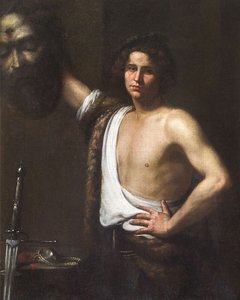
orazio riminaldi
1593 - 1630 , Italy
Quick Facts
- Artistic Movement Or Style: Baroque Portraiture
- Artists Or Movements Influenced By This Artist: ['Italian Renaissance']
- Artists Who Influenced This Artist: ['Caravaggio']
- Date Of Birth: 1527-04-05
- Date Of Death: 1593-07-11
- Full Name: Giuseppe Arcimboldo
- Nationality: Italian
- Notable Artworks:
- Vertumnus
- Janus
- Prince Galigazzi
- Place Of Birth: Milan, Italy