 Preview
 Send
Send Share
Share
 Details

 Download
 Similars
 X-Ray
X-Ray Diaporama
Storehouses

 Read More
Giclée / Art Print
Museum-quality giclée or canvas print with fast production and flexible finish options. ( Buy Hand Made Painting Buy Image)




































Pick from our preset sizes that match the artwork's original proportions.

You may enter your own dimensions to fit a specific frame or space. If your selected size does not match the original image's proportions, we will either crop the artwork or extend the image with a mirrored or solid-fill edge. A digital mockup will be sent for your approval before production begins.
Please note that the on-screen preview does not reflect the actual cropping or extension. Only the mockup will accurately show the final composition.
While custom sizes are available, we recommend selecting a dimension from the predefined list to preserve the original proportions.
Worldwide Delivery () in 2 weeks instead of standard 4/5 weeks. (17 August)

Free Worldwide Express Shipping

High-Quality Linen Canvas

Full Shipping Insurance

Customs Tax Refund Guarantee

True Color Matching Guarantee

60-Day Return Policy (Defects Only)

100% Money-Back Guarantee

Bulk Discount Offer
 Glass option is only available in size under 110 CM

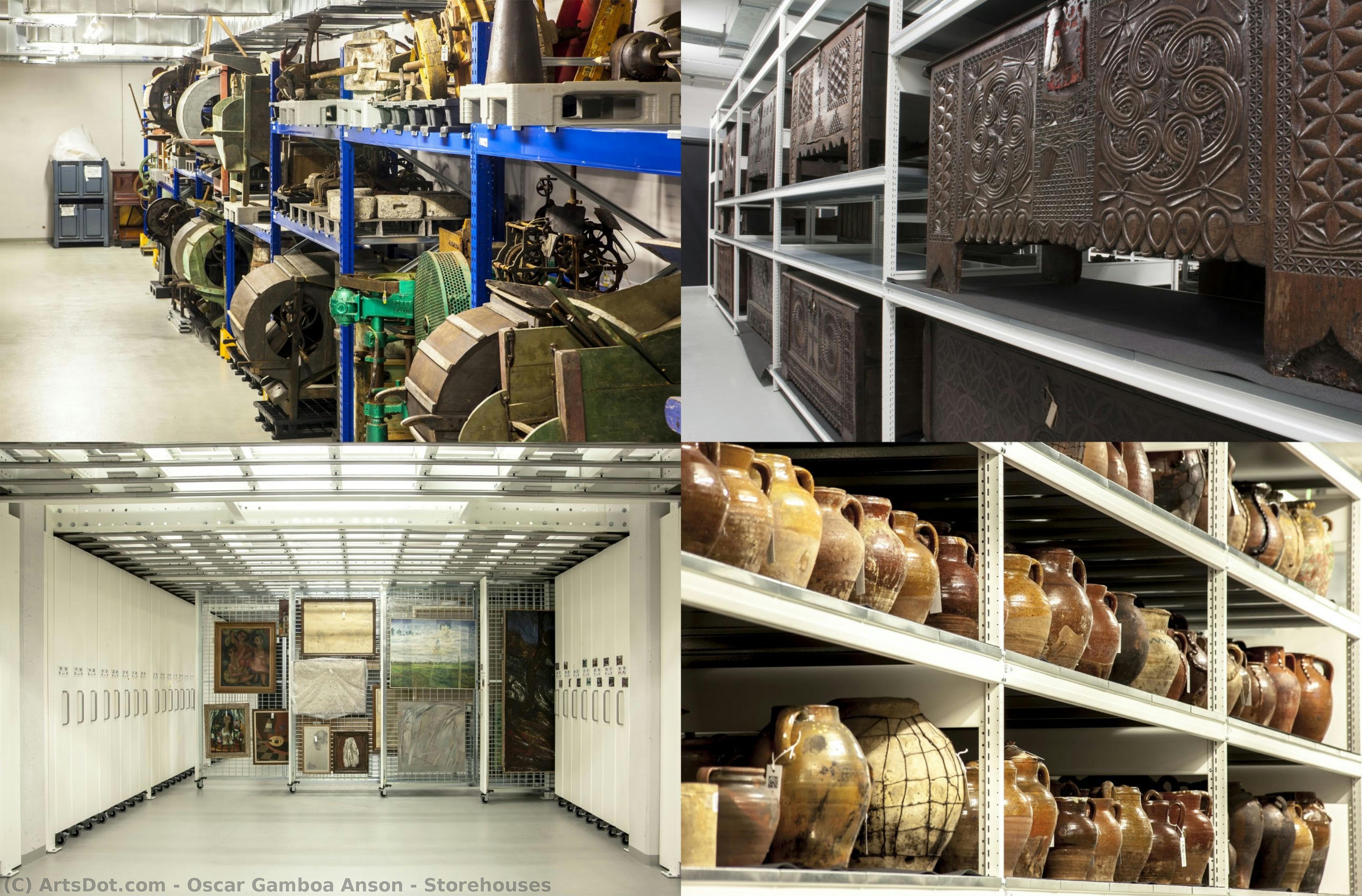
Storehouses
Giclée / Art Print
Reproduction Size
-


Total Price
$ 63
Related Artworks
Artist Biography
A Cinematic Persona: The Life and Legacy of Oscar Gamboa Anson
Oscar Gamboa Anson, a name synonymous with the golden age of Philippine cinema, was more than just an actor; he embodied a certain romantic ideal that captivated audiences for over three decades. Born on October 25, 1921, in the quiet municipality of Camalig, Albay, Philippines, his journey from provincial roots to national stardom is a compelling narrative of talent, charm, and enduring appeal. While often recognized as Oscar Moreno – a stage name that resonated more powerfully with filmgoers – Anson’s story reveals a multifaceted artist whose influence extended beyond the silver screen. He passed away on July 19, 2003, in Quezon City, leaving behind a rich cinematic legacy and a family deeply rooted in the entertainment industry, most notably his daughter, actress Boots Anson-Roa.From Sampaguita Studios to National Icon
Anson’s entry into the world of acting was serendipitous. Accounts suggest he wasn't initially pursuing a career in film; rather, he accompanied a friend to an audition at the famed Sampaguita Pictures studio. However, it was Anson who caught the eye of studio executives, his natural charisma and photogenic features deemed far more suited for the camera than his companion’s. This unexpected turn launched his acting career in 1949 with supporting roles that quickly evolved into leading man status by the following year. He soon became a fixture in Philippine cinema, starring in a string of successful films throughout the 1950s, 60s and 70s. Titles like Sarawak (1954), Anak ng Kidlat (1959) and Dugong Bughaw (1951) showcased his versatility, ranging from action-adventure to dramatic roles. He earned the moniker “The Clark Gable of the Philippines” – a testament to his striking resemblance to the Hollywood icon and his ability to project a similar aura of rugged masculinity and effortless charm.Beyond the Screen: A Life in Photography
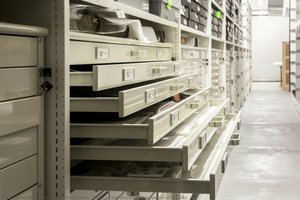
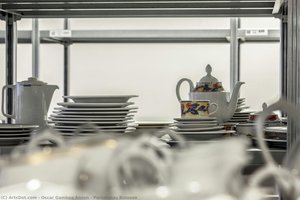
While celebrated for his acting prowess, recent discoveries reveal another fascinating dimension to Anson’s artistic life: his passion for photography. A collection of his works has emerged, offering a glimpse into a lesser-known side of the actor's creative spirit. These photographs aren’t glamorous portraits or staged scenes; instead, they are starkly beautiful documentary images capturing industrial landscapes and organized storage spaces. Works like ‘Porcelanas Bidasoa’, with its geometric lines and focus on white ceramics, demonstrate an eye for composition and a fascination with form. ‘View of the Deposit for Paper and Textiles’ similarly highlights his ability to find beauty in the mundane, transforming archival storage into a museum-like tableau. These images suggest a contemplative artist who observed the world around him with a keen sense of detail and a unique aesthetic sensibility.Influences and Artistic Development
Pinpointing specific artistic influences on Anson is challenging given limited documentation about his early life and training. However, it’s reasonable to assume that exposure to American cinema – particularly films starring Clark Gable – played a role in shaping his acting style and persona. The prevalence of Hollywood imports in the Philippines during his formative years undoubtedly influenced the aesthetics and conventions of local filmmaking. His photographic work, on the other hand, appears less directly tied to any specific movement or artist. Instead, it reflects a personal vision—a quiet exploration of space, form, and texture. The muted color palettes and focus on industrial subjects suggest an interest in realism and perhaps even a subtle commentary on modernization and societal change.A Lasting Impact: Remembering Oscar Gamboa Anson
Oscar Gamboa Anson’s legacy extends beyond his filmography and photographic oeuvre. He represents a pivotal era in Philippine cinema—a time of burgeoning national identity, artistic experimentation, and widespread popular appeal. His films continue to be enjoyed by audiences today, offering a window into the cultural values and aesthetic sensibilities of a bygone era. His daughter, Boots Anson-Roa, has been instrumental in preserving his memory and promoting his work, ensuring that future generations appreciate his contributions to Philippine art and entertainment. He was not only a beloved actor but also a father, a son, and an artist who found beauty in unexpected places—a true icon of the silver screen and a captivating visual storyteller.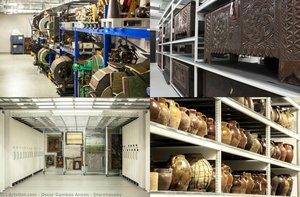
oscar gamboa anson
1921 - 2003 , Philippines
Quick Facts
- Artistic Movement Or Style: Philippine Cinema
- Date Of Birth: October 25, 1921
- Date Of Death: July 19, 2003
- Full Name: Oscar Gamboa Anson
- Nationality: Filipino
- Notable Artworks:
- Sarawak
- Anak ng Kidlat
- Dugong Bughaw
- Place Of Birth: Camalig, Philippines