

 Preview
 Send
Send Share
Share
 Details

 Download
 Similars
 X-Ray
X-Ray Diaporama
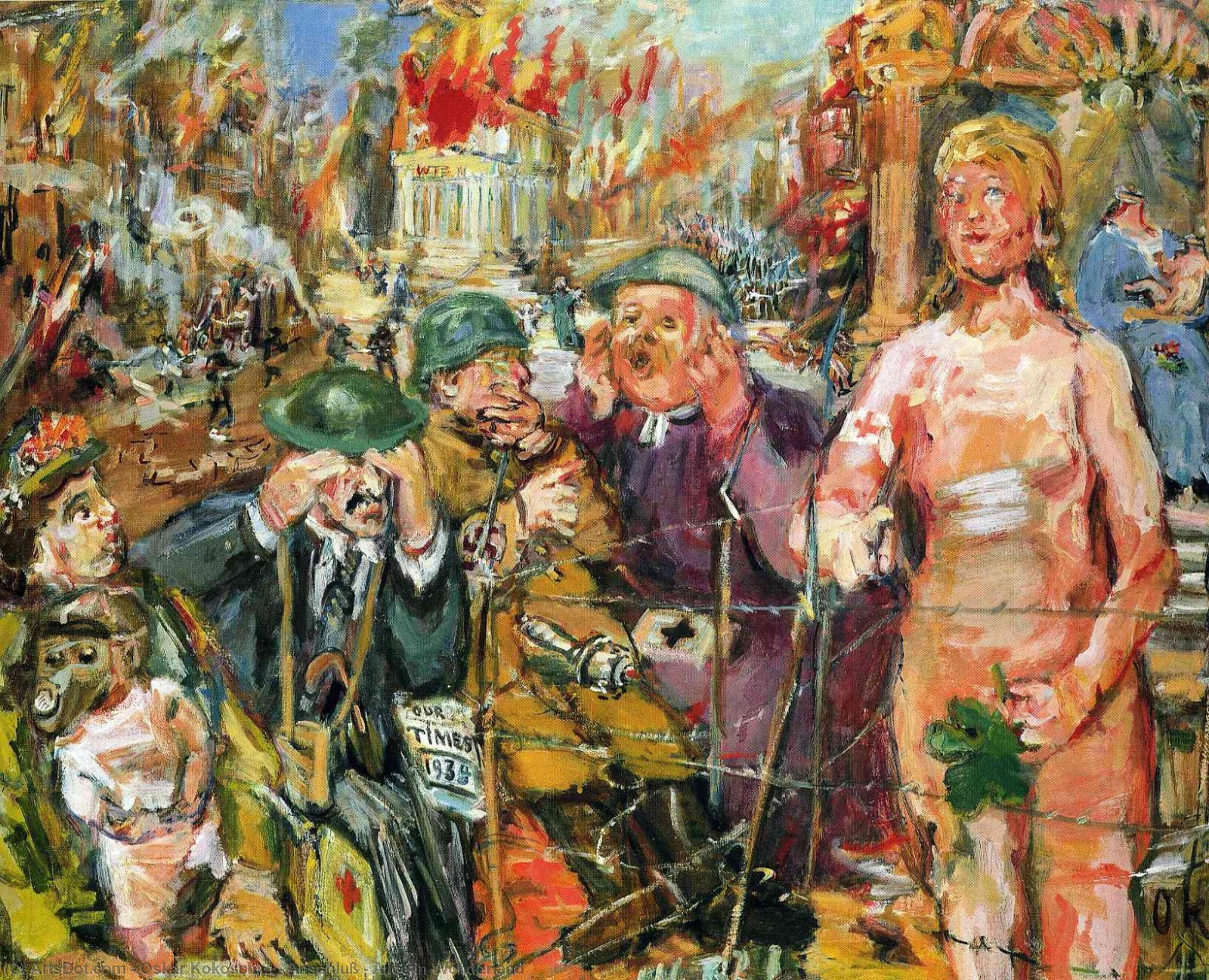
Anschluß - Alice in Wonderland


 Read More
Purchase a high-resolution, enhanced digital image, far superior to the online preview.
Each file is meticulously prepared by our in-house specialists using advanced tools and expert manual retouching. We ensure every image has exceptional clarity, precise color accuracy, and fine detail.
The final file is delivered via email within 72 hours, optimized for immediate use in professional, editorial, and print environments. This is the same quality trusted by top-tier design studios, publishers, and galleries.
Digital Image
Download a high-resolution file for personal display, printing, and creative projects. ( Buy Print Buy Hand Made Painting)
Included in Every Digital Image Order
Expert Digital Delivery, Guaranteed
When you choose ArtsDot.com, you're not just getting an image - you're receiving a professionally enhanced digital artwork, crafted with precision and backed by a satisfaction guarantee. Here's everything that comes with your order, automatically:

Fast Email Delivery
Your high-resolution digital image file will be emailed to you within 72 hours of ordering - ready for immediate use.

AI-Enhanced Digital File
Your artwork is professionally optimized using advanced AI tools and manual editing, ensuring maximum detail, clarity, and color accuracy.

Free Lifetime Re-Delivery
Accidentally deleted or lost your file? No worries - we'll resend it to you anytime, free of charge.

No Import Fees - Ever
Enjoy your artwork instantly with zero customs, duties, or delivery fees - digital downloads are always tax-free.

Color Accuracy Guarantee
We ensure your digital image reflects the original colors as closely as possible using professional tools and color management.

60-Day Satisfaction Guarantee
If you're not satisfied with your digital image, we'll revise it or refund 100% within 60 days - no questions asked.

100% Money-Back Guarantee
Not satisfied? Get a full refund within 60 days of receiving your digital file - no questions asked.

Bulk Order Discounts
Buy 3 images, save 10% - Buy 5, save 15% - Buy 10+, save 20%. Great for creative projects, galleries, and agencies.
Collectible Description
A Visionary Tapestry of Chaos and Color
In the profound and turbulent era of 1942, Oskar Kokoschka delivered a masterpiece that defies simple categorization, titled Anschluß - Alice in Wonderland. This expansive work serves as a visceral window into a world caught between the surrealism of dreams and the harsh realities of mid-century upheaval. At first glance, the viewer is swept into a kaleidoscopic gathering, a dense thicket of humanity where figures are woven together in a complex dance of existence. The composition is anchored by a striking central figure—a woman standing with an air of defiant vulnerability, her hands resting upon her hips. She stands as a pillar of presence amidst a sea of at least thirteen other individuals, some draped in the raw honesty of nudity, others caught in the quiet intimacy of whispered conversations. It is a scene that feels simultaneously like a bustling street corner and a fever dream, where the boundaries between the public sphere and the private psyche are irrevocably blurred.
The technique employed by Kokoschka is nothing short of transformative, utilizing the hallmarks of early Expressionism to breathe life into every brushstroke. The painting vibrates with an electric energy, achieved through a masterful application of color and texture that suggests movement even in stillness. There is a rhythmic quality to the way the figures are distributed across the canvas, guided by subtle compositional elements such as the presence of birds—one perched near the upper left and another drifting toward the center-right. These avian observers act as silent witnesses to the human drama below, adding a layer of naturalistic whimsy to an otherwise psychologically charged environment. For the discerning collector or interior designer, this piece offers a profound sense of depth; its layered complexity ensures that the artwork reveals new nuances with every passing glance, making it a captivating focal point for any sophisticated space.
Symbolism and the Echoes of History
To understand Anschluß - Alice in Wonderland, one must look beneath the vibrant surface to the historical shadows cast by its date of creation. The title itself carries heavy connotations, referencing the political annexation of Austria, a period of immense tension and loss for Kokoschka’s homeland. By juxtaposing this heavy historical weight with the whimsical, nonsensical imagery of Alice in Wonderland, the artist creates a powerful symbolic tension. The "wonderland" here is not merely a place of fantasy, but a metaphor for a world that has lost its logic, where the familiar structures of society are dissolving into chaos. The nudity and the raw, unshielded expressions of the subjects suggest a stripping away of social pretension, leaving only the essential, often anxious, human truth.
For those seeking to integrate art into a curated environment, this reproduction offers more than mere decoration; it provides an emotional anchor. The painting’s ability to evoke both the lively energy of a crowd and the profound solitude of the individual makes it an incredibly versatile piece for high-end interiors. Whether placed in a gallery-style living room or a contemplative study, the work invites conversation and reflection. It is a celebration of the human spirit's resilience amidst disorder—a masterpiece of psychological depth that continues to resonate with the same intensity it possessed decades ago.
Related Artworks
Artist Biography
A Life Etched in Expression: The World of Oskar Kokoschka
Oskar Kokoschka, born on March 1, 1886, in Pöchlarn, Austria, was a figurehead of early Expressionism, an artist whose work pulsed with the anxieties and passions of a rapidly changing world. His life, marked by both intense personal drama and historical upheaval, became inextricably woven into the fabric of his art. From humble beginnings as the son of a goldsmith and a mother who fostered his artistic inclinations, Kokoschka’s path diverged from conventional expectations. He rejected a scientific career to pursue his calling at the Kunstgewerbeschule in Vienna, a decision that set him on a course toward becoming one of the most psychologically penetrating portraitists of his time. Even as a young student, he displayed an unusual sensitivity and a willingness to challenge artistic norms, traits that would define his entire oeuvre. His early education was steeped in the atmosphere of fin-de-siècle Vienna, a city brimming with intellectual ferment and artistic innovation, yet also shadowed by a growing sense of unease. This duality – beauty and anxiety, tradition and modernity – became a central theme in Kokoschka’s work.
The Viennese Years: Portraits and Passion
Kokoschka quickly established himself as a daring portraitist within the vibrant artistic community of Vienna. He didn't aim for mere likeness; instead, he sought to capture the inner turmoil and psychological complexity of his sitters. His portraits were often unsettling, even confrontational, revealing vulnerabilities and hidden depths. This approach resonated with an audience increasingly fascinated by the burgeoning field of psychoanalysis pioneered by Sigmund Freud. The influence of Freud is palpable in Kokoschka’s work, as he delved into the subconscious and explored themes of desire, alienation, and identity. A pivotal moment in his life – and art – was his passionate affair with Alma Mahler, the widow of composer Gustav Mahler. This tumultuous relationship inspired some of his most iconic works, including The Bride of the Wind (The Tempest), a monumental canvas that is both a tribute to Alma and a haunting depiction of their fraught connection. The painting’s swirling forms and intense colors convey a sense of emotional turbulence and impending doom, reflecting the instability of their love affair. It stands as a testament to Kokoschka's ability to translate personal experience into universal themes.
War, Exile, and Artistic Evolution
The outbreak of World War I dramatically altered Kokoschka’s life. He volunteered for service in the Austrian army, experiencing firsthand the horrors of trench warfare. Severely wounded in 1915, his experiences on the front lines left an indelible mark on his psyche and informed his later work. The war years saw a shift in his style, with landscapes becoming increasingly prominent alongside portraits. These landscapes were not idyllic depictions of nature but rather expressions of alienation and despair, reflecting the trauma he had endured. As political tensions escalated in Europe during the 1930s, Kokoschka found himself targeted by the Nazi regime due to his outspoken opposition to fascism and his association with avant-garde movements deemed “degenerate.” Forced into exile, he fled Austria in 1934, eventually settling in England in 1938. This period of displacement and uncertainty further deepened his sense of isolation but also fueled his artistic creativity. He became a British citizen in 1946, continuing to paint and exhibit internationally while remaining deeply committed to social justice and human rights.
A Legacy of Expressionistic Vision
Oskar Kokoschka’s contribution to the history of art is profound and multifaceted. His intensely expressive portraits challenged conventional notions of representation, paving the way for future generations of artists to explore the psychological dimensions of their subjects. His landscapes, often characterized by a sense of foreboding and emotional intensity, captured the anxieties of a world on the brink of chaos. He was a master draftsman, employing bold brushstrokes and vibrant colors to convey his unique vision. Beyond his painting, Kokoschka was also a prolific writer and playwright, further demonstrating his intellectual curiosity and artistic versatility. His theories on vision, which emphasized the importance of perception and emotional response, influenced the development of Expressionism in Vienna and beyond. Key works such as *Self-Portrait as Warrior*, *Thésée et Antiope*, and numerous portraits displayed at museums like the Kunsthaus Zürich and the Belvedere Palace in Vienna continue to captivate audiences with their raw emotion and psychological depth. Oskar Kokoschka passed away on February 22, 1980, leaving behind a legacy of artistic innovation and unwavering commitment to expressing the complexities of the human condition. His work remains a powerful testament to the enduring power of art to confront difficult truths and illuminate the depths of the human soul.
Kokoschka’s Enduring Influence
The impact of Kokoschka extends beyond his own artistic output, influencing subsequent generations of artists. Suzanne Sternberg, for example, directly studied under him, absorbing his expressive techniques and philosophical approach to art. His emphasis on emotional honesty and psychological insight resonated with Abstract Expressionists in the mid-20th century and later Neo-Expressionists. Kokoschka’s willingness to confront uncomfortable truths and challenge artistic conventions continues to inspire artists today. He demonstrated that art could be a powerful tool for social commentary, personal expression, and ultimately, a deeper understanding of ourselves and the world around us. His work serves as a reminder that true artistry lies not in replicating reality but in revealing its hidden depths and emotional resonance.
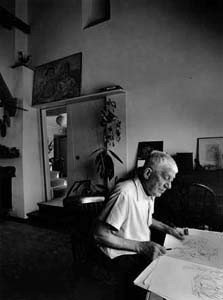
Oskar Kokoschka
1886 - 1980 , Croatia
Quick Facts
- Artistic Movement Or Style: Expressionism
- Artists Or Movements Influenced By This Artist: ['Neo-Expressionists']
- Date Of Birth: March 1, 1886
- Date Of Death: February 22, 1980
- Full Name: Oskar Kokoschka
- Nationality: Austrian, British
- Notable Artworks:
- The Bride of the Wind
- Self-portrait as Warrior
- Place Of Birth: Pöchlarn, Austria

