 Preview
 Send
Send Share
Share
 Details

 Download
 Similars
 X-Ray
X-Ray Diaporama
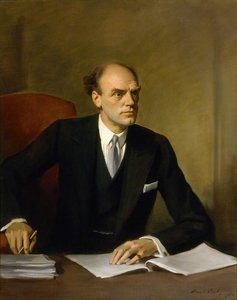
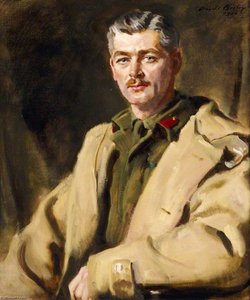
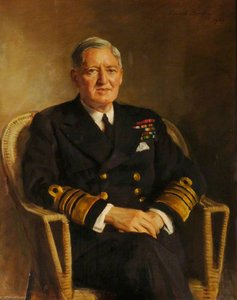
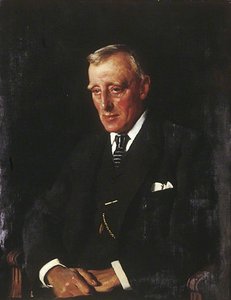
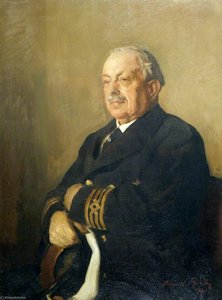
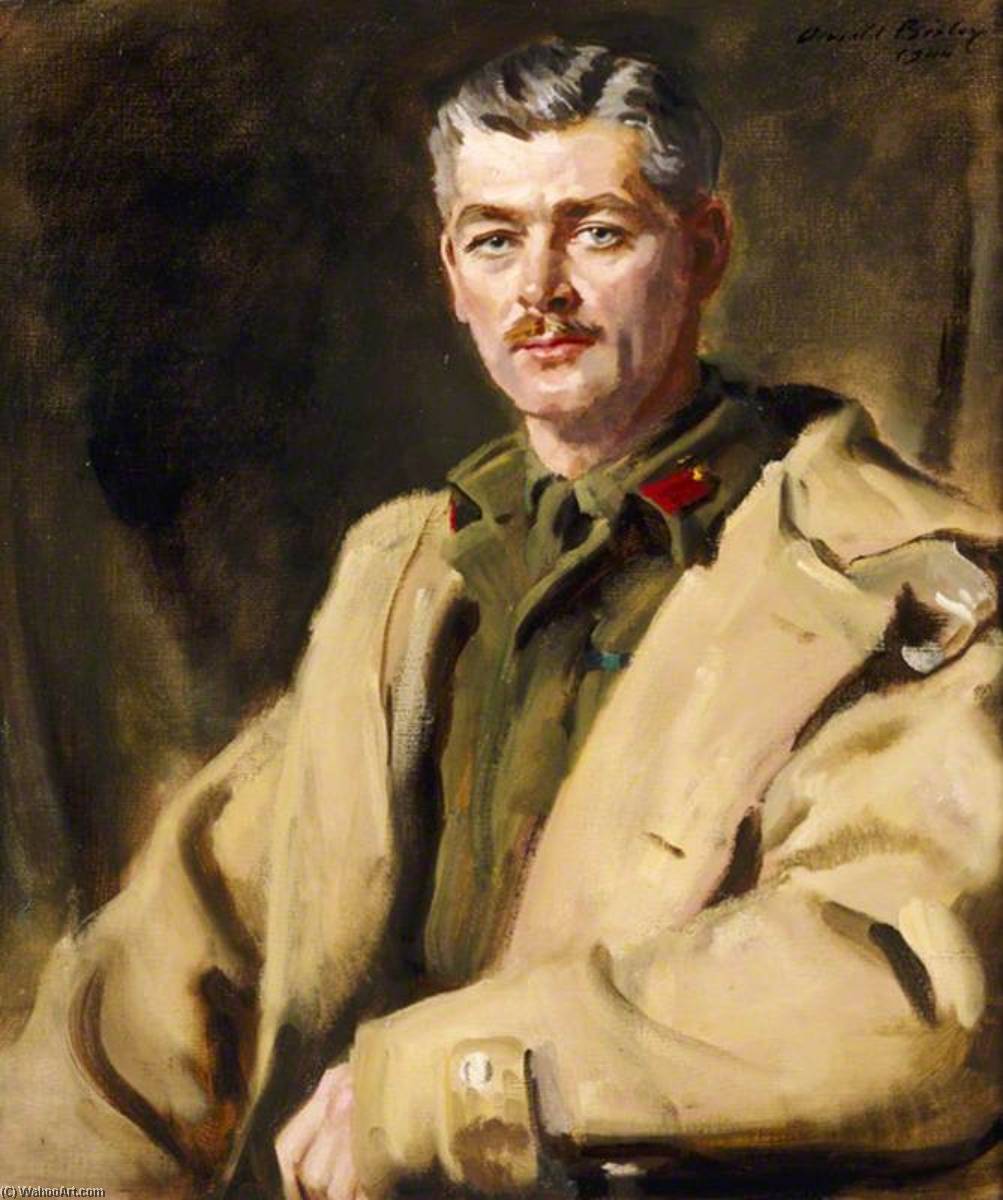
Sir John Carew Pole (1902–1993), 12th Bt
 Oil
Oil- WallArt
- Contemporary Realism
 1944
1944- Modern
 74.0 x 62.0 cm
 National Trust
 Read More
Hand Made Oil Reproduction
Hand-painted oil on canvas in your size and frame, made to order by our artists. ( Buy Print Buy Image)




P118B $10

P118H $10

P118W $10

P438Z $10

P508JH $12

P508YH $12

P805H $10

P805Z $10

P919BZ $10

P919G $10

P919XJ $10

P959ZH $10

P968JZ $12

W106C $8

W218G $10

W218JH $8

W218Y $10

W307PJ $10

W316G $10

W316PJ $8

W316Y $10

W398PJ $8

W4111J $10

W500HY $15

W500JH $15

W692G $12

W849H $8

W940BG $15

W953PJ $8




Pick from our preset sizes that match the artwork's original proportions.

You may enter your own dimensions to fit a specific frame or space. If your selected size does not match the original image's proportions, we will either crop the artwork or extend the painting with additional hand-painted elements. A digital mockup will be sent for your approval before production begins.
Please note that the on-screen preview does not reflect the actual cropping or extension. Only the mockup will accurately show the final composition.
While custom sizes are available, we recommend selecting a dimension from the predefined list to preserve the original proportions.
After order, ArtsDot.com team will email client for instructions and provide a mockup preview
Worldwide Delivery () in 3/4 weeks instead of standard 5 weeks. (16 August). No compromise on quality.

Free Worldwide Express Shipping

High-Quality Linen Canvas

Full Shipping Insurance

Customs Tax Refund Guarantee

True Color Matching Guarantee

60-Day Return Policy (Defects Only)

100% Money-Back Guarantee

Bulk Discount Offer
 Glass option is only available in size under 110 CM

Sir John Carew Pole (1902–1993), 12th Bt
Reproduction Medium
Reproduction Size
-


Total Price
$ 263
Artwork Description
A Glimpse into Aristocratic Dignity
In this commanding portrait from 1944, Sir Oswald Birley captures the essence of Sir John Carew Pole with a profound sense of presence and historical weight. The painting presents a man of distinction, seated with a composed and thoughtful posture that immediately commands the viewer's attention. Dressed in a meticulously detailed military uniform, the subject embodies the disciplined spirit of an era defined by duty and service. Birley’s masterful ability to render the textures of the fabric, the subtle sheen of the insignia, and the heavy weight of the sitter's gaze creates a window into the mid-20th century British aristocracy. The composition, centered around the seated figure, utilizes a sophisticated sense of depth that draws the observer into the intimate space shared with the subject, making the encounter feel both personal and monumental.
The artistry of Sir Oswald Birley shines through in his delicate handling of light and shadow, a technique that breathes life into the facial features of the 12th Baronet. Every line of the sitter's mustache, the thoughtful furrow of his brow, and the steady clarity of his eyes are rendered with an academic precision that speaks to Birley’s legendary status as a royal portraitist. The artist employs a rich, tonal palette that emphasizes the somber yet noble atmosphere of the period. Through subtle brushwork, the skin tones appear luminous against the darker, more structured elements of the military attire, creating a chiaroscuro effect that adds a layer of psychological depth to the work. This is not merely a likeness; it is an exploration of character, capturing a moment of quiet reflection amidst the turbulent backdrop of the 1940s.
A Timeless Addition to Refined Interiors
For the discerning collector or interior designer, this reproduction offers more than just visual beauty; it provides a sense of heritage and gravitas. The painting serves as an anchor for sophisticated spaces, such as private libraries, executive studies, or grand hallways, where its historical resonance can be fully appreciated. The portrait’s ability to evoke the atmosphere of a bygone age makes it an ideal centerpiece for decor that leans toward classical, traditional, or even modern-eclectic styles. By introducing such a piece into a room, one brings in a narrative of resilience and nobility, transforming a mere wall into a gallery of historical significance.
Investing in a high-quality reproduction of Birley’s work allows for the appreciation of fine art's emotional impact without the constraints of museum-grade acquisitions. The piece invites conversation, prompting guests to contemplate the identity of the man within the frame and the era he represents. Whether used to complement antique furniture or to provide a striking contrast against contemporary minimalism, this portrait remains a testament to the enduring power of classical portraiture to inspire awe and respect.
Related Artworks

Artist Biography
The Distinguished Legacy of Sir Oswald Birley
Sir Oswald Hornby Joseph Birley stands as a monumental figure in the history of British portraiture, an artist whose brush captured the very essence of an era defined by transition and grandeur. Born on March 31st, 1880, to a lineage steeped in military significance—his father, Hugh Francis Birley, was a man of notable historical weight—Birley’s early life was shaped by the disciplined traditions of the British upper class. His formative years at Harrow School and Trinity College, Cambridge, provided more than just an elite education; they instilled in him a profound appreciation for classical scholarship and a meticulous eye for detail that would later become the hallmark of his artistic mastery. This intellectual foundation allowed him to approach portraiture not merely as a technical exercise, but as a deep psychological exploration of his subjects.
The trajectory of Birley’s life was irrevocably altered by the onset of the Great War. Serving with distinction in the Royal Fusiliers and later within the Intelligence Corps, he demonstrated a bravery that earned him the Military Cross in 1919. This period of intense conflict and service brought a unique depth to his character, infusing his later work with a profound understanding of human resilience, leadership, and the weight of responsibility. The shadows of war and the gravity of wartime intelligence likely contributed to the subtle, soulful realism found in his depictions of the world's most influential figures, allowing him to look beyond the surface of fame to find the humanity beneath.
A Master of Royal and Global Portraiture
Birley’s ascent to the pinnacle of the art world was cemented through his extraordinary relationship with the British Monarchy. Securing the patronage of King George V and Queen Mary, he became the preeminent chronicler of the Edwardian and interwar periods. His style, characterized by an exquisite command of light, subtle tonal gradations, and a meticulous attention to texture, allowed him to render the regalia of royalty with breathtaking accuracy while maintaining an intimate connection to the sitter's spirit. He did not merely paint crowns and ermine; he painted the dignity and the burden of sovereignty.
Beyond the palace walls, Birley’s reach was truly global, as his talent attracted the most significant leaders of the 20th century. His portfolio serves as a visual record of history, featuring iconic likenesses of figures such as:
- Winston Churchill, capturing the resolute spirit of British leadership.
- Mahatma Gandhi, portraying the profound simplicity and strength of the Indian independence movement.
- Members of the British Royal Family, documenting the continuity of tradition through changing decades.
His ability to pivot between the opulent settings of the aristocracy and the stark, powerful presence of political revolutionaries demonstrates a versatile genius. Through his work, the textures of silk and velvet are balanced against the raw, psychological intensity of his subjects' gazes, creating a body of work that is as much about character as it is about composition.
Artistic Technique and Historical Significance
The enduring significance of Sir Oswald Birley lies in his ability to bridge the gap between traditional academic portraiture and a more modern, psychological realism. While his technique remained rooted in the classical traditions of fine detail and formal elegance, his focus on the inner life of his subjects predated much of the emotive depth seen in later portraitists. He possessed a rare ability to use light not just to define form, but to suggest mood and historical weight. Every stroke was deliberate, contributing to an atmosphere of permanence and remembrance.
As we look back upon his life and work, Birley remains more than just a painter of the elite; he was a historian of the human face. His portraits serve as windows into a vanished world, preserving the likenesses of those who shaped the modern age. Through his mastery of the medium, Sir Oswald Birley ensured that the dignity, the struggle, and the triumphs of his subjects would remain etched in the collective memory of the art world forever.
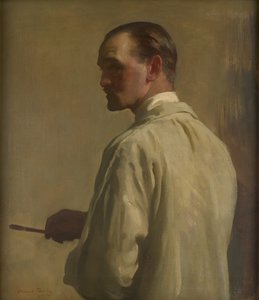
oswald hornby joseph birley
1880 - 1952
Quick Facts
- Artistic Movement Or Style: Portrait Painting
- Artists Or Movements Influenced By This Artist: ['Lancashire Family']
- Artists Who Influenced This Artist: ['Hugh Hornby Birley']
- Date Of Birth: March 31, 1880
- Date Of Death: May 6, 1952
- Full Name: Oswald Hornby Joseph Birley
- Nationality: English
- Notable Artworks:
- King George V Portrait
- Queen Mary Portrait
- Gandhi Portrait
- Churchill Portrait
- Place Of Birth: New Zealand
Related Articles

Elevating Workspace Aesthetics: Top 5 Art Styles for Contemporary Offices
Elevate your office aesthetic with 's expert guide to the top 5 art styles for contemporary workspaces. Boost productivity & inspire creativity – discover the perfect look today!

The Curated Executive: Elevating Modern Workspaces with Masterpiece Art Reproductions
Transform your executive workspace into a prestigious sanctuary. Discover how hand-painted art reproductions, from Renaissance classics to modern masterpieces, elevate professional presence, inspire creativity, and create a sophisticated, curated environment for the modern leader.

Elevating Your Tech Startup's Culture: A Strategic Guide to Office Art Selection
Elevate your tech startup's culture & productivity with strategic art selection. Expert guidance on aligning artwork with brand values, boosting employee wellbeing, and streamlining bulk orders.
The Eloquence of Form: Aesthetic Principles & Conceptual Representations in Art History
Explore the rich history of aesthetic theory & formal analysis in art. Discover key movements, artists like Dali & Raphael, and learn to build a discerning collection with ArtsDot.

Elevating Corporate Spaces: A Guide to Selecting Fine Art for the Modern Office
Elevate your office with curated fine art. Our expert guide helps tech startups select artwork that enhances brand identity, boosts employee morale & creates a lasting impression. Discover bespoke solutions from .