

 Preview
 Send
Send Share
Share
 Details

 Download
 Similars
 X-Ray
X-Ray Diaporama
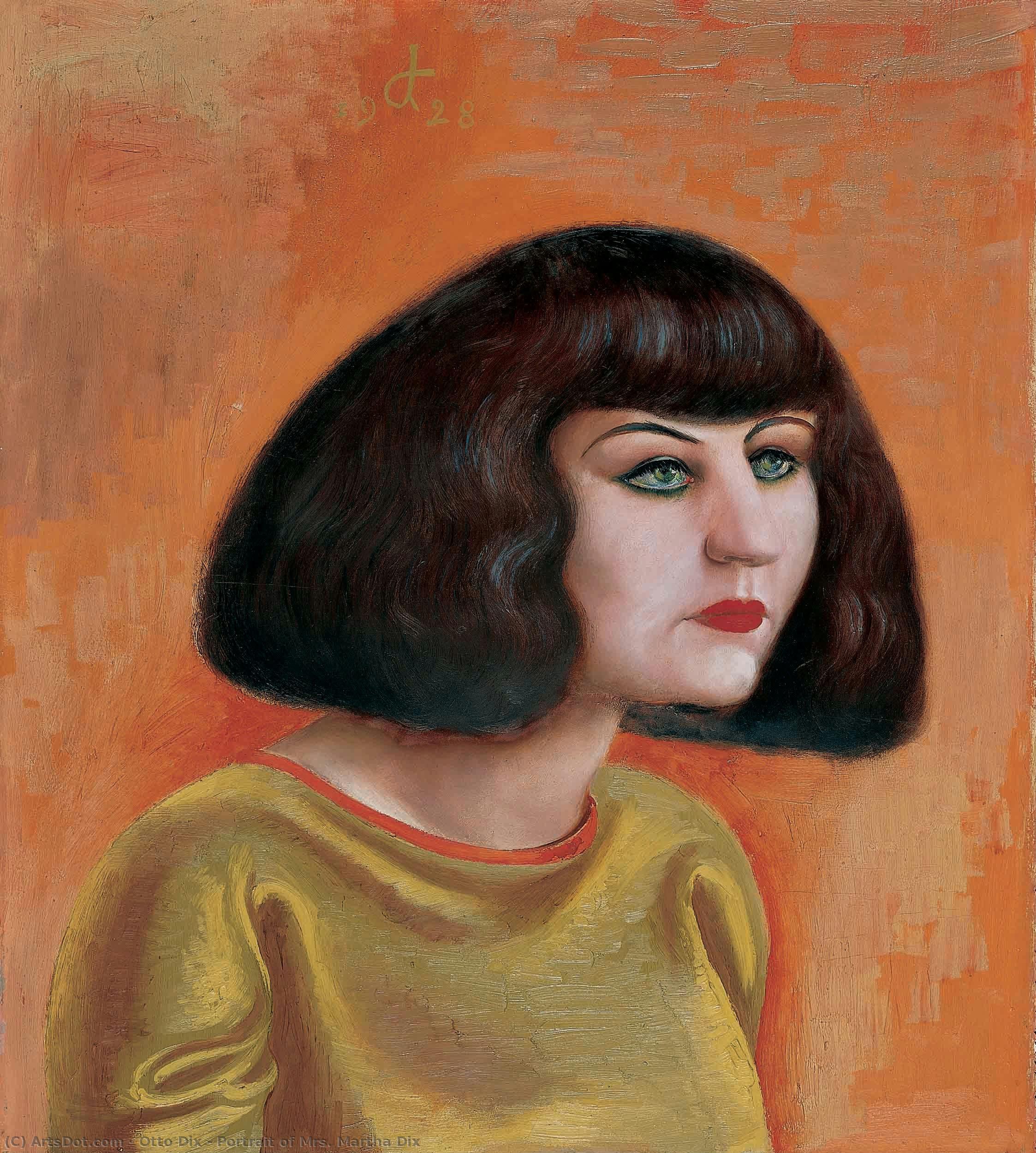
Portrait of Mrs. Martha Dix


 Read More
Purchase a high-resolution, enhanced digital image, far superior to the online preview.
Each file is meticulously prepared by our in-house specialists using advanced tools and expert manual retouching. We ensure every image has exceptional clarity, precise color accuracy, and fine detail.
The final file is delivered via email within 72 hours, optimized for immediate use in professional, editorial, and print environments. This is the same quality trusted by top-tier design studios, publishers, and galleries.
Digital Image
Download a high-resolution file for personal display, printing, and creative projects. ( Buy Print Buy Hand Made Painting)
Included in Every Digital Image Order
Expert Digital Delivery, Guaranteed
When you choose ArtsDot.com, you're not just getting an image - you're receiving a professionally enhanced digital artwork, crafted with precision and backed by a satisfaction guarantee. Here's everything that comes with your order, automatically:

Fast Email Delivery
Your high-resolution digital image file will be emailed to you within 72 hours of ordering - ready for immediate use.

AI-Enhanced Digital File
Your artwork is professionally optimized using advanced AI tools and manual editing, ensuring maximum detail, clarity, and color accuracy.

Free Lifetime Re-Delivery
Accidentally deleted or lost your file? No worries - we'll resend it to you anytime, free of charge.

No Import Fees - Ever
Enjoy your artwork instantly with zero customs, duties, or delivery fees - digital downloads are always tax-free.

Color Accuracy Guarantee
We ensure your digital image reflects the original colors as closely as possible using professional tools and color management.

60-Day Satisfaction Guarantee
If you're not satisfied with your digital image, we'll revise it or refund 100% within 60 days - no questions asked.

100% Money-Back Guarantee
Not satisfied? Get a full refund within 60 days of receiving your digital file - no questions asked.

Bulk Order Discounts
Buy 3 images, save 10% - Buy 5, save 15% - Buy 10+, save 20%. Great for creative projects, galleries, and agencies.
Collectible Description
A Portrait Steeped in Modern Angst: Otto Dix’s Bildnis Frau Martha Dix
The portrait of Mrs. Martha Dix by Otto Dix stands as a poignant emblem of the Weimar Republic—a period defined by artistic experimentation, social upheaval, and an unsettling confrontation with the horrors of impending war. Dix married Martha Dix in 1923, marking a moment captured not merely as a visual record but as an assertion of individuality against the prevailing currents of stylistic conformity. This seemingly straightforward depiction transcends mere likeness; it’s a deliberate provocation, reflecting Dix's profound engagement with the anxieties and contradictions inherent within his era.- Style & Technique: Dix’s approach aligns closely with Neue Sachlichkeit—a movement prioritizing objectivity and unflinching realism over sentimentalism or romantic idealism. He eschews lush color palettes in favor of a monochrome scheme, primarily utilizing shades of ochre and burnt umber, which lend the image an austere quality. The artist employs impasto technique – thick layers of paint applied directly to the canvas – creating textural surfaces that convey both physicality and emotional intensity. This deliberate layering underscores Dix’s commitment to capturing not just what is seen but also how it feels.
- Composition & Visual Elements: The portrait's central focus rests upon Martha Dix’s face, framed by a slightly tilted head—a gesture that invites intimacy while simultaneously conveying a subtle sense of unease. Dix skillfully utilizes shallow depth of field to isolate the subject’s features, emphasizing her expressive gaze and highlighting the contours of her hair and clothing. The background orange hue serves as a jarring counterpoint to the muted tones of the figure, mirroring the turbulent social landscape of Weimar.
- Materials Used: Primarily oil paint on canvas. The artist meticulously builds up texture and color through multiple layers, demonstrating a profound understanding of pigment behavior and artistic materiality.
Related Artworks
Artist Biography
Early Life and the Shadow of War
Wilhelm Heinrich Otto Dix, born in 1891 in Untermhaus, Germany, emerged from a world steeped in industrial labor and quiet artistic yearning. His father toiled as an iron foundry worker, while his mother nurtured a poetic spirit, creating a domestic landscape that subtly fostered young Otto’s creative inclinations. Crucially, it was the influence of his cousin, the painter Fritz Amann, that truly ignited Dix's ambition. Hours spent in Amann’s studio weren’t merely lessons in technique; they were an immersion into a world where artistic expression held tangible power. This early exposure led to an apprenticeship with Carl Senff and subsequent studies at the Kunstgewerbeschule in Dresden, though initially focused on applied arts rather than fine painting. However, it was the cataclysm of World War I that irrevocably shaped Dix’s artistic trajectory. Volunteering for service, he experienced the brutal realities of trench warfare firsthand, a trauma that would haunt his work for decades to come. The horrors witnessed during battles like the Somme and in Flanders left an indelible mark, transforming him from a promising landscape painter into a chronicler of human suffering and societal decay.The Weimar Republic and Neue Sachlichkeit
Returning from the war profoundly changed, Dix channeled his experiences into unflinching depictions of its aftermath. His early post-war work reflected Expressionist tendencies, but he soon gravitated towards a new aesthetic—*Neue Sachlichkeit*, or New Objectivity. This movement rejected emotional abstraction in favor of stark realism and critical social commentary. Dix became one of its leading figures alongside George Grosz and Max Beckmann. Paintings like The Trench (1923) caused public outrage with their graphic portrayal of dismembered bodies, forcing museums to hide the work from view. This wasn’t merely shock value; it was a deliberate attempt to confront viewers with the brutal truth of war, stripping away any romanticized notions of heroism or glory. He didn't shy away from depicting the physical and psychological wounds inflicted upon soldiers, nor did he ignore the societal indifference towards their plight. His series of paintings War Cripples further underscored this theme, portraying veterans marginalized and forgotten by a society eager to move on. Beyond war, Dix turned his gaze toward the excesses and moral bankruptcy of Weimar Germany. Metropolis (1928) is a scathing indictment of urban life, filled with scenes of debauchery, prostitution, and social alienation. His portraits from this period are equally unflinching, capturing the cynicism and decadence of the era’s elite.Political Turmoil and Later Years
As Germany descended into political turmoil in the 1930s, Dix found himself increasingly targeted by the Nazi regime. His art was deemed “degenerate,” and he was dismissed from his teaching position at the Dresden Academy of Fine Arts in 1933. Facing persecution and censorship, Dix gradually shifted away from overtly political themes, turning instead to landscapes and religious subjects—a strategic move for self-preservation. However, even these later works retained a sense of underlying tension and unease. During World War II, he was conscripted into the German army once more, an experience that further solidified his anti-war stance. After the war, Dix found renewed recognition and acclaim, though the trauma of both conflicts continued to resonate in his art. He became a respected figure in post-war Germany, but never fully escaped the shadow of his wartime experiences.Legacy and Artistic Impact
Otto Dix’s artistic legacy is multifaceted and enduring. He remains one of the most important German painters of the 20th century, renowned for his uncompromising realism, scathing social critique, and unflinching portrayal of human suffering. His influence can be seen in the work of subsequent generations of artists who have sought to confront difficult truths and challenge societal norms. Dix’s ability to blend technical skill with emotional intensity sets him apart; he wasn't simply documenting reality, but interpreting it through a lens of profound empathy and moral outrage. His exploration of themes such as war, trauma, social injustice, and the human condition continues to resonate with audiences today. He demonstrated that art could be both aesthetically powerful and politically engaged, serving as a potent force for social change.- Dix’s work is featured in major museums worldwide, including the Museum of Modern Art in New York and the Suermondt-Ludwig-Museum in Germany.
- His etchings, particularly *The War*, are considered masterpieces of graphic art.
- He remains a pivotal figure in understanding the artistic and social landscape of Weimar Germany.
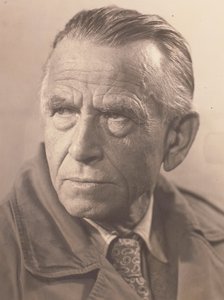
Otto Dix
1891 - 1969 , Germany
Quick Facts
- Artistic Movement Or Style: Neue Sachlichkeit
- Artists Or Movements Influenced By This Artist: ['George Grosz']
- Date Of Birth: December 2, 1891
- Date Of Death: July 25, 1969
- Full Name: Wilhelm Heinrich Otto Dix
- Nationality: German
- Notable Artworks:
- The Trench
- Metropolis
- War Cripples
- The War
- Place Of Birth: Untermhaus, Germany

