 Preview
 Send
Send Share
Share
 Details

 Download
 Similars
 X-Ray
X-Ray Diaporama
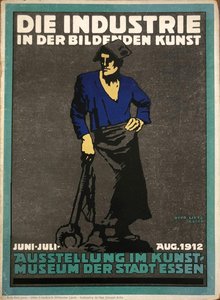
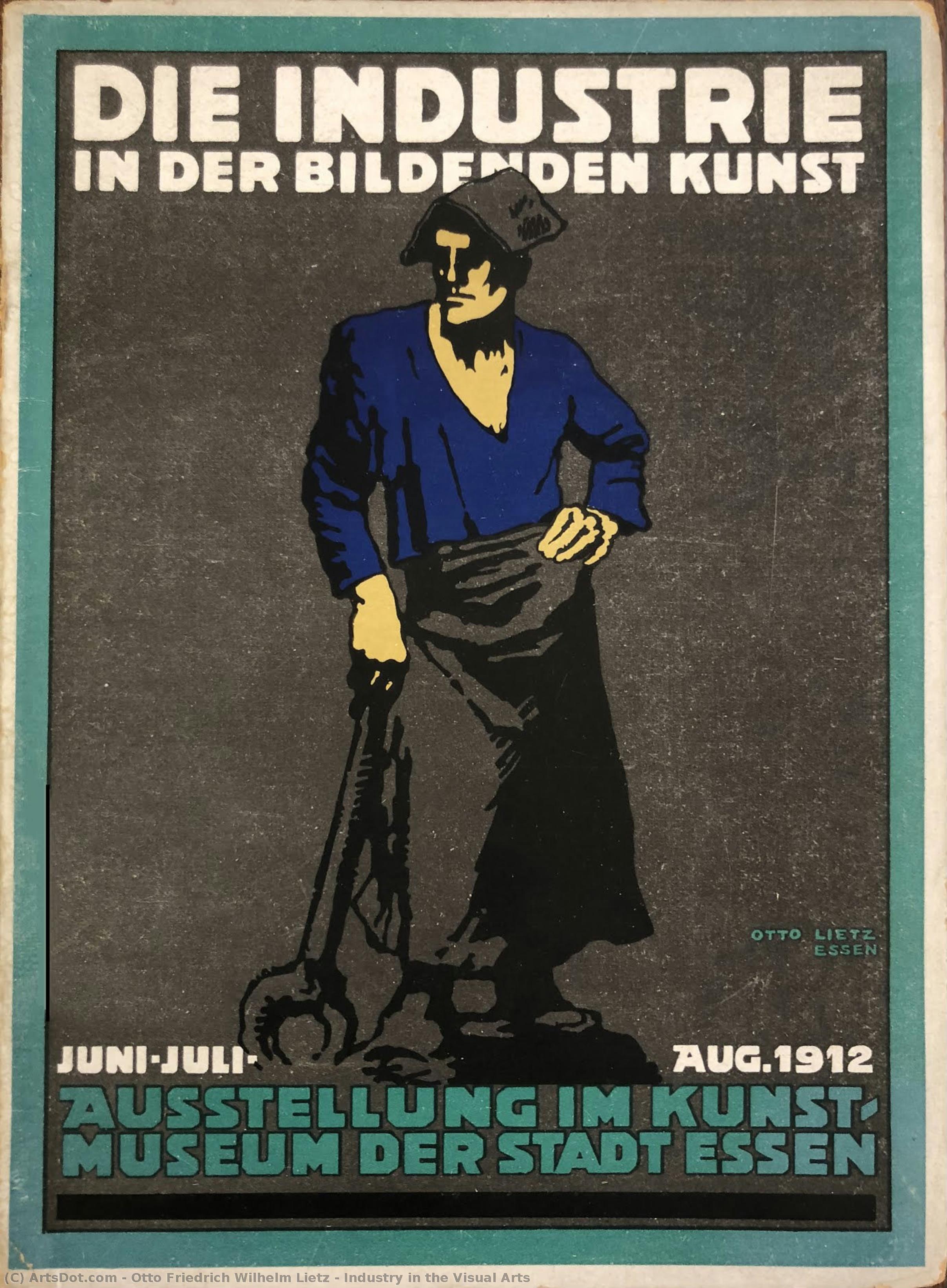
Industry in the Visual Arts


 Read More
Hand Made Oil Reproduction
Hand-painted oil on canvas in your size and frame, made to order by our artists. ( Buy Print Buy Image)




































Pick from our preset sizes that match the artwork's original proportions.

You may enter your own dimensions to fit a specific frame or space. If your selected size does not match the original image's proportions, we will either crop the artwork or extend the painting with additional hand-painted elements. A digital mockup will be sent for your approval before production begins.
Please note that the on-screen preview does not reflect the actual cropping or extension. Only the mockup will accurately show the final composition.
While custom sizes are available, we recommend selecting a dimension from the predefined list to preserve the original proportions.
After order, ArtsDot.com team will email client for instructions and provide a mockup preview
Worldwide Delivery () in 3/4 weeks instead of standard 5 weeks. (25 August). No compromise on quality.

Free Worldwide Express Shipping

High-Quality Linen Canvas

Full Shipping Insurance

Customs Tax Refund Guarantee

True Color Matching Guarantee

60-Day Return Policy (Defects Only)

100% Money-Back Guarantee

Bulk Discount Offer
 Glass option is only available in size under 110 CM

Industry in the Visual Arts
Reproduction Medium
Reproduction Size
-


Total Price
$ 263
Related Artworks






Artist Biography
Otto Friedrich Wilhelm Lietz: A Pioneer of Industrial Realism
Otto Friedrich Wilhelm Lietz (1870-1945) stands as a significant figure in German art history, particularly recognized for his contribution to the burgeoning field of industrial realism. Born in Berlin amidst the rapid transformation of late 19th and early 20th century Germany—a period marked by unprecedented industrial expansion and societal shifts—Lietz’s artistic vision sought to capture not just the surface appearance of these changes but also their profound impact on human experience. His meticulous observation and skillful execution cemented his place as one of the foremost practitioners of this influential stylistic movement.- Early Life & Artistic Training: Lietz received a formal education in Berlin’s Kunstakademie, where he honed his skills under renowned instructors focusing primarily on academic painting traditions. However, unlike many of his contemporaries who adhered strictly to established conventions, Lietz possessed an innate curiosity and a desire to engage with the realities of modern life—a characteristic that would ultimately shape his artistic trajectory.
- The Rise of Industrial Realism: The late Victorian era witnessed a dramatic surge in industrial production, fundamentally altering social structures and daily routines. Artists like Lietz responded to this dynamism by rejecting idealized landscapes and mythological subjects in favor of depictions of factories, workshops, and urban environments. This stylistic choice wasn’t merely aesthetic; it represented a deliberate effort to document and interpret the changing world around him.
Notable Works & Artistic Style
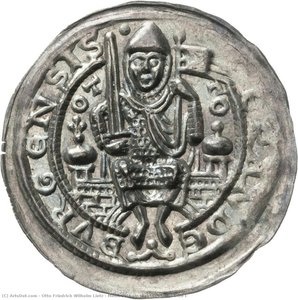
Lietz's oeuvre is characterized by remarkable detail and precision—traits that exemplify the core tenets of industrial realism. He meticulously rendered textures, lighting effects, and spatial relationships to convey a palpable sense of atmosphere and immediacy. His canvases frequently portray scenes of working-class life, capturing the physicality of labor and conveying both hardship and dignity. Consider his evocative portrayal of “Medieval Coin (Brandenburg: Otto I),” a striking piece demonstrating his mastery of academic realism and highlighting the influence of Eugène Delacroix’s Romantic style—particularly in its dramatic use of color and composition. Similarly, "File Cutters" showcases Skinner's meticulous attention to detail and captures the essence of Victorian-era factory life.- Recurring Themes: Lietz consistently explored themes related to labor, social conditions, and the human spirit confronting adversity. His works often depict women engaged in manual tasks—a deliberate commentary on gender roles within industrial society—and convey a sense of empathy for those whose lives were shaped by the demands of the burgeoning industrial age.
- Technique & Materials: Lietz employed oil paints with exceptional care, layering glazes and impasto techniques to achieve remarkable tonal depth and textural richness. His meticulous brushwork ensured that every element of his compositions—from the sheen of metal surfaces to the folds of fabric—was rendered with painstaking accuracy.
Influence & Legacy
Lietz’s artistic endeavors resonated deeply within the broader context of German art history. He served as a pivotal figure in establishing industrial realism as a distinct stylistic movement, inspiring subsequent generations of artists to confront contemporary realities with unflinching honesty and technical virtuosity. Although overshadowed by more celebrated contemporaries during his lifetime, Lietz's enduring legacy resides in his unwavering commitment to portraying the human condition amidst rapid societal change—a perspective that continues to inspire artistic exploration today.Further Exploration
You can find more information about Otto Friedrich Wilhelm Lietz and his artwork at Otto Friedrich Wilhelm Lietz’s Artworks Database. Explore reproductions of his compelling pieces and delve deeper into his artistic heritage.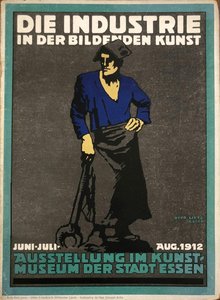
otto friedrich wilhelm lietz
1870 - 1945 , Germany
Quick Facts
- Artistic Movement Or Style: Lithographs
- Date Of Birth: 1870
- Full Name: Otto Friedrich Wilhelm Lietz
- Nationality: German
- Notable Artworks:
- Medieval Coin (Brandenburg: Otto I)
- File Cutters
- Place Of Birth: Berlin, Germany