 Preview
 Send
Send Share
Share
 Details

 Download
 Similars
 X-Ray
X-Ray Diaporama
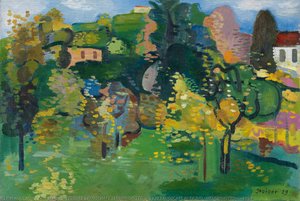
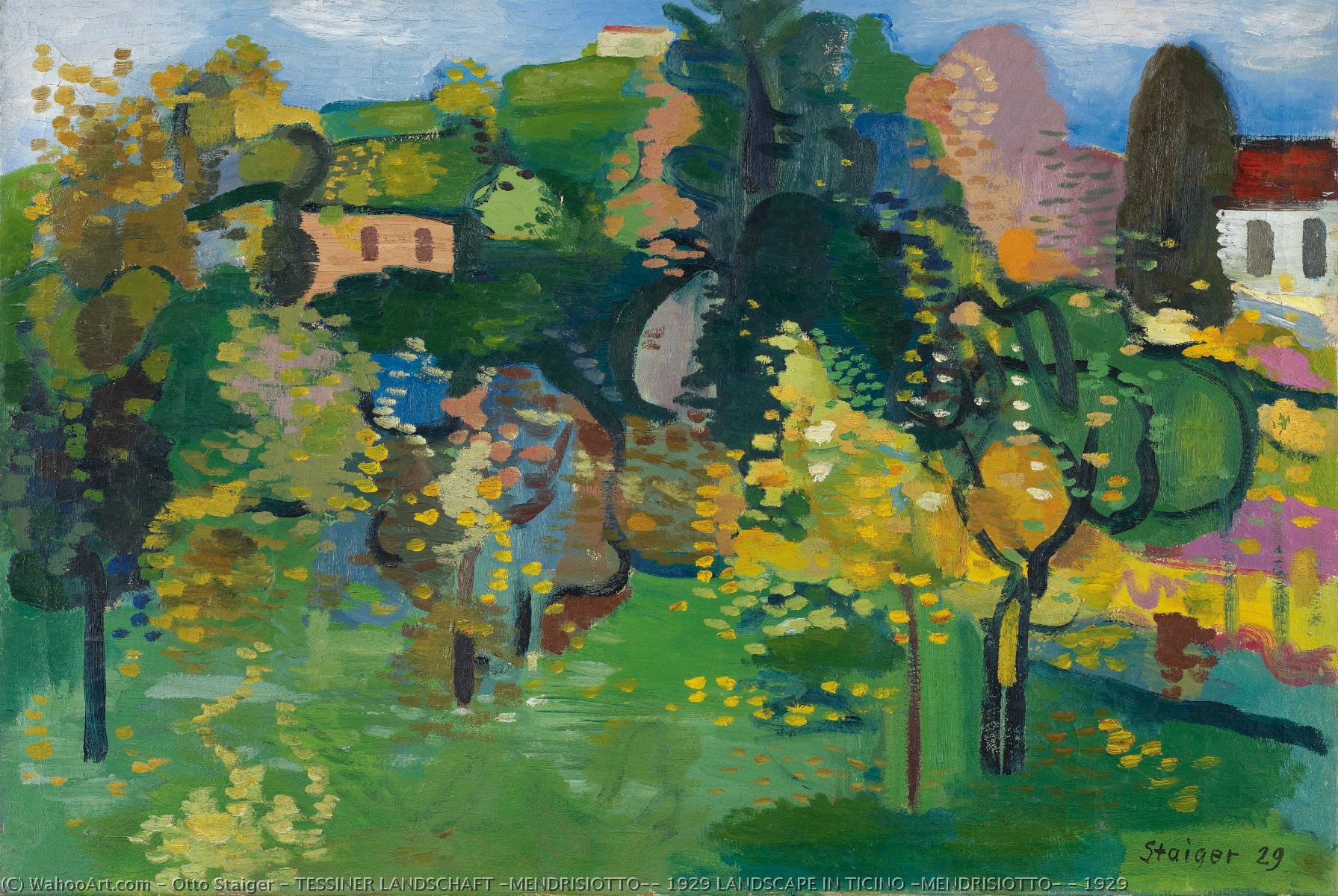
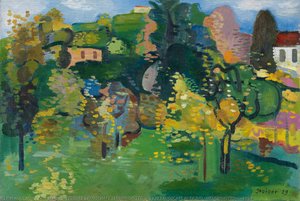
TESSINER LANDSCHAFT (MENDRISIOTTO), 1929 LANDSCAPE IN TICINO (MENDRISIOTTO) , 1929
 Read More
Hand Made Oil Reproduction
Hand-painted oil on canvas in your size and frame, made to order by our artists. ( Buy Print Buy Image)




































Pick from our preset sizes that match the artwork's original proportions.

You may enter your own dimensions to fit a specific frame or space. If your selected size does not match the original image's proportions, we will either crop the artwork or extend the painting with additional hand-painted elements. A digital mockup will be sent for your approval before production begins.
Please note that the on-screen preview does not reflect the actual cropping or extension. Only the mockup will accurately show the final composition.
While custom sizes are available, we recommend selecting a dimension from the predefined list to preserve the original proportions.
After order, ArtsDot.com team will email client for instructions and provide a mockup preview
Worldwide Delivery () in 3/4 weeks instead of standard 5 weeks. (23 August). No compromise on quality.

Free Worldwide Express Shipping

High-Quality Linen Canvas

Full Shipping Insurance

Customs Tax Refund Guarantee

True Color Matching Guarantee

60-Day Return Policy (Defects Only)

100% Money-Back Guarantee

Bulk Discount Offer
 Glass option is only available in size under 110 CM

TESSINER LANDSCHAFT (MENDRISIOTTO), 1929 LANDSCAPE IN TICINO (MENDRISIOTTO) , 1929
Reproduction Medium
Reproduction Size
-


Total Price
$ 263
Related Artworks




Artist Biography
Otto Staiger: A Swiss Painter Bridging Tradition and Modernity
Otto Staiger, born in Basel, Switzerland, in 1894, was more than simply a painter; he was a conduit between the established traditions of Swiss art and the burgeoning currents of European modernism. His life coincided with a period of profound transformation – two World Wars, economic instability, and the rise of new artistic movements – yet within this tumultuous landscape, Staiger cultivated a distinctive voice, characterized by a deep connection to his native Ticino region and an innovative approach to both painting and glasswork. His legacy lies not just in the beauty of his landscapes and portraits, but also in his role as a founding member of Gruppe 33, an artist collective that fiercely opposed fascism and championed artistic freedom.
Staiger’s early years were steeped in the cultural richness of Basel, a city renowned for its vibrant art scene. His family, rooted in mercantile traditions, provided him with a stable environment conducive to his developing artistic talents. Exposure to the Kunsthaus Basel from a young age ignited a passion for visual arts, particularly the works of Ferdinand Hodler and Albert Anker – artists who captured the essence of Swiss life with a blend of realism and emotional depth. These early influences, combined with the broader European movements gaining traction at the time—Impressionism, Post-Impressionism, and the nascent Expressionist tendencies—shaped Staiger’s artistic sensibilities, laying the groundwork for his future explorations.
The Landscape of Ticino: A Defining Subject
Staiger's most enduring contribution to art lies in his masterful depictions of the Ticino region – a picturesque area nestled between Switzerland, Italy, and France. This landscape wasn’t merely a backdrop; it became the very heart of his artistic practice. He possessed an almost obsessive fascination with its rolling hills, vineyards, olive groves, and the shimmering waters of Lake Maggiore. Unlike many of his contemporaries who sought to capture a purely objective representation, Staiger imbued his landscapes with a profound sense of atmosphere and emotion. He employed a loose, expressive brushstroke, prioritizing color and light over precise detail, creating images that felt both familiar and deeply evocative.
The influence of the *Vedute* tradition – Italian landscape paintings emphasizing atmospheric perspective – is evident in Staiger’s work, but he transcends mere imitation. He developed a unique style, characterized by a subtle use of color, a hazy quality to his scenes, and an ability to capture the fleeting moods of the Ticino sun. His paintings aren't simply representations of places; they are meditations on light, space, and the relationship between humanity and nature. Works like “Tessiner Landschaft (Mendrisiotto), 1929” exemplify this approach, offering a glimpse into a world both familiar and imbued with an almost dreamlike quality.
Gruppe 33: A Collective of Resistance
In 1927, Staiger played a pivotal role in the formation of Gruppe 33 – a collective of artists, writers, and intellectuals who emerged from Basel as a direct response to the rising tide of fascism. The group’s name itself was a defiant statement, referencing the third element of the “Big Three” European powers—Germany, Italy, and Great Britain—and rejecting their aggressive ideologies. Gruppe 33 became a haven for artists seeking to maintain artistic integrity in the face of political oppression.
Staiger’s involvement with Gruppe 33 profoundly shaped his artistic practice. The group fostered an environment of intellectual exchange and collaborative experimentation, pushing Staiger to explore new techniques and challenge conventional notions of art. They organized exhibitions that deliberately defied commercial norms, prioritizing artistic expression over market considerations. This commitment to artistic freedom cemented Staiger’s place as a key figure in the Swiss avant-garde.
Beyond Painting: Innovation in Glass
While primarily known for his paintings, Staiger also made significant contributions to the world of glass art. He began experimenting with glassblowing techniques in the 1930s, developing a distinctive style characterized by bold colors, geometric forms, and a masterful manipulation of light. His glassworks often echoed the themes found in his paintings—the landscapes of Ticino, the interplay of light and shadow, and the exploration of human emotion.
Staiger’s glass creations were not merely decorative objects; they were integral to his artistic vision. He saw glass as a medium capable of expressing complex ideas and emotions, utilizing its transparency and reflectivity to create works that challenged conventional perceptions of form and space. His innovative approach to glassblowing established him as a pioneer in the field, demonstrating the potential for cross-disciplinary collaboration between painting and sculpture.
A Lasting Legacy
Otto Staiger died in Basel in 1967, leaving behind a rich and diverse body of work that continues to resonate with audiences today. His paintings offer a poignant glimpse into the beauty and tranquility of the Ticino region, while his glass creations demonstrate an extraordinary mastery of technique and vision. Staiger’s legacy extends beyond his individual achievements; he played a crucial role in shaping the course of Swiss art history, advocating for artistic freedom and challenging conventional notions of representation. His work stands as a testament to the power of art to reflect both the beauty of the natural world and the complexities of human experience.
Quick Facts
- Artistic Movement Or Style: Painter, Glass Painter
- Artists Or Movements Influenced By This Artist: ['Gruppe 33 Basel']
- Artists Who Influenced This Artist:
- Ferdinand Hodler
- Albert Anker
- Date Of Birth: September 3, 1894
- Date Of Death: September 5, 1967
- Full Name: Otto Staiger
- Nationality: Swiss
- Notable Artworks:
- Tessiner Landschaft
- Mendrisiotto Landscape
- Place Of Birth: Basel, Switzerland