 Preview
 Send
Send Share
Share
 Details

 Download
 Similars
 X-Ray
X-Ray Diaporama
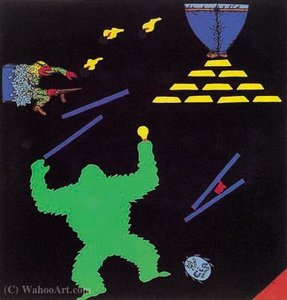
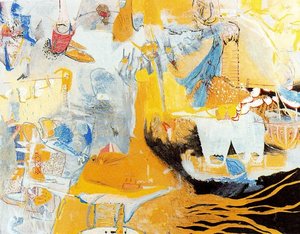
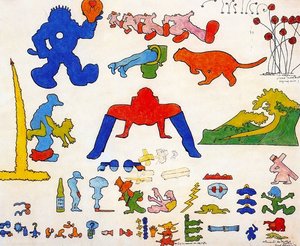
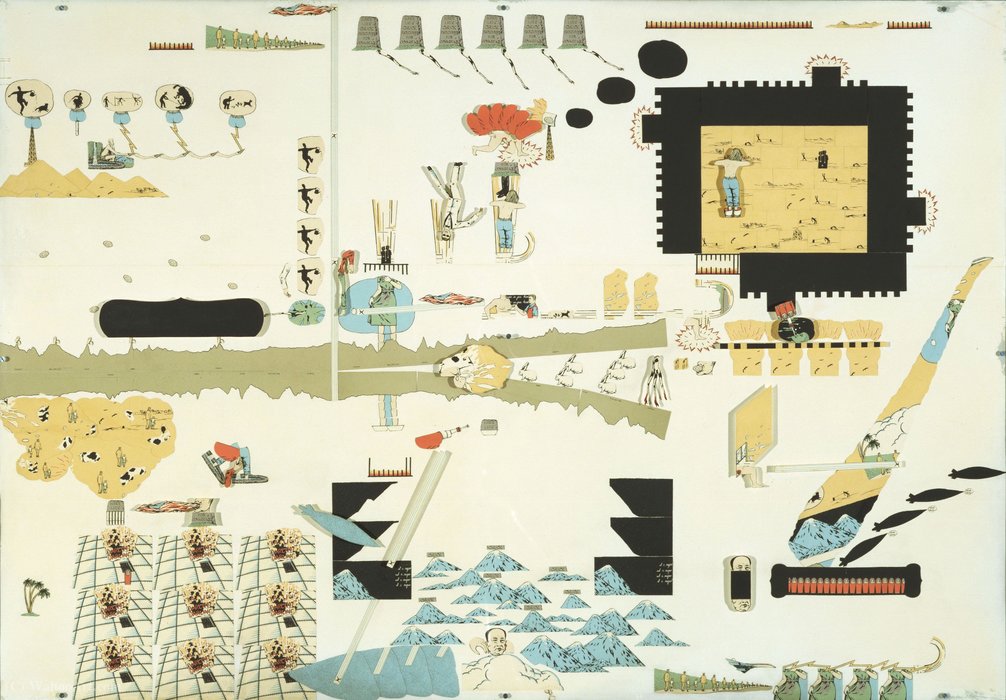
Eddie in the Desert

 Read More
Hand Made Oil Reproduction
Hand-painted oil on canvas in your size and frame, made to order by our artists. ( Buy Print Buy Image)




P118B $10

P118H $10

P118W $10

P438Z $10

P508JH $12

P508YH $12

P805H $10

P805Z $10

P919BZ $10

P919G $10

P919XJ $10

P959ZH $10

P968JZ $12

W106C $8

W218G $10

W218JH $8

W218Y $10

W307PJ $10

W316G $10

W316PJ $8

W316Y $10

W398PJ $8

W4111J $10

W500HY $15

W500JH $15

W692G $12

W849H $8

W940BG $15

W953PJ $8




Pick from our preset sizes that match the artwork's original proportions.

You may enter your own dimensions to fit a specific frame or space. If your selected size does not match the original image's proportions, we will either crop the artwork or extend the painting with additional hand-painted elements. A digital mockup will be sent for your approval before production begins.
Please note that the on-screen preview does not reflect the actual cropping or extension. Only the mockup will accurately show the final composition.
While custom sizes are available, we recommend selecting a dimension from the predefined list to preserve the original proportions.
After order, ArtsDot.com team will email client for instructions and provide a mockup preview
Worldwide Delivery () in 3/4 weeks instead of standard 5 weeks. (22 August). No compromise on quality.

Free Worldwide Express Shipping

High-Quality Linen Canvas

Full Shipping Insurance

Customs Tax Refund Guarantee

True Color Matching Guarantee

60-Day Return Policy (Defects Only)

100% Money-Back Guarantee

Bulk Discount Offer
 Glass option is only available in size under 110 CM

Eddie in the Desert
Reproduction Medium
Reproduction Size
-


Total Price
$ 263
Related Artworks


Artist Biography
Jean-Michel Basquiat: A Voice From the Streets
Born in Brooklyn, New York, in 1960 to Haitian and Puerto Rican parents, Jean-Michel Basquiat’s life was a collision of cultures and experiences that profoundly shaped his artistic vision. His early years were marked by movement – leaving home at fifteen to live in Lower Manhattan, immersing himself in the vibrant, often chaotic, world of New York City's downtown art scene. He honed his skills as a street artist, adopting the moniker “SAMO,” short for “same old, same old,” and tagging walls with cryptic statements alongside fellow graffiti artists. This period wasn’t simply about vandalism; it was an exploration of identity, social commentary, and a rejection of the established order – a foundation that would later inform his powerful paintings.
Basquiat's artistic journey began in earnest during the late 1970s and early 1980s. Initially working with Al Diaz, they created a series of collaborative pieces known as “SAMO,” incorporating poetry and social critiques onto subway cars and walls. However, their partnership dissolved abruptly in 1981, leaving Basquiat to forge his own distinct path. This pivotal moment allowed him to fully develop his unique style – a complex blend of graffiti aesthetics, Neo-Expressionist techniques, and deeply personal symbolism.
The Rise of a Star: From Subway Cars to Galleries
The turning point in Basquiat’s career arrived with the “Times Square Show” in 1980. This audacious event, organized by a group of underground artists, brought his work – primarily large-scale paintings and drawings – into the public eye for the first time. The show garnered significant attention from critics and collectors alike, catapulting Basquiat to instant fame. A key article in “The Radiant Child” published in 1981 by Rene Ricard solidified this ascent, framing Basquiat not just as an artist but as a figure representing the anxieties and contradictions of the era – a commentary on market forces, racial dynamics, and the commodification of art.
Critics recognized his work as a potent response to the culture wars raging at the time. Basquiat’s paintings directly confronted issues of racism, social injustice, and the hypocrisy inherent in an art world that simultaneously celebrated and marginalized artists from marginalized communities. He wasn't simply creating beautiful images; he was engaging in a critical dialogue with the institutions and assumptions surrounding art.
A Visual Language: Style and Symbolism
Basquiat’s artistic style is instantly recognizable, characterized by a frenetic energy and layered complexity. His paintings often combine elements of graffiti, Neo-Expressionism, and Pop Art, creating a visually arresting and intellectually stimulating experience. He frequently incorporated text – words, phrases, names, and inventories – directly onto the canvas alongside images of skulls, crowns, anatomical diagrams, maps, and African symbols. These seemingly disparate elements were interwoven to create complex narratives that explored themes of identity, power, and mortality.
His use of color was often bold and contrasting, reflecting the intensity of his subject matter. He favored a palette of black, white, red, and blue – colors associated with mourning, rebellion, and spiritual awakening. Many of his works are described as improvisational, resembling the expansive compositions of jazz music—a reflection of the spontaneous energy he sought to capture on canvas. The layers of meaning within each piece often remain open to interpretation, inviting viewers to engage in a dialogue with the artist’s intentions.
Legacy and Value: A Market Phenomenon
Basquiat's career was tragically cut short at the age of 27 when he died of a heroin overdose in 1988. Despite his brief but intense period of artistic activity, he produced approximately one thousand paintings and two thousand drawings, leaving behind a remarkably rich body of work. In recent decades, Basquiat’s art has experienced a dramatic surge in value, becoming one of the most sought-after and expensive works by any artist of his generation.
A pivotal year for his market recognition was 1982, as documented by Artsy.com, where several key paintings sold for significant sums – including an untitled skull painting that later fetched $110.5 million at Sotheby’s in 2017. This remarkable appreciation reflects not only the quality of his work but also the broader cultural significance he has achieved. His art continues to resonate with audiences today, offering a powerful commentary on race, identity, and the complexities of the modern world. Sotheby's data indicates that Basquiat’s works have consistently shown strong returns over time, cementing his place as a major force in contemporary art history.

oyvind fahlstrom
1982 - 1976 , Brazil
Quick Facts
- Artistic Movement Or Style: Neo-Expressionism
- Artists Or Movements Influenced By This Artist:
- Graffiti Art
- Jazz Music
- Artists Who Influenced This Artist:
- Andy Warhol
- Patti Smith
- Date Of Birth: 1960
- Date Of Death: 1988
- Full Name: Jean-Michel Basquiat
- Nationality: American
- Notable Artworks:
- Untitled (1982)
- Dustheads
- Echoes in the Rain
- Place Of Birth: Brooklyn, New York
Related Articles

Giclée Prints: Archival Quality & Aesthetic Nuances for the Discerning Collector
Explore the world of giclée prints with ArtsDot. Learn about archival quality, aesthetic nuances & investment potential. Expert guidance for discerning art collectors seeking museum-quality reproductions and lasting value.
Reproducing Artistry: A Guide to Oil, Canvas & Paper Reproduction Mediums
Explore the world of art reproduction! Learn about oil, canvas & paper options with our expert guide. Discover museum-quality reproductions for your home or collection.

Echoes of Time: Exploring the Enduring Appeal & Historical Context of Vintage Art Prints
Explore the captivating world of vintage art prints! Discover their history, collecting tips & enduring appeal. Expert insights on chromolithography and building a legacy collection with ArtsDot.
Acrylic Revolution: 10 Masterpieces That Redefined Modern Art | ArtsDot
Explore 10 legendary acrylic paintings that revolutionized modern art! From Helen Frankenthaler's color fields to Richter’s abstract power, discover the stories behind these iconic masterpieces. Find museum-quality reproductions & elevate your home decor on ArtsDot.com.

Beyond Replication: Sustaining Art Heritage Through Inspired Reproductions in Contemporary Interiors
Discover museum-quality art reproductions & bespoke paintings crafted by skilled artists. Elevate your home with timeless masterpieces – ethically sourced, expertly curated, and guaranteed to inspire. Explore our collection today!