 Preview
 Send
Send Share
Share
 Details

 Download
 Similars
 X-Ray
X-Ray Diaporama
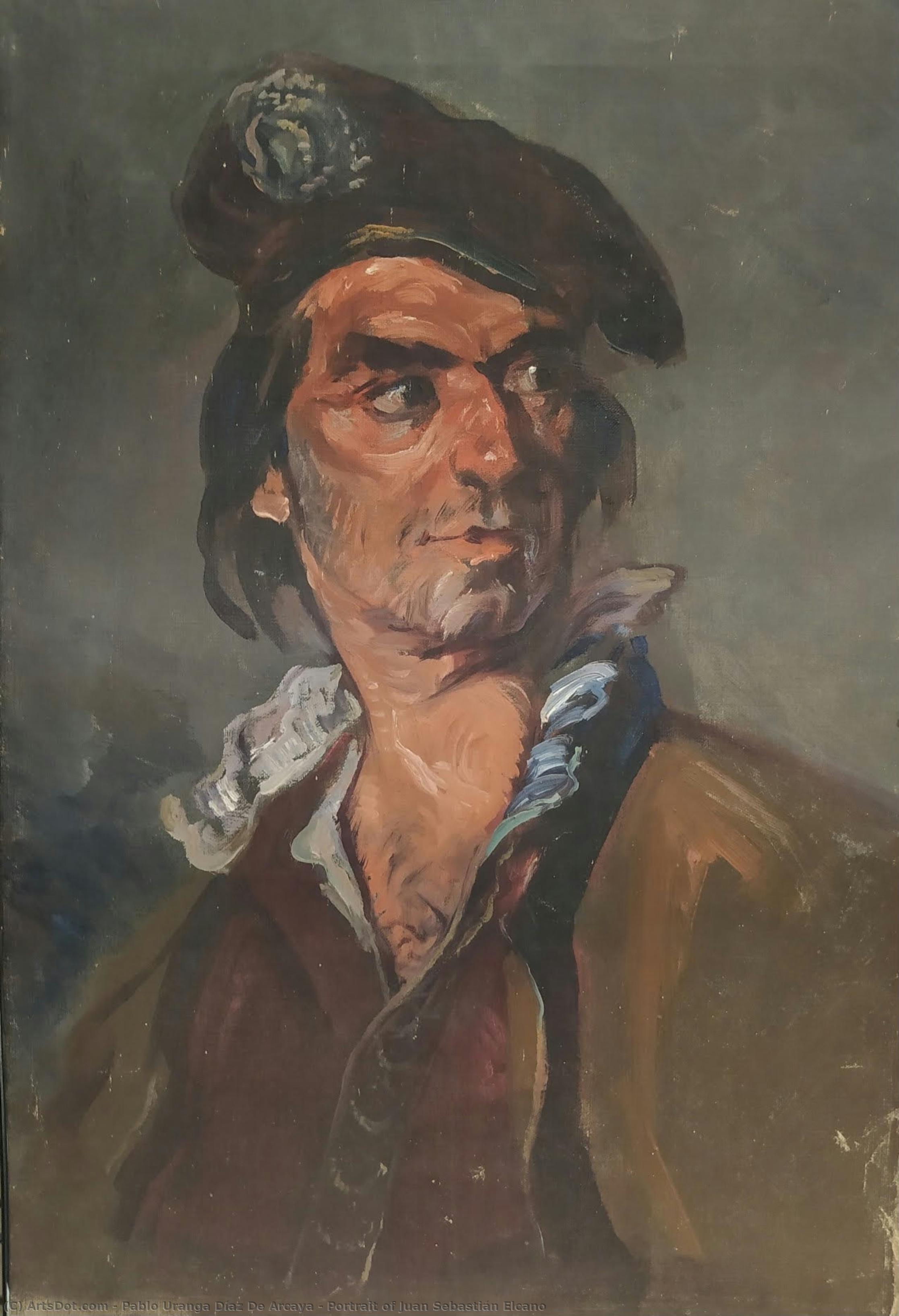
Portrait of Juan Sebastián Elcano

 Read More
Giclée / Art Print
Museum-quality giclée or canvas print with fast production and flexible finish options. ( Buy Hand Made Painting Buy Image)




































Pick from our preset sizes that match the artwork's original proportions.

You may enter your own dimensions to fit a specific frame or space. If your selected size does not match the original image's proportions, we will either crop the artwork or extend the image with a mirrored or solid-fill edge. A digital mockup will be sent for your approval before production begins.
Please note that the on-screen preview does not reflect the actual cropping or extension. Only the mockup will accurately show the final composition.
While custom sizes are available, we recommend selecting a dimension from the predefined list to preserve the original proportions.
Worldwide Delivery () in 2 weeks instead of standard 4/5 weeks. (3 September)

Free Worldwide Express Shipping

High-Quality Linen Canvas

Full Shipping Insurance

Customs Tax Refund Guarantee

True Color Matching Guarantee

60-Day Return Policy (Defects Only)

100% Money-Back Guarantee

Bulk Discount Offer
 Glass option is only available in size under 110 CM

Portrait of Juan Sebastián Elcano
Giclée / Art Print
Reproduction Size
-


Total Price
$ 63
Related Artworks





Artist Biography
Pablo Uranga: A Basque Visionary Bridging Impressionism and Tradition
Pablo Uranga Díaz de Arcaya (26 June 1861 – 7 November 1934) was a Spanish painter of Basque ancestry, renowned primarily for his evocative portraits and genre scenes that captured the spirit of late nineteenth-century Spain. More than just an artist, Uranga was a pivotal figure in establishing the Asociación de Pintores Vascos (Association of Basque Artists), cementing his legacy as a champion of regional artistic identity. His life began amidst hardship; orphaned at a young age due to the untimely deaths of both parents, he experienced a nomadic upbringing punctuated by foster homes, shaping his perspective and fostering an enduring appreciation for resilience.- Early Artistic Training: Uranga’s formal education commenced at the Escuela Superior de Bellas Artes de Álava (School of Fine Arts of Álava) at seventeen, where he honed foundational skills before relocating to Madrid to pursue advanced studies at the Real Academia de Bellas Artes de San Fernando. This institution provided him with invaluable exposure to artistic discourse and established connections that would prove crucial throughout his career.
- The Museo del Prado Influence: Uranga’s formative years were deeply impacted by frequent visits to the Museo Nacional del Prado, immersing himself in the masterpieces of the Old Masters—particularly Rembrandt and Rubens. This sustained engagement instilled a profound understanding of classical artistic principles and informed his stylistic choices for decades.
Impressionistic Explorations Amidst Basque Roots
Uranga’s artistic journey unfolded against the backdrop of Parisian Impressionism, yet he steadfastly maintained ties to Basque traditions. Influenced by fellow sculptor Paco Durrio, he embarked on a transformative trip to Paris in 1897, where he mingled with contemporaries like Ignacio Zuloaga and Santiago Rusiñol—artists who wrestled with similar questions about stylistic innovation while honoring cultural heritage. While embracing Impressionistic techniques – capturing fleeting moments of light and color – Uranga’s canvases retained the solidity and expressive power characteristic of Spanish Romanticism. His palette favored muted hues, reflecting the melancholic beauty of the Basque landscape.Collaboration and Mural Projects
A significant chapter in Uranga's artistic life involved a fruitful partnership with fellow artist Ignacio Zuloaga at Segovia’s Estudio Zuloaga, where he shared a studio with his uncle, Daniel Zuloaga—a celebrated ceramicist. This collaborative endeavor culminated in the ambitious mural project for the Casino Bermeo in Marbella, tragically destroyed by a devastating flood in 1983. The scale and ambition of this undertaking underscored Uranga’s commitment to public art and demonstrated his ability to synthesize diverse artistic visions.Later Years and Legacy
From 1924 to 1925, Uranga undertook a journey to the United States and Cuba, presenting his work before discerning audiences. During these formative years, he focused primarily on portraiture—a genre that allowed him to explore human psychology with remarkable sensitivity. Notably, he created a posthumous portrait of Karl Marx commemorating the fiftieth anniversary of his death, reflecting Uranga’s intellectual curiosity and engagement with social commentary. Pablo Uranga Díaz de Arcaya passed away in San Sebastián at the age of 73, leaving behind an enduring artistic legacy—one characterized by unwavering dedication to Basque identity, masterful execution of Impressionistic principles, and a profound understanding of the human condition.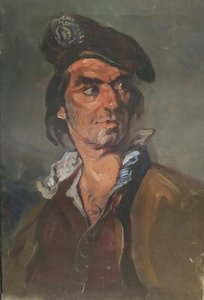
pablo uranga díaz de arcaya
1861 - 1934 , Spain
Quick Facts
- Artistic Movement Or Style: Impressionism
- Artists Or Movements Influenced By This Artist: ['Classical Spanish styles']
- Artists Who Influenced This Artist: ['Paco Durrio']
- Date Of Birth: June 26, 1861
- Date Of Death: November 7, 1934
- Full Name: Pablo Uranga Díaz de Arcaya
- Nationality: Spanish
- Notable Artworks: ['Portrait of Juan Sebastián Elcano']
- Place Of Birth: Vitoria, Spain