 Preview
 Send
Send Share
Share
 Details

 Download
 Similars
 X-Ray
X-Ray Diaporama
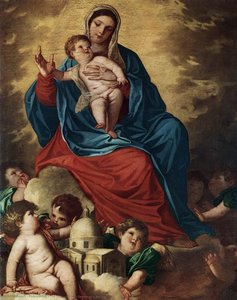
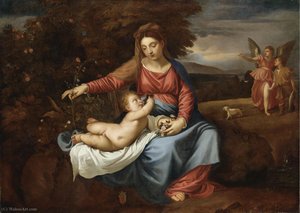
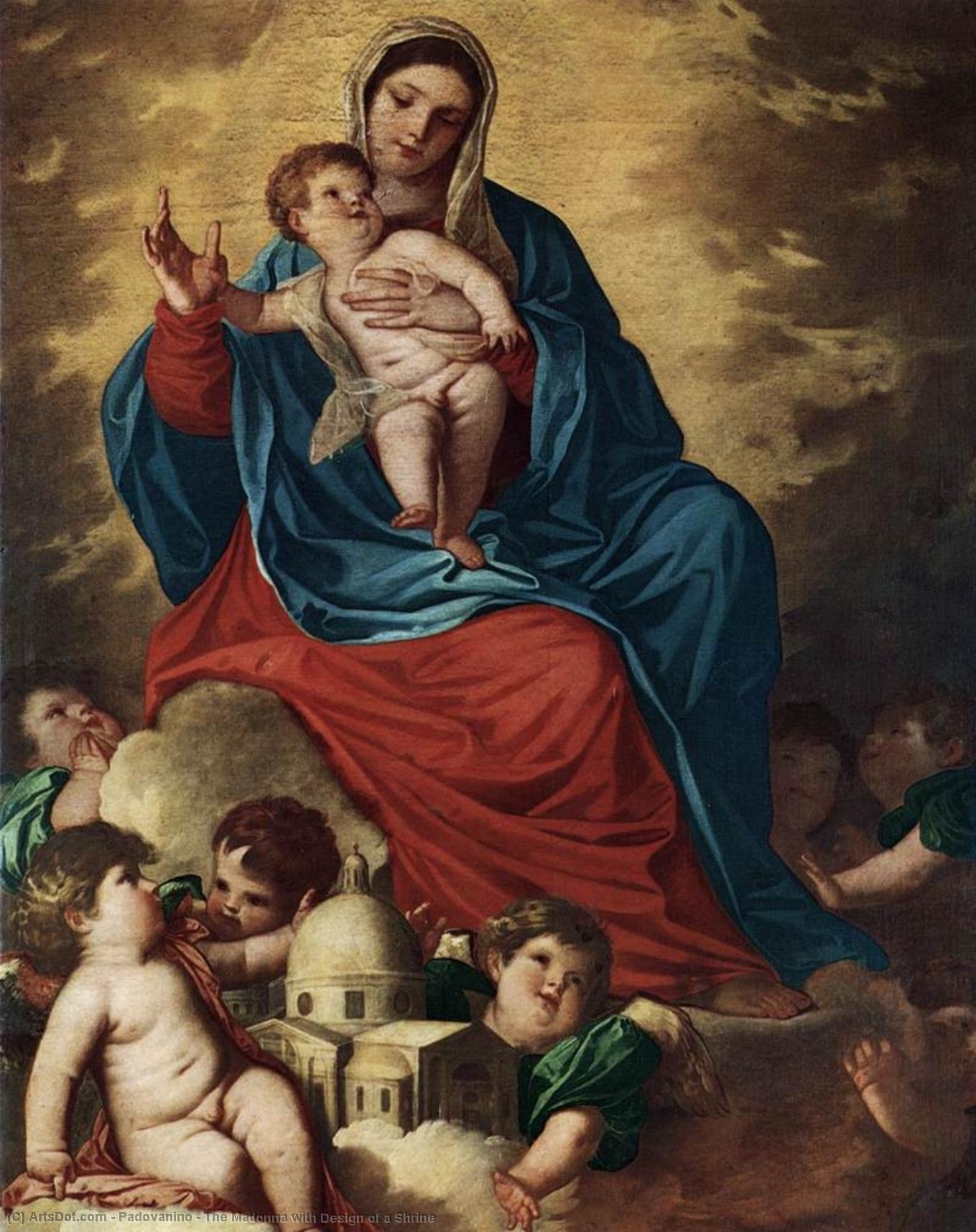
The Madonna with Design of a Shrine


 Read More
Hand Made Oil Reproduction
Hand-painted oil on canvas in your size and frame, made to order by our artists. ( Buy Print Buy Image)




P118B $10

P118H $10

P118W $10

P438Z $10

P508JH $12

P508YH $12

P805H $10

P805Z $10

P919BZ $10

P919G $10

P919XJ $10

P959ZH $10

P968JZ $12

W106C $8

W218G $10

W218JH $8

W218Y $10

W307PJ $10

W316G $10

W316PJ $8

W316Y $10

W398PJ $8

W4111J $10

W500HY $15

W500JH $15

W692G $12

W849H $8

W940BG $15

W953PJ $8




Pick from our preset sizes that match the artwork's original proportions.

You may enter your own dimensions to fit a specific frame or space. If your selected size does not match the original image's proportions, we will either crop the artwork or extend the painting with additional hand-painted elements. A digital mockup will be sent for your approval before production begins.
Please note that the on-screen preview does not reflect the actual cropping or extension. Only the mockup will accurately show the final composition.
While custom sizes are available, we recommend selecting a dimension from the predefined list to preserve the original proportions.
After order, ArtsDot.com team will email client for instructions and provide a mockup preview
Worldwide Delivery () in 3/4 weeks instead of standard 5 weeks. (17 August). No compromise on quality.

Free Worldwide Express Shipping

High-Quality Linen Canvas

Full Shipping Insurance

Customs Tax Refund Guarantee

True Color Matching Guarantee

60-Day Return Policy (Defects Only)

100% Money-Back Guarantee

Bulk Discount Offer
 Glass option is only available in size under 110 CM

The Madonna with Design of a Shrine
Reproduction Medium
Reproduction Size
-


Total Price
$ 263
Artwork Description
The Madonna with Design of a Shrine – A Venetian Masterpiece
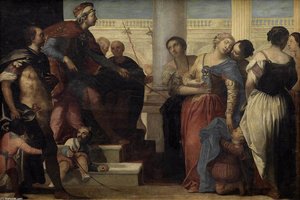
Padovanino’s “The Madonna with Design of a Shrine,” painted in 1630, is more than just a devotional image; it's a carefully constructed narrative brimming with religious symbolism and reflecting the evolving artistic landscape of Venice during its Golden Age. This painting offers a glimpse into the heart of Venetian piety while simultaneously showcasing Padovanino’s mastery of technique and his deep admiration for the legacy of Titian, whose influence permeates every brushstroke.
The scene unfolds within a richly detailed interior, likely representing a chapel or sanctuary. The Virgin Mary, rendered with an almost palpable serenity, holds the infant Jesus in a tender embrace. He is nursing, a gesture that immediately establishes a profound connection between mother and child – a central theme of Christian iconography. Around them, a small gathering of figures—an attendant, perhaps a scribe, and two angels—adds to the sense of intimacy and reverence. The architectural backdrop, dominated by a soaring dome reminiscent of St. Mark’s Basilica, anchors the scene within the grandeur of Venetian civic life and its powerful association with the Catholic Church.
A Symphony of Color and Light – Padovanino's Technique
Padovanino’s skill lies not just in his ability to depict figures realistically but also in his masterful manipulation of color and light. He employs a technique known as “sfumato,” borrowed from Leonardo da Vinci, creating soft transitions between tones and blurring the outlines of forms. This lends an ethereal quality to the scene, softening the edges of the figures and bathing them in a warm, diffused glow. The use of deep reds and blues – particularly in Mary’s robes – draws the eye immediately to her figure, emphasizing her importance within the composition. Notice also the subtle variations in light across the surfaces; this creates a sense of depth and volume, bringing the scene to life with remarkable immediacy.
The artist's meticulous attention to detail is evident throughout. The folds of Mary’s garments are rendered with exquisite precision, while the delicate features of the infant Jesus convey an innocence and vulnerability that resonate deeply with viewers. Even the architectural elements—the columns, arches, and decorative moldings—are painted with a remarkable level of realism, demonstrating Padovanino's deep understanding of Venetian architecture.
Symbolism and Context – A Window into 17th-Century Venice
“The Madonna with Design of a Shrine” is steeped in religious symbolism. The nursing pose itself is laden with meaning, representing the Eucharist—the body and blood of Christ offered to believers. The presence of the scribe suggests the importance of written scripture and the role of the Church in preserving knowledge. The dome, a prominent feature of Venetian architecture, symbolizes heaven and God’s divine power. Furthermore, the “design of a shrine” alluded to in the title hints at the burgeoning interest in architectural innovation within the Catholic Church during this period – a desire to create spaces that were both aesthetically pleasing and spiritually uplifting.
Painted in 1630, the work reflects Venice’s position as a major artistic center. Following the Sack of Rome in 1527, many artists fled to Venetian Republic seeking patronage and stability. This influx of talent contributed significantly to the city's flourishing artistic scene. Padovanino, who spent time in Rome honing his skills, brought this renewed energy back to Venice, contributing to the transition from Mannerism to Early Baroque.
A Timeless Appeal – Reproduction and Beyond
Reproductions of “The Madonna with Design of a Shrine” offer an exceptional opportunity to bring the beauty and serenity of Padovanino’s masterpiece into any setting. Whether adorning a private chapel, a corporate office, or a cherished home, this painting's evocative imagery and masterful technique will undoubtedly captivate viewers. The work’s enduring appeal lies in its ability to transcend time, offering a timeless meditation on faith, family, and the divine—a testament to Padovanino’s artistic genius and the rich cultural heritage of Venice.
Related Artworks
Artist Biography
Alessandro Varotari (Padovanino) – Life & Legacy
Early Life and Training
- Born: Padua, Italy in 1588.
- Family Background: Padovanino was born into a family of artists. His father, Dario Varotari the Elder, was a local painter and architect who provided his initial training.
- Early influences included the style of Titian, which would remain central to his artistic approach throughout his career.
Career Development & Artistic Style
- Padovanino moved to Venice in 1614 and quickly established himself as a skilled painter.
- Artistic Period: He worked during the transition between Late Mannerism and Early Baroque, blending elements of both styles.
- He traveled to Rome twice (mid-1610s & 1625), gaining recognition for his ability to create high-quality copies of works by Renaissance masters.
- Key Characteristics: His paintings are known for their narrative strength, sensuality, and faithful adherence to the Titianesque tradition. He excelled in depicting mythological and historical scenes.
Major Works & Commissions
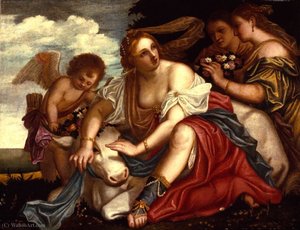
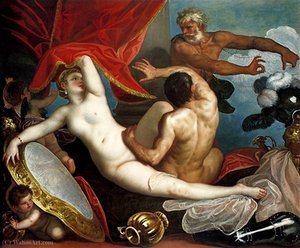
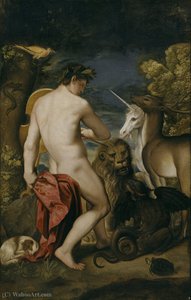
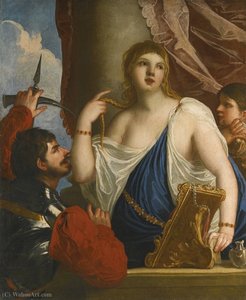
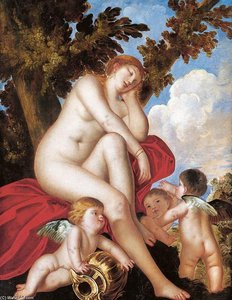
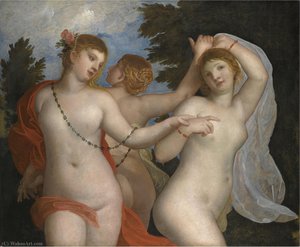
- Notable Paintings: Included “Samson and Delilah”, “Orpheus Enchanting the Animals”, “Sleeping Venus with Putti”, “The Three Graces” and “Semiramis called to arms”.
- He contributed mosaics to the Basilica of San Marco in Venice (1619).
- He also undertook decorative projects for the Church of Santa Maria Maggiore.
- “The Victory of the Carnuti over the Normans”: A significant large-scale battle scene demonstrating his skill in composition and dramatic storytelling.
Influence & Legacy
- Mentorship: Padovanino was a respected teacher, mentoring several prominent Venetian painters including Pietro Liberi, Bartolomeo Scaliger, Pietro della Vecchia, and Giulio Carpioni.
- His sister, Chiara Varotari, was also a well-known portraitist, further cementing the family’s artistic reputation.
- Caterina Tarabotti: A notable female intellectual of the time, was among his students.
- Although celebrated for his copying skills, Padovanino's original compositions and influence on subsequent generations secure his place in art history.
Historical Significance
- Bridging Styles: He represents a crucial link between the Mannerist and Baroque periods, adapting earlier traditions to evolving artistic tastes.
- His work reflects the vibrant cultural climate of 17th-century Venice, a major center for art and commerce.
- Preservation of Tradition: His dedication to Titian’s style helped preserve and disseminate the legacy of one of Italy's greatest masters.
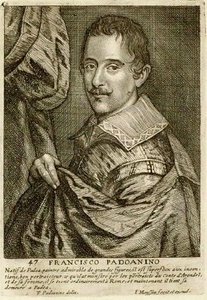
Padovanino
1588 - 1649 , Italy
Quick Facts
- Birth Date: 1588
- Birth Place: Padua, Italy
- Death Date: 1649
- Influenced:
- Pietro Liberi
- Giulio Carpioni
- Bartolomeo Scaliger
- Dario Varotari the Younger
- Influenced By: Titian
- Movement:
- Late-Mannerism
- Early Baroque
- Name: Padovanino (Alessandro Varotari)
- Nationality: Italian
- Notable Works:
- Samson and Delilah
- Orpheus Enchanting the Animals
- Sleeping Venus with Putti
- The Three Graces
Related Articles

The Dramatic Flourish: Exploring the Baroque Movement's Enduring Legacy in Art History
Explore the dramatic world of Baroque art! Discover iconic artists like Caravaggio & Rubens, defining techniques, and its lasting impact on art history. Expert insights for collectors & enthusiasts at ArtsDot.
Raphael's Masterpieces: 25 Iconic Paintings & Renaissance Art for Your Home
Explore 25 breathtaking Raphael paintings! Journey through the Italian Renaissance with masterpieces like 'School of Athens' & iconic Madonnas. Find museum-quality art reproductions and elevate your home decor on ArtsDot.com.

The Visceral Stage: Exploring Dramatic Narratives & Emotional Intensity in Baroque Art
Explore the dramatic world of Baroque art! Discover iconic masters like Caravaggio & Rembrandt, their techniques, and the movement's lasting impact. Expert insights for collectors & enthusiasts at ArtsDot.

Baroque Drama: Bringing Opulence & Emotion into Contemporary Interiors
Explore the opulent world of Baroque interior design! Discover key elements, modern applications & how to bring dramatic elegance into your home with 's authentic reproductions.

Baroque Masterpieces: 10 Paintings That Defined an Era |
Journey through the drama & grandeur of Baroque art! Explore 10 masterpieces by Caravaggio, Rembrandt, Rubens & more. Discover stunning oil paintings, rich colors & timeless stories. Find museum-quality reproductions at .